

In a landmark move to fortify public health infrastructure, the West African Health Organisation (WAHO), in collaboration with the Coalition Against Lassa Fever and the Ministry of Health and Sanitation (MoHS), has convened a three-day intensive capacity-building workshop in Freetown.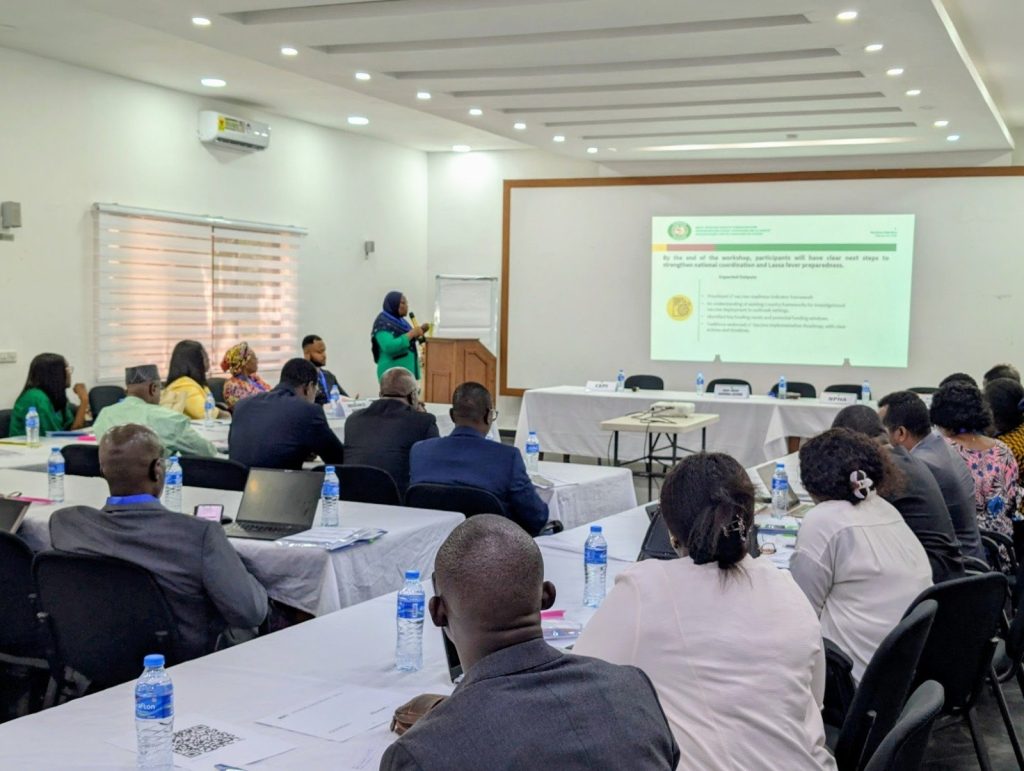
Running from February 24 to 26, 2026, the summit marks a proactive shift in the regional fight against the viral hemorrhagic fever, focusing on a structured, evidence-based approach to vaccine preparedness and multi-sectoral coordination.
A Shield for Frontline Workers and Mothers
The workshop opened with a strong emphasis on the human cost of the virus. Addressing the delegation, Dr. Alie Wurie, Deputy Chief Medical Officer for Public Health, reaffirmed the government’s unwavering commitment to the national working group.
“The future introduction of a vaccine is vital to protect our frontline health workers and to drastically reduce the high maternal mortality rates so tragically associated with this virus,” Dr. Wurie stated.
This institutional support was echoed by Mr. Andrew L. Sorie, Senior Permanent Secretary of the MoHS, who signaled that the transition from reactive treatment to proactive vaccination is a top national priority.
Strategic Readiness and Regional Solidarity
As the virus knows no borders, the workshop highlighted the necessity of a united West African front. Ambassador John Azumah, ECOWAS Representative in Sierra Leone, noted that the high rate of cross-border mobility requires a response that integrates civil society, agriculture, and environmental sectors.
Dr. Mohammed Vandi of the National Public Health Agency further explained that being vaccine-ready would alleviate the current strain on epidemiological surveillance and diagnostic systems. Meanwhile, Dr. Salif Gnoumou, representing the Director General of WAHO, urged that the time to build regulatory and deployment infrastructure is now, rather than waiting for the vaccines to roll off the assembly line.
Global Partnerships and Clinical Support
International partners have pledged significant resources to ensure Sierra Leone does not walk this path alone. Mr. Chimezie Anueyiagu, representing the Coalition for Epidemic Preparedness Innovations (CEPI), lauded the country’s leadership. He reiterated CEPI’s commitment to supporting clinical studies and evidence generation to ensure that once a vaccine is ready, access will be both rapid and equitable.
The Roadmap to 2026 and Beyond
The three-day workshop is designed to produce tangible results rather than just dialogue. The primary objectives include:
-
Prioritizing vaccine readiness indicators specifically tailored for Sierra Leone.
-
Assessing existing frameworks for deploying investigational vaccines during epidemic outbreaks.
-
Identifying funding needs and mobilizing resources to support a national action plan.
-
Validating a clear roadmap with strict timelines for the national working group.
By transforming these high-level commitments into an operational action plan, Sierra Leone is positioning itself as a regional pioneer in the fight against Lassa Fever, setting a blueprint for neighboring nations to follow.
Share this


