
The Nigerian Meteorological Agency (NiMet) and the United Kingdom Met Office have convened a five-day Climate and Health Learning Lab in Abuja to strengthen Nigeria’s national Health Early Warning System (HEWS) and improve the use of climate information in protecting public health.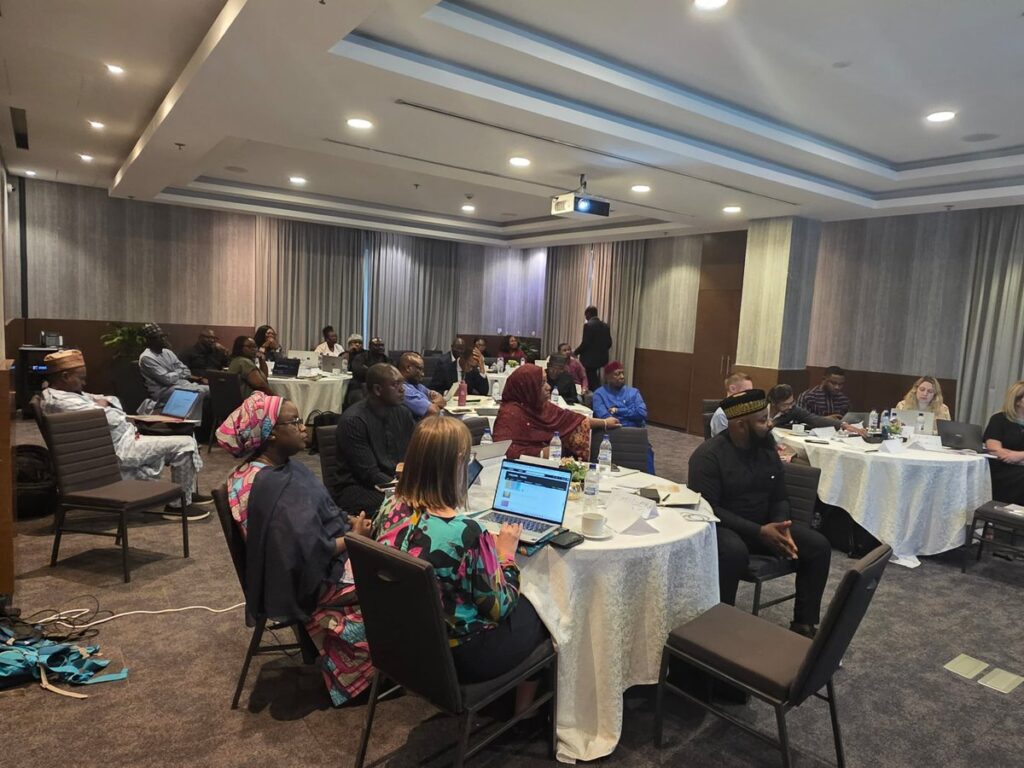
The Learning Lab, organised under the Weather and Climate Information Services (WISER) programme, is holding from November 23 to 27, 2026, at the ENVOY Hotel, Abuja.
The opening session brought together representatives of NiMet, the Federal Ministry of Health and Social Welfare, the UK Met Office, the Foreign, Commonwealth and Development Office (FCDO), and other government agencies.
Opening remarks on behalf of NiMet’s Director-General and Chief Executive Officer, Prof. Charles Anosike, were delivered by the Director of Applied Meteorological Services, Mrs Glory Onyegbule.
Climate Change Increasingly Threatens Public Health
In his remarks, Anosike highlighted the growing impact of climate change and variability on public health, pointing to rising temperatures, heat stress, changing rainfall patterns, flooding and the increasing risks of climate-sensitive diseases.
He emphasised the need for stronger collaboration among meteorological, health, water resources and emergency management institutions to address the growing threats.
According to him, the success of the Learning Lab should be measured through practical outcomes, institutional commitments and actionable recommendations that can support the development of a functional national Health Early Warning System.
He also acknowledged the UK Met Office’s technical support through the WISER programme and encouraged participants to contribute towards building a sustainable and effective system for Nigeria.
Agencies Examine Framework for National Early Warning System
Discussions at the Learning Lab focused on how Nigeria can establish an institutionalised national health early warning system, with emphasis on clearer institutional responsibilities, improved coordination mechanisms and a shared understanding of climate-related health risks.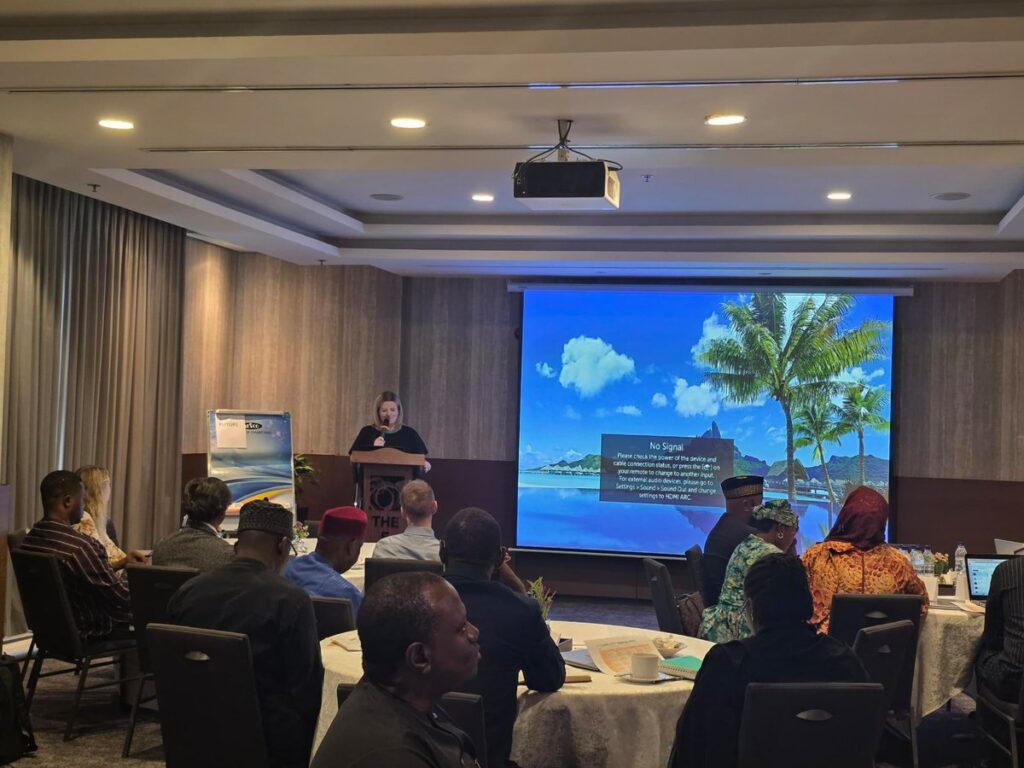
Participants also examined how existing systems and data platforms could be better utilised to support early warnings and inform public health responses.
The programme highlighted the importance of evidence-based recommendations and policy measures to secure sustained government commitment to the initiative.
Presentations covered the mandates and responsibilities of key government institutions, including NiMet, the National Emergency Management Agency (NEMA), National Orientation Agency (NOA), Nigeria Centre for Disease Control and Prevention (NCDC), Nigerian Hydrological Services Agency (NIHSA), National Bureau of Statistics (NBS), National Council on Climate Change (NCCC) and the Federal Ministry of Health and Social Welfare.
NiMet’s mandate was presented by Oyegade Adeleke, Deputy General Manager and Chief Superintendent (DGM/CS).
UK Met Office Introduces ACTION FIRST Approach
A major highlight of the session was the UK Met Office’s presentation of its ACTION FIRST approach, which encourages a shift from simply asking what the weather will do to identifying what actions can be taken to protect lives and livelihoods.
The approach is structured around four stages: setup, preparation, warning and review, providing a framework for translating weather and climate information into practical decisions.
Participants also engaged in interactive discussions, sharing experiences and seeking clarification on issues relating to climate and health, disaster management, agriculture and other related areas.
Representatives of the participating agencies responded to questions based on their respective institutional mandates.
Participants Identify Gaps in Climate-Health Coordination
The session’s wrap-up identified several areas requiring further attention, including the integration of indigenous knowledge into risk education, addressing institutional and technical gaps, developing sustainable financing mechanisms and strengthening coordination among ministries, departments and agencies (MDAs).
Participants also underscored the importance of stronger partnerships in building a system capable of translating climate information into timely health warnings and effective responses.
The five-day Learning Lab is expected to support ongoing efforts to strengthen collaboration between Nigeria’s meteorological and health institutions and improve preparedness for the public health consequences of climate-related hazards.
Share this