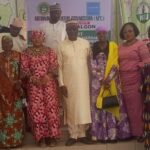
Nigeria’s comprehensive healthcare overhaul has yielded historic milestones, pushing the nation’s health system ranking to fourth in Africa while expanding health insurance coverage to 22 million citizens. Driven by the Nigeria Health Sector Renewal Investment Initiative (NHSRII), the country now trails only South Africa, Tunisia, and Kenya in continental health system standings.
The rapid progress was unveiled following the 15th Expanded Ministerial Oversight Committee meeting on the Basic Healthcare Provision Fund (BHCPF) in Abuja. Over the last three years, health insurance enrollment surged from 16 million to 22 million, marking a massive leap toward universal coverage under President Bola Ahmed Tinubu’s administration.
Historic Funding Boosts Primary Healthcare
A dramatic shift in funding velocity has underpinned these systemic improvements. Out of the ₦339 billion disbursed through the BHCPF over its entire 12-year history, a staggering ₦235 billion nearly 70 percent has been released in just the last three years.
This concentrated capital injection has transformed the foundational layers of Nigerian healthcare. The funds have provided direct facility financing to more than 8,000 Primary Healthcare Centres (PHCs), expanded national emergency medical services, and drastically improved localized disease surveillance.
Measurable Progress in Maternal and Child Health
The financial investments are translating into saved lives across the country. Preliminary findings from the 2026 Mini Demographic and Health Survey (Mini-DHS) indicate substantial upward trajectories in crucial population metrics, including antenatal care, skilled birth attendance, and childhood immunisation rates.
The expansion of the health safety net has directly supported vulnerable demographics. To date, more than 48,000 women have received free comprehensive emergency obstetric care, while revitalized emergency services have delivered life-saving medical interventions to over 130,000 Nigerians.
The Coordinating Minister of Health and Social Welfare, Prof. Muhammad Ali Pate, emphasized that these numbers reflect a structural shift rather than temporary relief.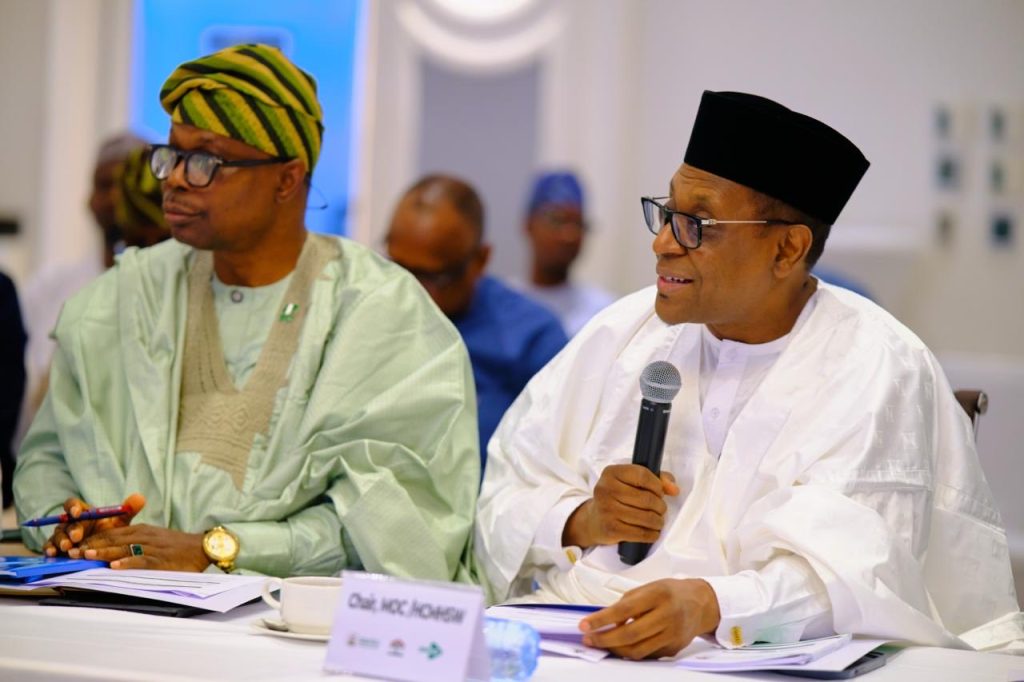
“Nigeria’s ongoing health sector reforms under the leadership of President Bola Ahmed Tinubu, GCFR, are delivering measurable gains. The Federal Government remains deeply committed to sustaining this momentum through strategic investments, stronger accountability, and deeper collaboration with states and development partners to expand access to quality, affordable healthcare for every Nigerian.”
Strengthening National Biosecurity and Local Accountability
In a proactive move to safeguard public health, the federal government also confirmed the approval of BHCPF-supported preparedness funding for all 36 states and the Federal Capital Territory (FCT). This specialized funding is designed to strengthen localized defenses against the Ebola Virus Disease (EVD), working in lockstep with the Presidential Task Force on Ebola Preparedness to intercept emerging biological threats.
However, federal authorities stress that long-term success relies heavily on regional cooperation. Health leaders have called upon state and local governments to steadfastly fulfill their counterpart funding obligations under the BHCPF framework and aggressively ramp up recruitment to solve staffing shortages at grassroots primary healthcare centers.
Moving forward, the government intends to anchor future progress on its flagship Sector-Wide Approach (SWAp). By enforcing the governing principles of “One Plan, One Budget, One Conversation,” Nigeria aims to consolidate these historic gains and systematically eliminate the financial and logistical barriers blocking citizens from high-quality medical care.
Share this