By Michael Omotosho |
A looming El Niño crisis could expose Nigeria to a growing public health emergency, with new research projecting 31,400 additional heat-related deaths in the country between September 2026 and February 2027 if temperatures rise as forecast.
The projection, published in a report titled 451,000 at Risk: Where Action Can Save Lives During the Super El Niño, places Nigeria among the countries expected to suffer the heaviest human losses from extreme heat in the coming months.
The report, authored by Michael Greenstone, Tamma Carleton, Genevieve Maricle and Emily Grover-Kopec, estimates that countries across the Sahel could record an additional 66,800 heat-related deaths over the six months, with Nigeria accounting for nearly half of the projected increase.
The findings raise concerns about Nigeria’s preparedness for prolonged heat, particularly its implications for public health, access to water, agricultural livelihoods and the ability of vulnerable communities to cope with increasingly severe weather conditions.
The figures are projections, not confirmed deaths. However, they provide a warning that the consequences of extreme heat could become more severe if governments fail to translate climate forecasts into timely protective measures.
El Niño Intensifies Global Heat Concerns
The World Meteorological Organization (WMO) warned on October 21 that the developing El Niño could be unprecedented in strength, with consequences expected to continue beyond its anticipated peak towards the end of 2026.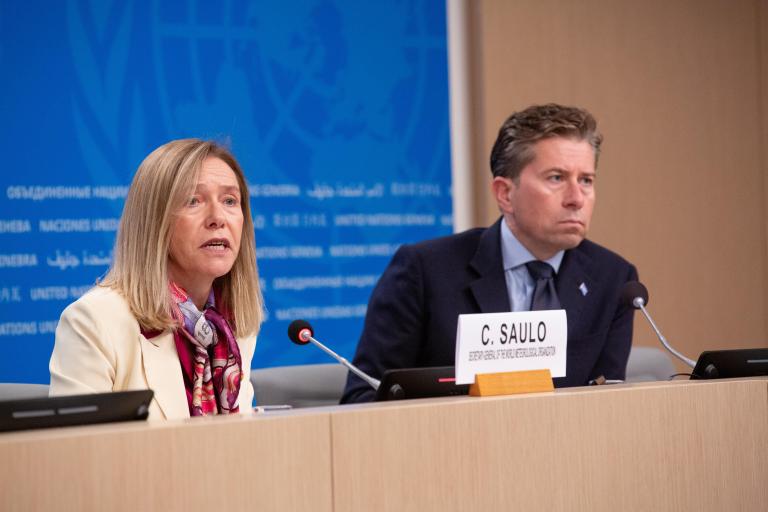
In a statement issued during a press conference on the latest seasonal climate outlook, WMO Secretary-General Celeste Saulo said: “The World Meteorological Organization is today releasing a new seasonal climate outlook which indicates that the current El Niño event could be unprecedented in strength – literally off the monitoring charts that we have used for the past four decades.”
The organisation forecasts that sea surface temperatures in the tropical Pacific could rise to 3.8°C above average between November 2026 and January 2027.
El Niño is a naturally occurring climate phenomenon involving warmer-than-average sea surface temperatures in the central and eastern tropical Pacific. It changes atmospheric circulation and influences rainfall and temperature patterns across different parts of the world.
Its effects are not uniform. Some regions experience drought and higher temperatures, while others face increased rainfall and flooding. For Nigeria, the scale and location of the potential impacts will depend on regional weather patterns and updated national forecasts.
The WMO has cautioned that seasonal outlooks indicate broad climatic tendencies rather than predicting individual weather events. This makes country-specific forecasting and early preparation essential.
Why Nigeria Is Particularly Exposed
Nigeria’s position in the Sahel region, where extreme heat is a persistent climate hazard, makes the latest projections particularly concerning.
The research estimates that Nigeria could experience 15,400 additional heat-related deaths between December 2026 and February 2027 alone compared with an average year. This suggests that the risk could remain substantial towards the end of the forecast period, giving authorities a limited but important window to prepare.
The consequences of extreme heat extend beyond discomfort. Prolonged exposure can cause dehydration and heat exhaustion, aggravate existing health conditions and place additional pressure on health facilities, particularly when people lack access to adequate water, cooling and timely medical care.
Outdoor workers, including farmers, construction workers, street traders and transport operators, may face particular difficulties because their livelihoods often require them to remain exposed to high temperatures.
Children, older people and people with underlying health conditions are also among those who can face heightened health risks during periods of extreme heat.
Nigeria’s existing climate vulnerabilities add another layer to the concern. The Federal Government’s climate-change policy identifies the country’s natural resources, infrastructure, human capital and economy as vulnerable to climate-related pressures, including heatwaves, droughts and floods.
The challenge, therefore, is not simply whether temperatures will rise, but whether public services, workplaces and communities are sufficiently prepared to protect people when extreme conditions occur.
Heat Risk Is Already a Public Health Concern
The projected El Niño impacts come against a backdrop of growing concern about the effects of heat on Nigerians.
The 2025 Nigeria policy priorities published by the Lancet Countdown on Health and Climate Change reported that people in Nigeria were exposed to an average of 33.2 heatwave days in 2024. It estimated that 28.4 of those days would not have been expected without climate change.
The figures highlight how climate change can intensify existing heat risks, even as El Niño adds another source of pressure to the climate system.
Research on heat vulnerability in Lagos has also highlighted the importance of housing conditions, access to basic services and the ability of households to adapt. A recent National Institute for Social and Economic Research (NISER) policy brief found widespread heat exposure in the study locations it assessed, alongside significant thermal vulnerability in households.
These findings matter because the effects of extreme heat are not experienced equally. People living in poorly ventilated homes, working outdoors or struggling to afford reliable electricity and cooling may have fewer options for protecting themselves.
For low-income households, avoiding the hottest parts of the day may also mean losing working hours and income. The effects can therefore extend from public health into household finances and food security.
Agriculture, Water Supply and Livelihoods at Risk
Beyond its direct effects on health, extreme heat can place additional pressure on agriculture and water resources.
Farmers depend on suitable temperatures, reliable rainfall and adequate soil moisture for crop production. Disruptions to these conditions can affect planting decisions, crop yields and household incomes, particularly in communities already dealing with high production costs and unpredictable weather.
Higher temperatures can also increase water demand as households, farms and businesses require more water for daily activities. Where supplies are unreliable, the pressure can deepen existing inequalities and make it harder for vulnerable communities to cope.
However, extreme heat should not automatically be interpreted as a prediction of drought across Nigeria. El Niño’s influence on rainfall varies by location, and national and regional forecasts are needed to determine where water shortages, dry spells or excessive rainfall are most likely.
The Nigerian Meteorological Agency (NiMet) already provides seasonal climate predictions covering rainfall, temperature, dry spells and other climate-sensitive variables relevant to agriculture, water resources and public health.
Its forecasts can help guide decisions on planting, water management and disaster preparedness. The critical issue is ensuring that the information reaches state governments, local authorities, farmers, health workers and communities in a form they can use.
What Nigeria Needs to Do Before the Heat Peaks
The Climate Impact Lab’s report argues that the projected deaths are not inevitable and that targeted interventions could save lives if implemented before the worst conditions arrive.
Among the measures identified are heat warnings, health outreach to vulnerable populations, cooling centres, hydration stations, protections for outdoor workers and expanded health-system capacity.
For Nigeria, these measures would need to be adapted to local realities.
NiMet’s forecasts should be linked more closely to public health alerts, allowing authorities to communicate heat risks early and identify locations where additional support may be needed. Health facilities should be prepared to recognise and treat heat-related illnesses, while public awareness campaigns should explain the symptoms of heat exhaustion, the importance of hydration and when to seek medical attention.
State and local governments could also identify public facilities that can provide temporary relief during dangerous heat, particularly for older people, people with disabilities and residents of densely populated communities with limited access to cooling.
Workplace protections are equally important. Employers and relevant authorities should consider access to drinking water, shaded rest areas and adjustments to working hours during periods of dangerous heat, particularly for people working outdoors.
In agriculture, timely weather information, appropriate planting advice and improved water-management practices could help farmers make better decisions as conditions change.
These interventions require coordination between meteorological agencies, health authorities, emergency management institutions, environmental agencies and local governments. They also require funding, clear responsibilities and public communication in languages communities understand.
Preparedness Could Determine the Human Cost
Nigeria does not have to wait for the projected deaths to materialise before responding.
In her October 21 statement, Saulo said“But a powerful El Niño does not have to be a recipe for humanitarian disaster. We have the science, the forecasts and the early warning systems to save lives and protect livelihoods.”
“The window for preparedness is still open in many regions. Extreme weather conditions do not need to translate into humanitarian emergencies or into casualties. But this window will not remain open indefinitely,” she added.
The WMO is working with the United Nations Office for the Coordination of Humanitarian Affairs and other partners to translate climate forecasts into practical decisions and has called for urgent, coordinated anticipatory action.
For Nigeria, that means treating the projected heat-related deaths as an early warning that demands a coordinated response, rather than a distant international forecast.
The country already has meteorological forecasting capacity and a national climate and health adaptation framework. The immediate task is to connect those tools to practical protection for people most exposed to heat.
The projection of 31,400 additional heat-related deaths remains uncertain and depends on forecast conditions and the underlying mortality estimates. It should not be treated as a definitive prediction of Nigeria’s death toll.
Nevertheless, the warning is significant. The difference between a climate forecast and a humanitarian crisis may depend on how quickly authorities prepare, how effectively warnings reach the public and whether vulnerable people can access the support they need.
Share this