

South Africa has retained its position as Africa’s leading digital rights-respecting country for the second consecutive year, according to the 2025 Londa Report unveiled at the Digital Rights and Inclusion Forum (DRIF26).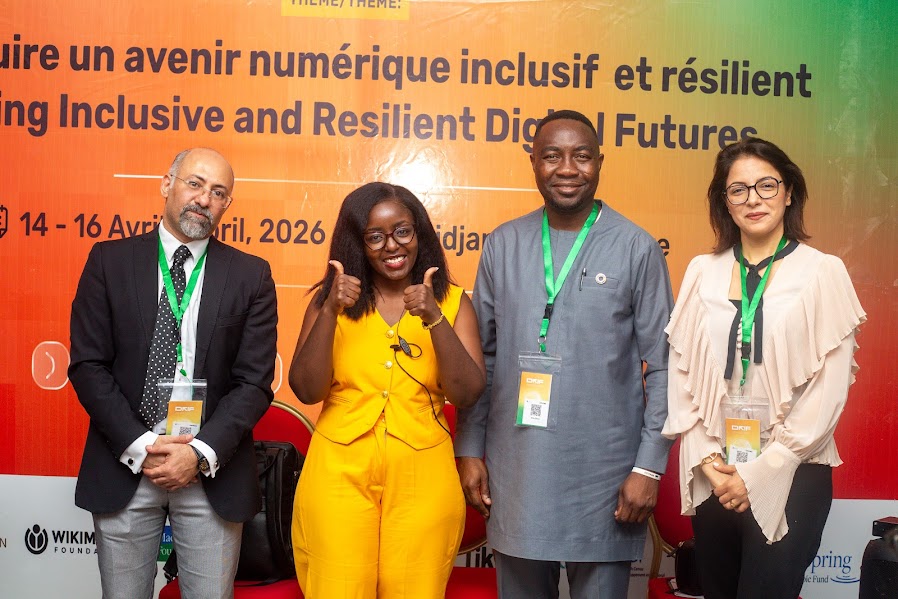
Top Rankings and Shifting Positions
The report, published by Paradigm Initiative, ranked Ghana, Namibia, Senegal, Egypt, Zambia, Kenya, Rwanda, Malawi, and Nigeria among the continent’s top performers in digital rights. However, Nigeria dropped five places, while Cameroon fell by ten positions, signaling growing concerns over digital freedoms in some regions.
At the other end of the spectrum, Mozambique, the Democratic Republic of Congo, and Sudan were listed among the lowest-ranked countries, reflecting persistent structural and policy challenges.
Inside the Digital Rights Score Index
A key feature of the report is the Digital Rights Score Index, which evaluates countries across access to information, freedom of expression, privacy protections, and digital inclusion. While South Africa’s consistent performance highlights a relatively strong digital rights framework, the report underscores uneven progress across the continent.
Notably, Botswana and Egypt emerged as the most improved countries, each climbing more than nine places in the rankings.
New Tools and Research Unveiled
The Londa Report launch coincided with several major releases at DRIF26, including the introduction of the Digital Rights On-Demand Learning (DROL) platform, designed to provide free courses on digital rights and inclusion.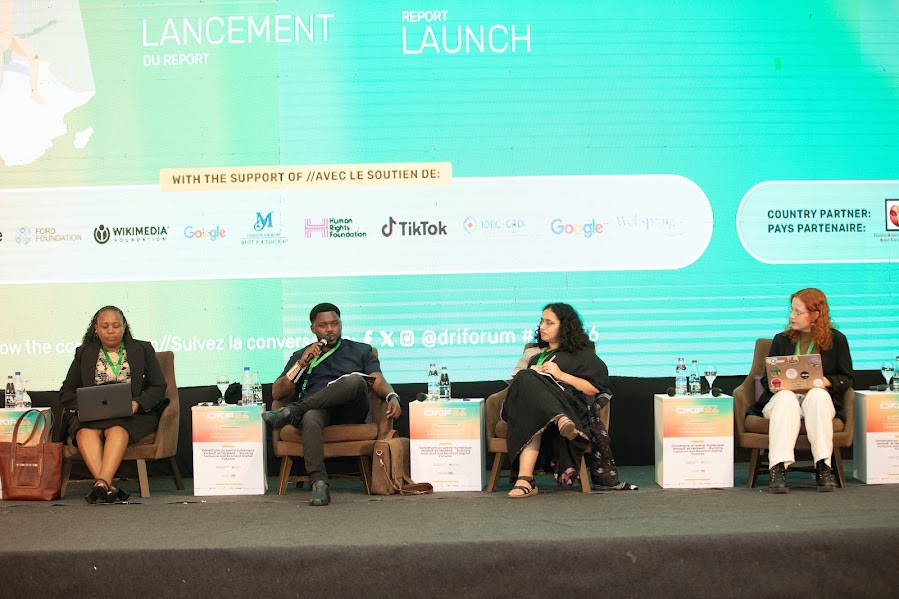
Another key publication, “Africa Facing Down: Disinformation,” examined misinformation trends across Benin, Cameroon, Côte d’Ivoire, Ghana, Nigeria, and Senegal. The study found that false narratives are increasingly driven by emotional and identity-based appeals, with some influencers and activists contributing to the spread of misleading information.
Film Highlights Digital Exclusion
The forum also featured the premiere of “The Signal,” Paradigm Initiative’s sixth short film, which sheds light on the dangers of internet exclusion, particularly for vulnerable populations in rural communities.
Calls for Accountability and Inclusion
Speaking at the opening ceremony, Gbenga Sesan, Executive Director of Paradigm Initiative, emphasized the need for reflection and action.
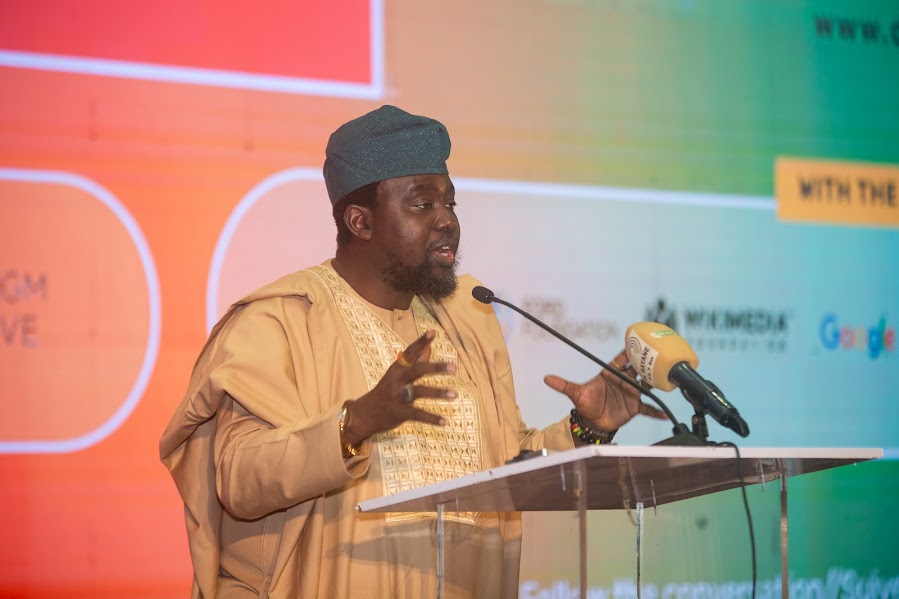
“A society is only as strong as how it treats its weakest members… We must continuously assess where we are, because we too often assume progress without truly measuring it,” he said, urging stakeholders to bridge digital inclusion gaps through evidence-based action.
Also addressing participants, Nnenna Nwakanma called for moving beyond policy frameworks to practical implementation, while Bahaa El-Taweal stressed the importance of building resilient digital public infrastructure.
Meanwhile, Meseret Melat Fassil highlighted the Malabo Convention, noting that implementation challenges persist despite its enforcement in 2023.
Forum Participation and Future Outlook
DRIF26, hosted in collaboration with the Coalition Ivoirienne des Défenseurs des Droits Humains (CIDDH) and supported by global partners including Google, Ford Foundation, and Wikimedia Foundation, recorded 415 in-person participants, 112 sessions, and over 1,000 online engagements.
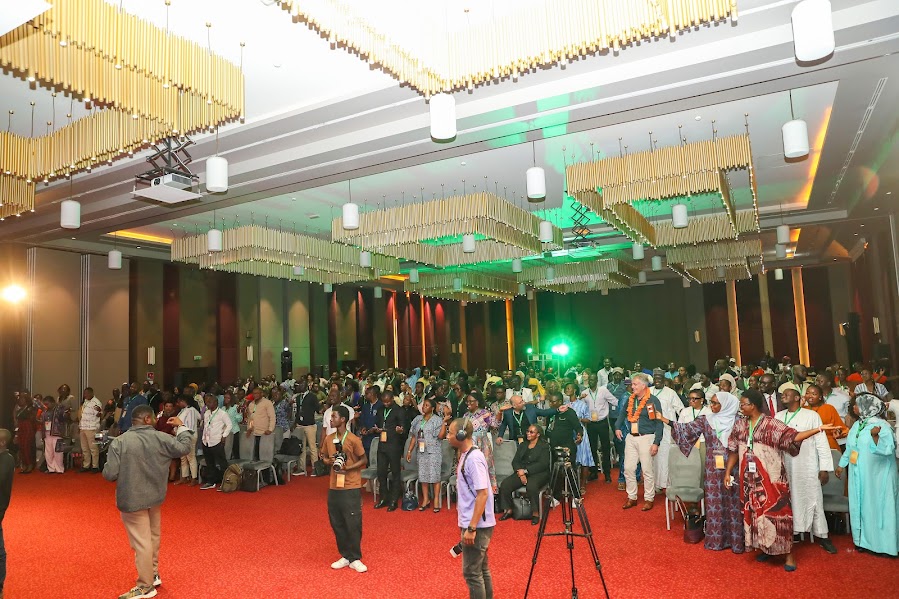
Organisers said the combined launch of the Londa Report, DROL platform, and The Signal film reflects a growing shift toward actionable solutions aimed at strengthening digital rights, policy advocacy, and inclusive access across Africa.
The next edition of the forum, DRIF 2027, is scheduled to take place in Nigeria from April 13 to 15, 2027.
Share this


