The Lagos State Primary Health Care Board (LSPHCB) has taken a decisive step toward transforming grassroots medical delivery by organizing a comprehensive capacity-building workshop focused on early case referral protocols for community health practitioners across the state.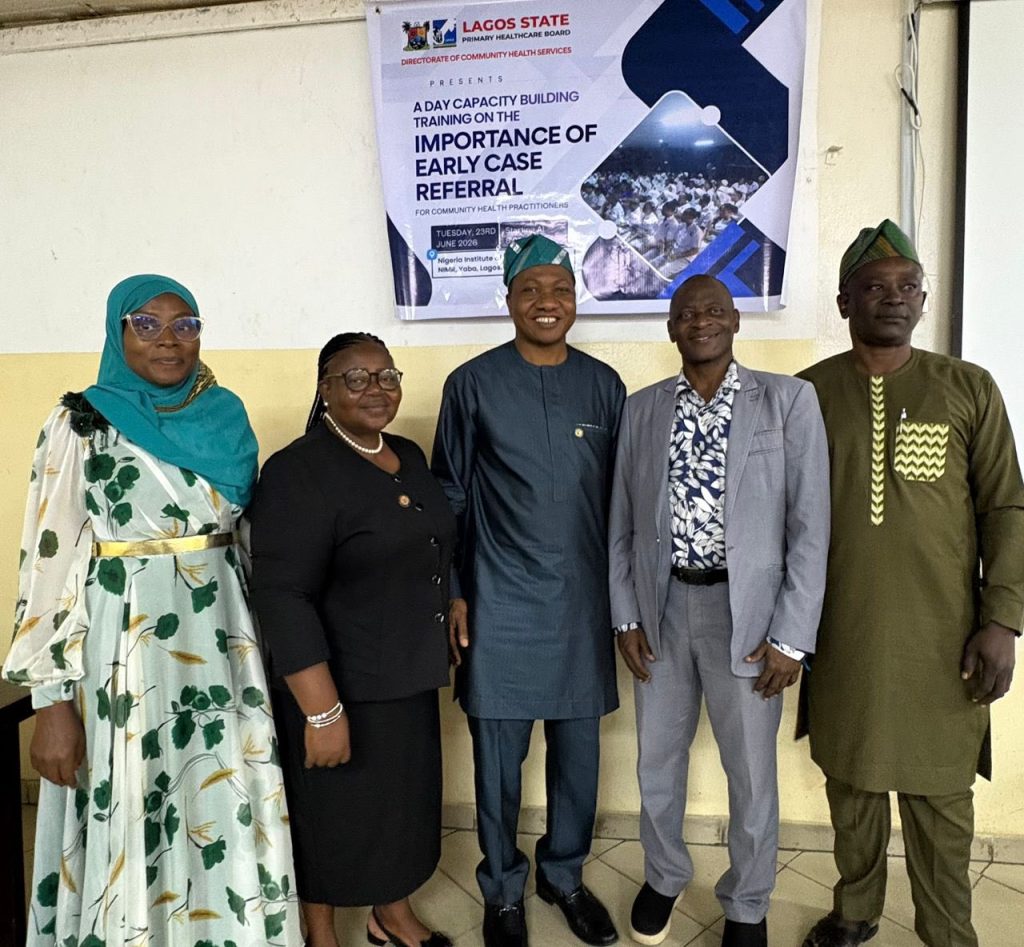
The one-day intensive training, spearheaded by the Directorate of Community Health Services, took place on Tuesday, June 23, 2026, at the Nigeria Institute of Medical Research (NIMR) in Yaba. The initiative brought together Community Health Officers (CHOs), Community Health Extension Workers (CHEWs), and various frontline medical professionals to deepen their technical knowledge, streamline the state’s medical referral pipeline, and ensure patients receive timely, life-saving interventions.
Elevating the Pillars of Grassroots Healthcare
While delivering the keynote address at the event, the Permanent Secretary of the LSPHCB, Dr. Ibrahim Akinwunmi Mustafa, mni, underscored the absolute necessity of a seamless transition system between different levels of medical care. He emphasized that local practitioners serve as the foundational shield for public health, particularly within rural and semi-urban communities.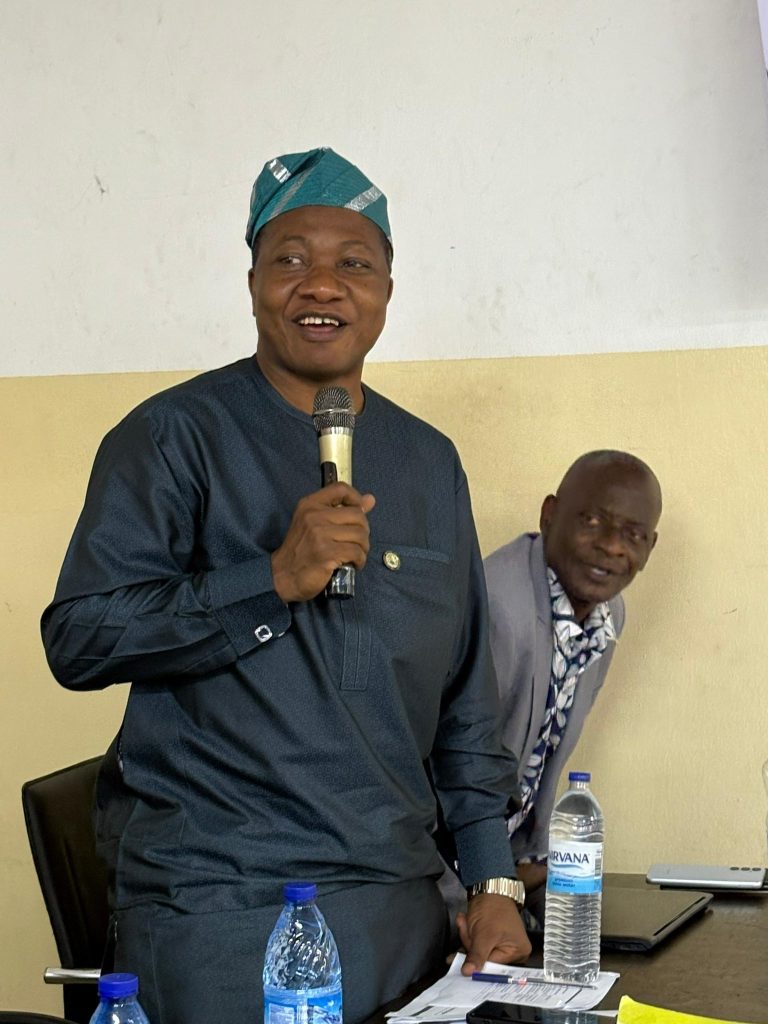
“An effective referral system is one of the pillars of a resilient healthcare system. The timely referral of patients not only saves lives but also reduces preventable complications, improves treatment outcomes, and promotes the efficient utilisation of healthcare resources,” Dr. Mustafa stated.
Dr. Mustafa further noted that because community health practitioners are the first point of contact for many residents, their ability to spot critical red flags early is vital to the broader success of Lagos State’s medical infrastructure. He challenged the attendees to actively deploy their newfound insights to boost public trust in primary healthcare facilities.
Bridging the Gap Between Communities and Hospitals
Echoing the Permanent Secretary’s sentiments, the Director of Community Health Services, Mrs. Simbiat Sanusi-Alaka, reiterated the board’s unwavering dedication to the continuous professional development of its frontline workforce. She noted that fixing the structural gaps between local communities, Primary Health Care Centres, and secondary referral hospitals is the fastest way to achieve integrated, people-centered care.
Mrs. Sanusi-Alaka urged the workshop participants to collaborate dynamically during the technical sessions, share their real-world field experiences, and adopt uniform best practices. The targeted training sessions extensively covered standard referral protocols, rigorous documentation, communication strategies, patient follow-up tracking, and practical solutions to everyday logistical bottlenecks in the field.
Share this