The Lagos State Ministry of Economic Planning and Budget (MEPB) has taken a significant step toward enhancing governance and public service delivery by launching a specialized capacity-building programme focused on Monitoring and Evaluation (M&E).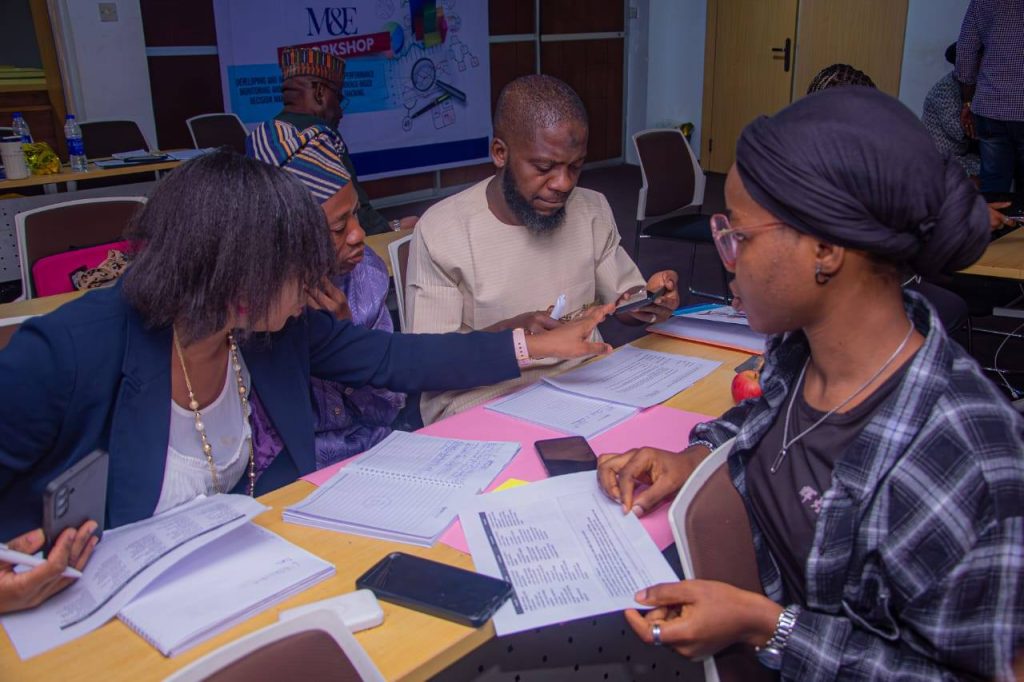
The initiative aims to institutionalize evidence-based decision-making and ensure rigorous tracking of results across the state’s developmental projects.
The training, titled “Developing and Implementing an Efficient Performance Monitoring and Evaluation System,” targeted key stakeholders, planning officers, and statisticians. This move is designed to bolster accountability and streamline the implementation of Governor Babajide Sanwo-Olu’s THEMES Plus Agenda.
Strategic Alignment with State Priorities
Representing the Permanent Secretary, the Director of Budget, Mr. Femi Orojimi, described the training as a strategic necessity for the state’s current development trajectory. He emphasized that the program aligns with critical sectors, including transportation, health, education, and economic growth.
“Achieving the objectives of the THEMES Plus Agenda requires more than planning; it necessitates credible data, clear performance indicators, and effective result tracking,” Orojimi stated. He further noted that robust M&E systems are the backbone of ensuring government interventions deliver a measurable impact on the lives of Lagos residents.
Integrating Planning and Resource Efficiency
A core focus of the session was the synchronization of various administrative frameworks. Mr. Orojimi highlighted the importance of integrating the Lagos State Development Plan (LSDP), the Medium-Term Sector Strategy (MTSS), and the Annual Budget. By aligning these with Performance Monitoring Reports (PMR), the state aims to ensure that public resources are efficiently converted into tangible and sustainable outcomes.
The facilitator of the program, Mrs. Tope Nwoseh, provided a technical breakdown of the processes, defining monitoring as a continuous tracking tool and evaluation as a periodic assessment of a project’s long-term sustainability. She urged public institutions to move beyond routine reporting and adopt structured performance frameworks and reliable data systems.
Strengthening Institutional Effectiveness
The Director of the Monitoring and Evaluation Department, Mr. Fouad Oyede, reinforced the practical goals of the training. He explained that the curriculum was specifically tailored to help officers develop performance indicators and establish accurate baselines for future planning.
“Strengthening Monitoring and Evaluation systems will significantly improve transparency and accountability,” Oyede remarked. He called on all Ministries, Departments, and Agencies (MDAs) to adopt standardized tools, such as Performance Indicator Reference Sheets (PIRS) and Data Quality Assessments (DQA), to maintain the integrity of state data.
As the training concludes, it is expected to foster a results-oriented culture within the Lagos State public service, ensuring that every government project is backed by data and directed toward maximum public benefit.
Share this