The Lagos State Government has announced a major policy shift in clinical practices across the state, revealing that only five per cent of fever cases in Lagos are actually caused by malaria. Following this data, healthcare providers have been directed to stop treating malaria based on assumptions and instead adopt strict, evidence-based diagnosis before administering treatment.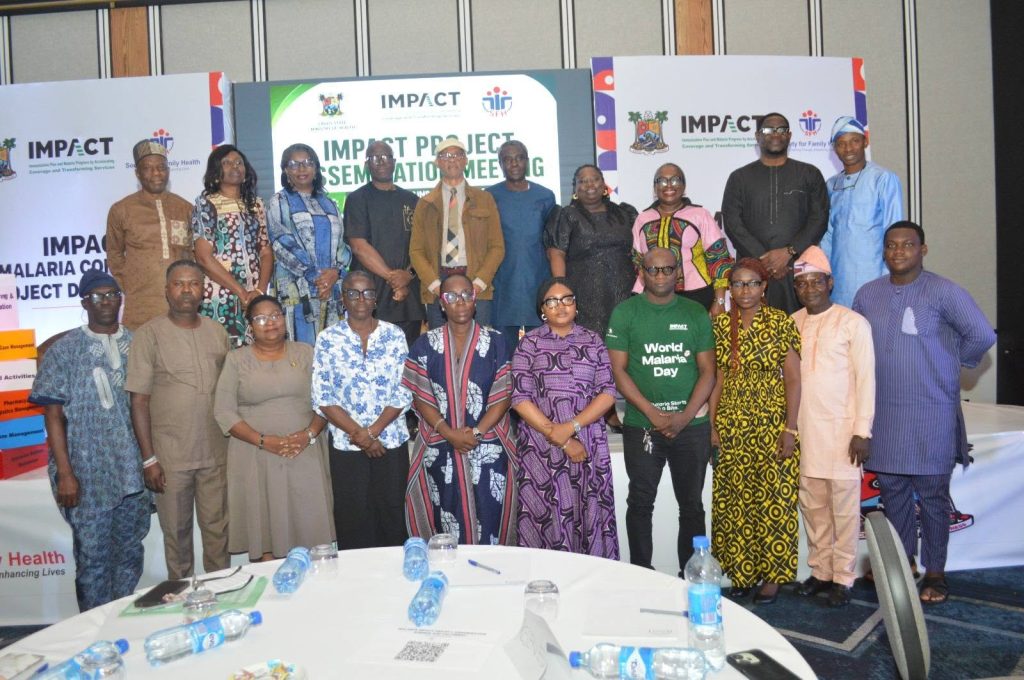
The State Commissioner for Health, Prof. Akin Abayomi, made the declaration during the dissemination meeting of the Immunization Plus and Malaria Progress by Accelerating Coverage and Transforming Services (IMPACT) Project in Ikeja. The initiative, supported by the World Bank, was implemented by the Society for Family Health (SFH) in partnership with the state government.
End of Blind Treatment for Fevers
Prof. Abayomi stated that the longstanding medical habit of treating every fever as malaria has led to widespread clinical errors and delayed treatment for other critical illnesses. To curb this, Lagos State has officially ordered all public primary and secondary health facilities to withhold malaria treatment unless a patient tests positive via a Rapid Diagnostic Test (RDT) or microscopy.
“For far too long, fever has automatically been equated with malaria,” Abayomi said. “Good clinical practice begins with listening carefully to the patient’s history, conducting a thorough examination and using appropriate diagnostic tools before reaching a conclusion.”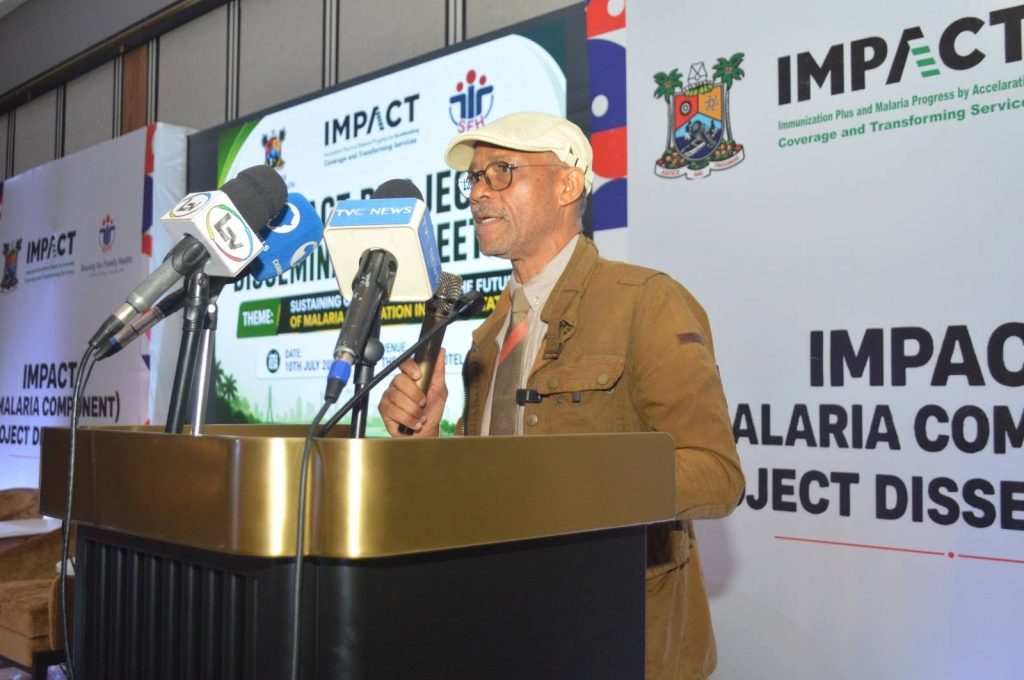
Warning that presumptive treatment can be fatal, the Commissioner highlighted past cases where patients died from underlying conditions because clinicians repeatedly treated them for malaria despite negative test results. “Today, I believe we are ushering in a new era in Lagos State, and indeed in Nigeria where fever management will be guided by evidence rather than assumptions, where diagnosis will precede treatment, and where better clinical practice will ultimately save more lives,” he added.
Data Links Testing to Dropping Malaria Rates
The IMPACT Project significantly altered clinical behaviors by funding diagnostic services for more than two million patients across 314 public and 289 private health facilities. It also delivered free treatments to over 50,000 confirmed cases.
Group Chief Executive Officer of the Society for Family Health, Dr. Omokhudu Idogho, revealed that the project successfully drove the overall malaria test positivity rate down from 43 per cent to 29.2 per cent during its implementation period.
“Not every fever is malaria,” Idogho emphasized. “Treating every fever as malaria can lead to missed diagnoses, inappropriate use of medicines and poor patient outcomes.”
Presenting the scientific data behind the policy, renowned researcher Prof. Wellington Oyibo confirmed that refined testing showed malaria test positivity among general fever patients in Lagos sits at approximately five per cent, while strict microscopy verification dropped that figure to 2.4 per cent. Oyibo noted that quality-assured RDTs demonstrated a 98.5 per cent sensitivity rate, proving their absolute reliability for routine hospital use.
Driving Lagos Toward Malaria Pre-Elimination
The intervention has moved Lagos State closer to eradicating the disease entirely. Speaking on behalf of the Permanent Secretary of the Ministry of Health, the Acting Director of Disease Control, Dr. Abosede Wellington, announced that Lagos reduced its overall malaria prevalence to about 2.6 per cent, positioning the state firmly on the path to malaria pre-elimination.
According to Dr. Abimbola Oshinowo, the State Malaria Elimination Programme Project Manager, the project trained 1,279 healthcare workers across 343 public facilities, pushing malaria testing coverage to 98.3 per cent. Additionally, the uptake of Intermittent Preventive Treatment in Pregnancy (IPTp) surged from a low 25 per cent to 93 per cent.
Expanding Grassroots Health and Private Sector Testing
The project’s reach extended into community pharmacies and Patent and Proprietary Medicine Vendors (PPMVs). Managing Director of SFH Advisory Services, Dr. Jennifer Anyanti, stated that collaboration with the Pharmacy Council of Nigeria ensured frontline retail health workers were fully trained to test before treating. SFH pledged to maintain the supply chain of these RDT kits even as the program transitions fully to independent state management.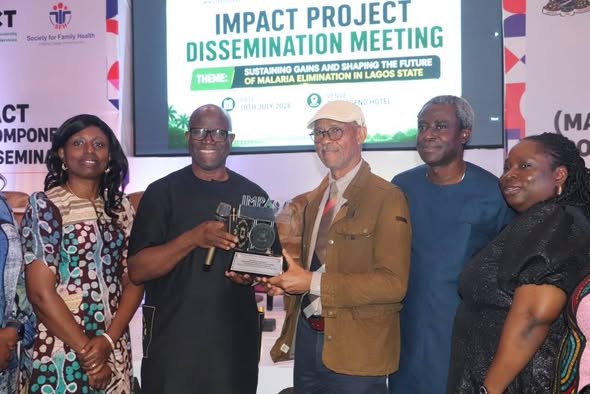
World Bank Task Team Leader and Senior Health Specialist, Dr. Onoriode Ezire, lauded Lagos for generating localized data that is actively shifting national public health policies. Moving forward, health stakeholders have agreed that maintaining these achievements will require continuous funding for healthcare worker capacity, uninterrupted diagnostic commodity supplies, and aggressive environmental sanitation.
Share this