The Lagos State Primary Health Care Board (LSPHCB) has held a meeting with representatives of the National Primary Health Care Development Agency (NPHCDA) and the United Nations Children’s Fund (UNICEF) to discuss the rollout of the Direct Delivery of Routine Immunisation Vaccines and other PHC Commodities for Equity (DRIVE) programme in Lagos State.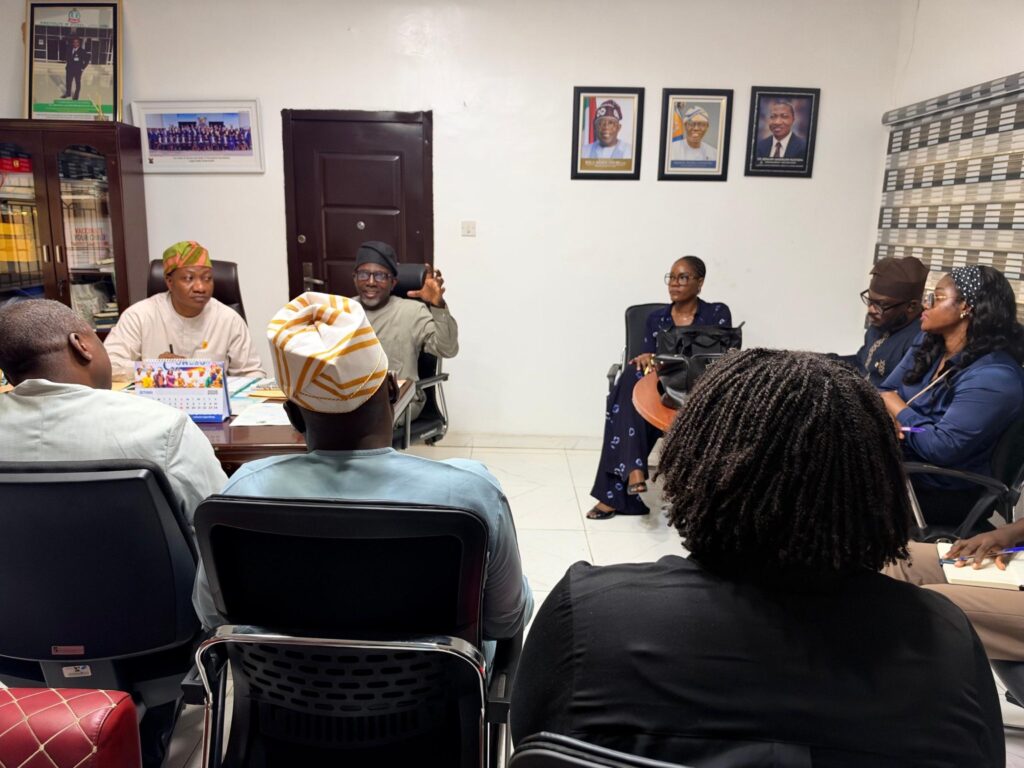
The meeting, hosted by the Executive Secretary of LSPHCB, Dr Ibrahim Akinwunmi Mustafa, mni, focused on strengthening the last-mile delivery of vaccines and essential primary healthcare commodities to ensure their availability at health facilities across the state.
Stakeholders Discuss Improved Vaccine Distribution
Participants at the meeting included Dr Olawale Adegbite, Permanent Secretary, Health District VI; Dr Olubunmi Akinlade, Head of Immunisation, Lagos State; and Dr K. Ososanya, Head of Service Delivery, PHCB.
Other participants were Mr Yoms Ishaku, National Vaccine Manager at NPHCDA; Dr Ahmad, Health Specialist for Logistics and Supply Chain at UNICEF; and Pharm Bello, STA Supply Chain at Gavi.
Discussions centred on improving the distribution of vaccines and other essential primary healthcare supplies, particularly their delivery to the last mile, where health workers provide services to communities.
DRIVE Targets Zero-Dose Children, Vaccine Stockouts
The DRIVE programme is expected to reduce the number of zero-dose and under-immunised children, minimise vaccine stockouts and reduce out-of-pocket expenditure by health workers.
The initiative is also expected to improve access to essential immunisation supplies across Lagos State by ensuring that vaccines and other primary healthcare commodities reach service delivery points when needed.
The rollout is aimed at strengthening routine immunisation services and improving the availability of essential supplies, particularly for communities where access to healthcare remains a challenge.
Effective implementation of the programme is expected to support efforts to close immunisation gaps and improve the delivery of primary healthcare services across the state.
Share this