
Lagos State Civil Society Participation for Development (LACSOP) brought together about 30 civil society organisations (CSOs) from different parts of Lagos State to participate in a training aimed at improving their understanding of self-regulation, organisational standards and the harmonisation of registration processes for civil society groups.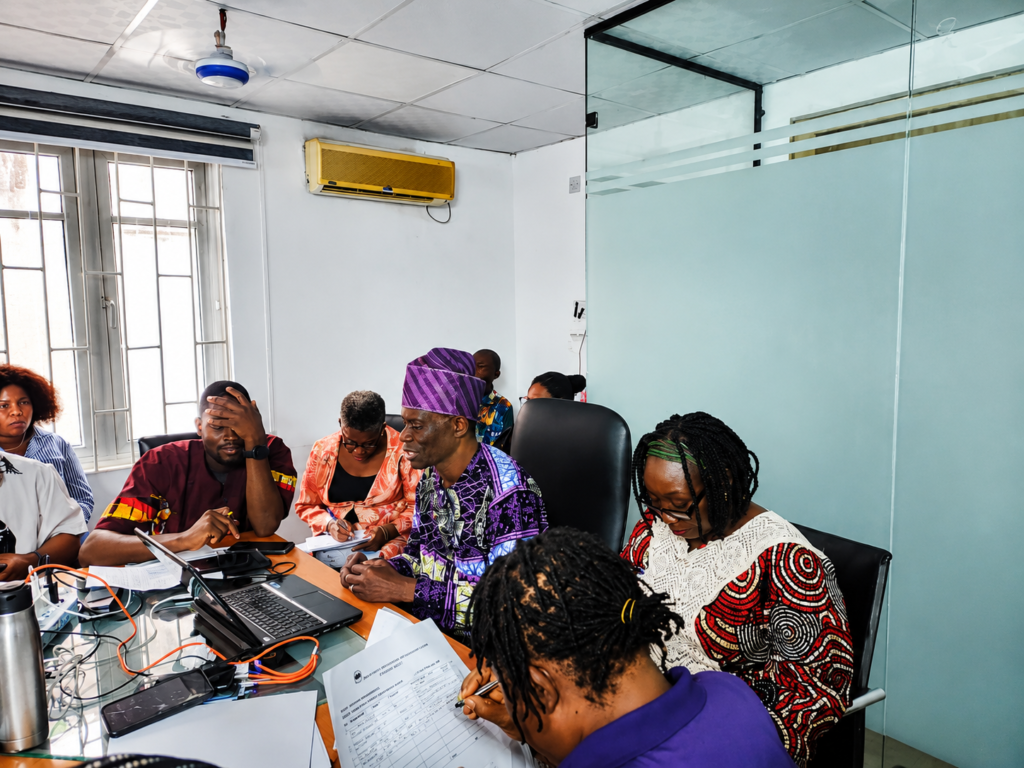
The training, titled “Training on Self-Regulation and Harmonisation of CSO Processes in Lagos,” brought together representatives of different CSOs to discuss some of the challenges organisations face in their operations, particularly around governance, compliance, registration and relationships with regulatory authorities.
The training sessions were facilitated by members of LACSOP Rev. Bola Nuga the Resource Mobilization Coordinator and Madam Vickie Onyekuru, who took participants through the Code of Conduct for Nigerian CSOs, the LACSOP Harmonised Code of Conduct, minimum standards of operation and the regulatory environment for CSOs in Lagos.
Nuga Highlights Importance of Self-Regulation
Rev. Bola Nuga, while speaking on the Code of Conduct for Nigerian CSOs, explained the importance of having common standards that guide the way civil society organisations operate.
The Code provides a framework for CSOs to assess their own organisations and promote better standards in areas such as leadership, accountability, transparency, financial management and ethical conduct.
He also took participants through the LACSOP Harmonised Code of Conduct, which encourages CSOs to take responsibility for their own standards while still complying with government regulations.
Nuga places emphasis on accountability, transparency, good leadership, internal controls and proper management of resources. It also encourages CSOs to maintain professionalism and build trust with government, donors, beneficiaries and other stakeholders.
“According to the Code, self-regulation can help CSOs prevent misconduct and regulatory breaches while improving their reputation and public confidence,” he noted.
The session also touched on areas such as conflict of interest, safeguarding, harassment, fraud and corruption, with the Code calling on organisations to put appropriate policies and systems in place.
On safeguarding, for instance, CSOs are expected to take steps to protect people they work with from abuse, exploitation and other forms of harm, while also having appropriate reporting and protection mechanisms.
CSOs Urged to Follow Minimum Operating Standards
Madam Vickie Onyekuru led the session on the Nigeria CSOs Minimum Standard of Operations, drawing attention to some of the basic practices organisations need to put in place to operate effectively.
The standards cover issues including governance, legal compliance, public communication, advocacy, safeguarding, fundraising, financial management, human resources and conflict of interest.
Participants were told that a CSO should have clear governing documents which set out its mission, objectives, governance structure and procedures.
The training also stressed the need for CSOs to be careful about how they communicate with the public and the media. Information released by an organisation should be accurate, properly contextualised and evidence-based, particularly when the organisation is involved in advocacy.
Another area discussed was fundraising and the use of funds. The standards state that CSOs should be transparent in raising and spending funds and should not engage in practices such as double funding, diversion of project funds or exaggeration of achievements.
The training also emphasised on the need for organisations to protect their independence and ensure that their policies and activities are not determined by donors, government officials, political parties or other CSOs.
Regulatory Challenges in Lagos
Rev. Bola Nuga on the CSO regulatory landscape and harmonisation of registration processes in Lagos State looked at some of the difficulties CSOs encounter when dealing with different government agencies.
He identified issues including multiple entry points, duplication of registration and reporting requirements, overlapping mandates among government agencies and inconsistent fees and procedures.
These challenges, he noted, can place additional pressure on smaller and community-based organisations that may not have the resources to deal with complicated registration and compliance requirements.
Another issue discussed was the absence of clear coordination among agencies responsible for CSO regulation. The material noted that where responsibilities overlap, organisations can face confusion over which agency is responsible for what, while accountability can also become unclear.
Call for a Simpler Registration System
The training pointed to harmonisation as one way of addressing some of these challenges.
According to the organizers the called for a more coordinated system which could help reduce duplication, simplify registration, cut unnecessary costs and improve coordination among government agencies.
They proposed a system with a clear lead agency, defined responsibilities for relevant MDAs, standardised procedures and timelines, transparent fees and coordinated oversight.
For the CSOs who attended the training, the discussions provided an opportunity to look at both sides of the issue, what organisations need to do better internally and what can be improved within the regulatory system.
The training ended with discussions around workplans and practical steps CSOs can take to strengthen their internal systems, improve compliance and contribute to a better organised civil society sector in Lagos.
The overall message from the sessions was clear: stronger self-regulation within CSOs, combined with a simpler and better-coordinated regulatory process, can help build greater trust between civil society organisations, government and the communities they serve.
Share this