

The Initiative to Resist Institutional Slavery and Exploitation (iRISE) organized a round-table meeting for media practitioners which held at Perfecto La Villa Hotel, Amuwo-Odofin, Lagos, on September 10, 2026, and focused on improving the coverage of Sexual and Reproductive Health and Rights (SRHR) and Gender-Based Violence (GBV).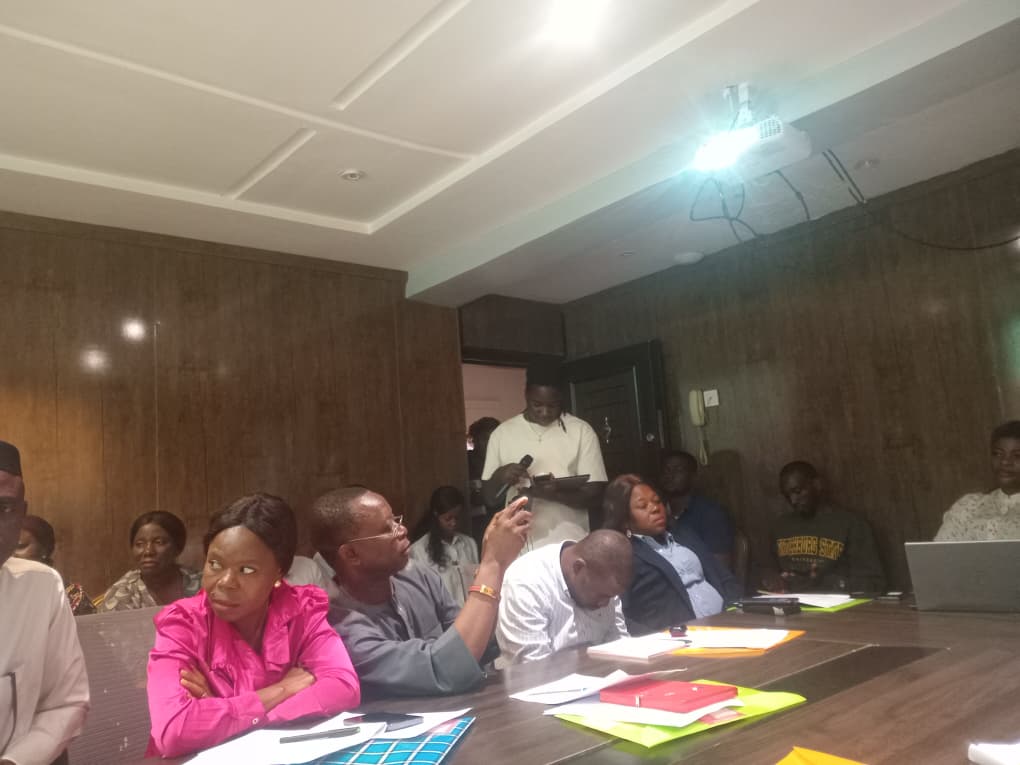
The engagement served as a refresher following an earlier rights-based media training held in February 2026. Discussions focused on newsroom practices, evidence-based reporting, media collaboration, visual representation, originality in journalism and the challenges journalists face when reporting sensitive issues.
Tackling Visual Stigma in SRHR Reporting
One of the key issues discussed was the disconnect that can sometimes occur between accurate news reports and the images used to illustrate them.
According to Omodele Ibitoye Ejeh, Executive Director of iRISE and Country Coordinator for One Billion Rising, a baseline assessment conducted before the February training found instances where accurate reports were accompanied by inappropriate visuals.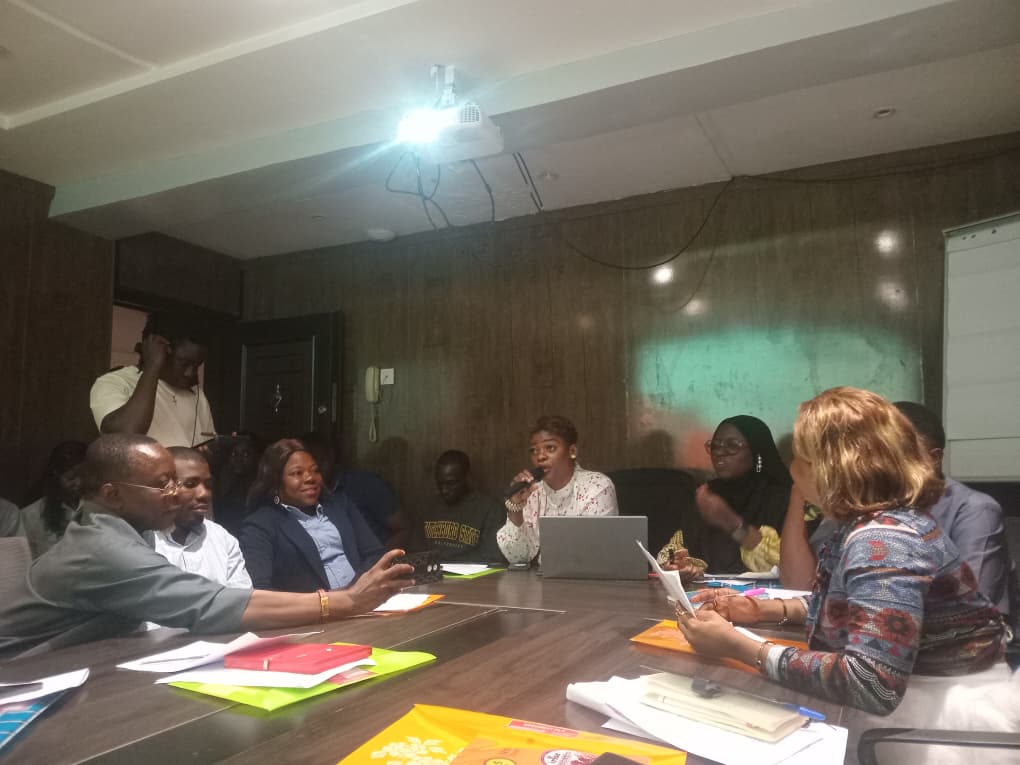
“The writings were accurate, but the picture was stigmatizing. Because this person was reporting on sexual reproductiveness and violence, but the picture there was that of a pregnant woman and the child in the womb was visible. So you are talking about contraceptives and you are putting a picture of a baby inside the womb. So I think those are two contradicting messages. The visuals are contradicting the reports.”
Ejeh also raised concerns about the influence of personal beliefs on the way journalists frame sensitive issues.
“Most times when we write, it’s just the way we are thinking. We put the way we are best thinking into our writings and it affects our morals. So that’s what we noticed too, the tone of our report.”
The discussion stressed the need for journalists and editors to consider how language, tone and visuals can affect public understanding of SRHR issues.
Originality Remains Important in Journalism
The roundtable also examined the growing use of Artificial Intelligence and its implications for original journalism.
Facilitator Nnaaji Cyriacus challenged media practitioners to maintain originality in their reporting rather than relying heavily on press statements or automated tools.
“AI is now another journalist in us. But the danger in AI is this: garbage in, garbage out. If everyone asks AI the same question, it will reflect across all our stories. If we use AI, we must use it minimally. In the age of WhatsApp forwards and AI, originality is our currency.”
Cyriacus noted that original reporting requires time, fieldwork and attention to safety, but remains important to producing stories that are distinct and credible.
The session also examined the need for journalists to look beyond press releases when reporting SRHR issues and seek additional sources and evidence to strengthen their reports.
Newsroom Challenges and Support Needs
Participants discussed some of the challenges affecting coverage of human rights, GBV and SRHR issues, including editorial restrictions, commercial pressures, safety concerns and difficulties in reaching survivors.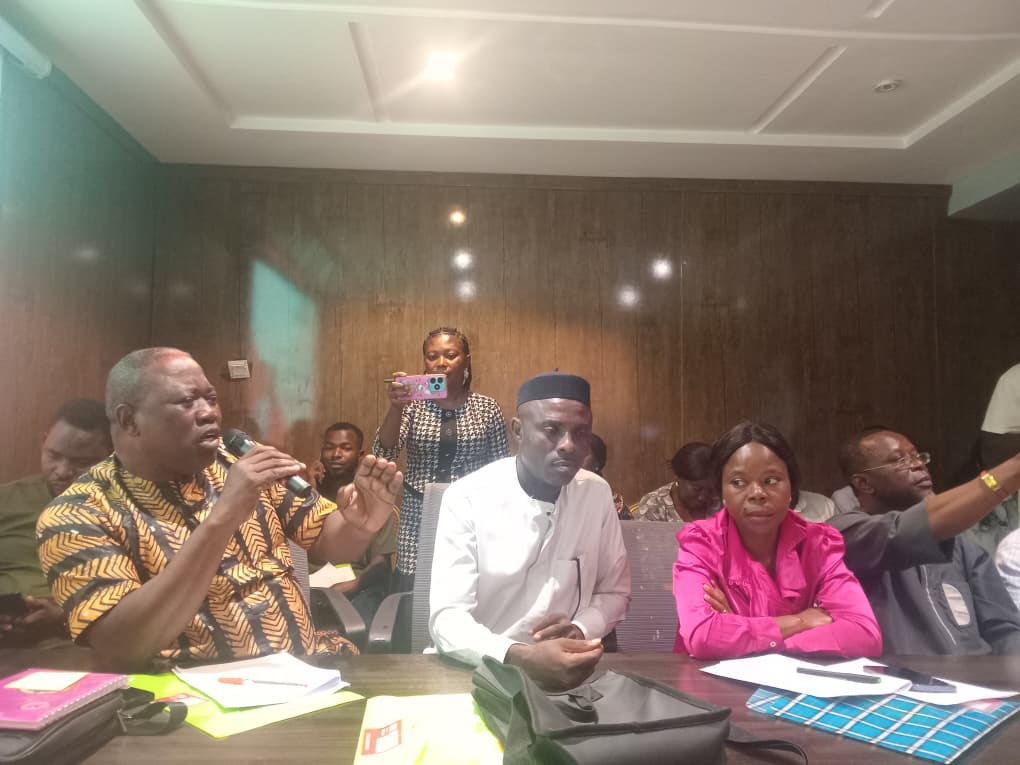
Other concerns raised included access to credible data, reluctant sources, language barriers and pressure to publish quickly in an increasingly competitive digital media environment.
Participants also discussed the need for stronger support systems when journalists are reporting cases involving survivors of abuse, particularly where interviews could expose them to further stigma or public backlash.
The engagement highlighted the importance of continued capacity building on evidence-based reporting, rights-based language and appropriate visual choices when covering sensitive health and social issues.
Strengthening Media and Civil Society Collaboration
The roundtable also focused on the relationship between civil society organisations and the media in improving SRHR coverage.
Ejeh said iRISE recognises the role of journalists in shaping public narratives and stressed the importance of stronger collaboration between media professionals and organisations working on SRHR.
“So we at iRISE understand the important role that media plays in shaping society. So we understand the importance of training media and partnering with media personnel representatives to look at how data for reporting is sourced and how evidence is being gotten to shape the reporting that is put out there. Because for us we believe that the media are like prophets, they shape the narrative of ordinary people.”
She also called for greater visibility of professional media organisations, particularly on social media, where misinformation can spread rapidly.
“Our expectations are a stronger partnership with the media personnel. The media is working hard to put out messages that are accurate and right based on what we learn every day. So we want to see more improved materials in the media space. And we want to see professionals actually shaping the media space because of the content that we see on social media these days. Everybody is a blogger now. So we actually want to see media that is more visible, media representatives that are more visible on the social media space rather than looking at bloggers doing cussing blunder to society.”
Breaking the Silence Around Abuse
The discussion also turned to the culture of silence surrounding incest, pedophilia and domestic abuse, with attention given to the experiences of survivors and the factors that can prevent them from speaking out.
Ejeh described the issue as both a societal and mental health concern and called for stronger responses to perpetrators and greater support for survivors.
“I think that’s a societal and a mental health issue. And I think because society keeps silencing survivors and sweeping these cases under the carpet, it continues to happen, to prevail. I think society should do good work in punishing perpetrators and supporting survivors. And believing survivors every time that they report such cases.”
She further linked stigma and discrimination to the continued silence surrounding cases of abuse.
“Because stigma and discrimination against survivors actually make this industry to thrive. I call this an industry, this pedophilia and incest industry to thrive. Because the perpetrators will tell you that nobody will believe you. That alone can kill your morale. That alone can make you not even talk about it and actually die in silence. So the culture of silence, the culture of stigma, the culture of discrimination against survivors needs to stop.”
The engagement ultimately focused on strengthening ethical, evidence-based and rights-conscious media coverage of SRHR and GBV, while encouraging closer collaboration between journalists and organisations working to address these issues.
Share this


