The Independent National Electoral Commission (Independent National Electoral Commission) has intensified preparations for the 2027 general elections with a training programme for political parties on political finance auditing and compliance systems.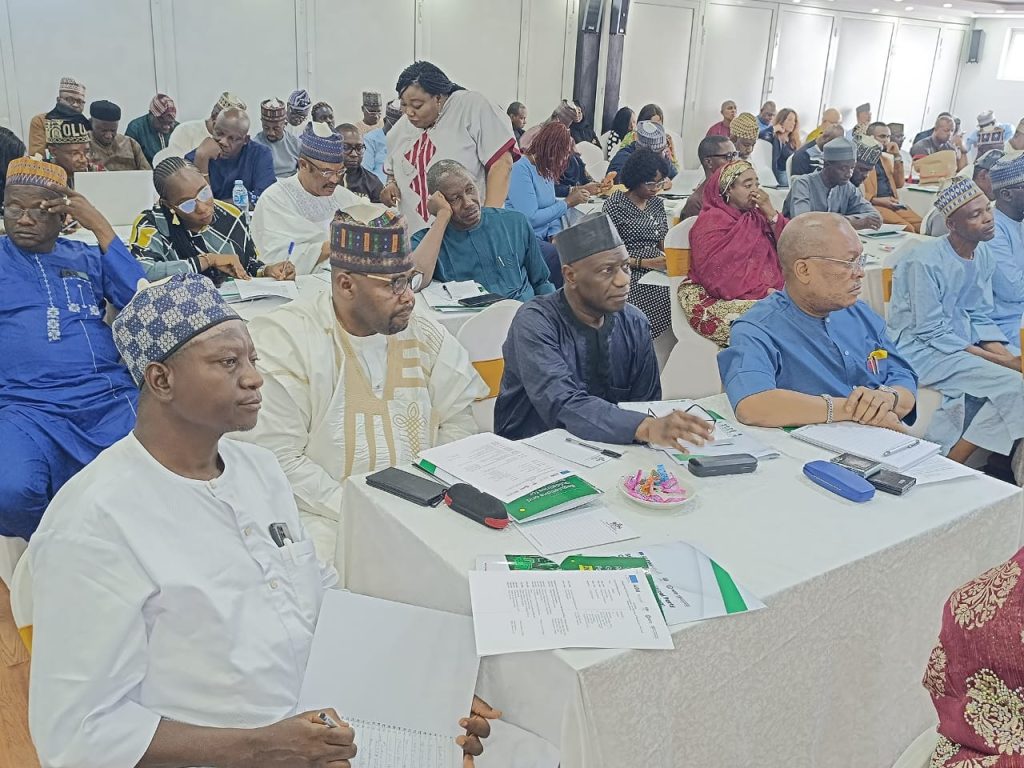
The training, organised by the Commission’s Election and Party Monitoring Committee, brought together Heads of Department, Election and Party Monitoring (EPM) officers from all 36 states and the Federal Capital Territory, alongside representatives of political parties.
Speaking at the opening session held in Lagos, the Chairman of the Election and Party Monitoring Committee, Dr. Baba Bila, said the initiative was aimed at strengthening transparency, accountability, and institutional capacity in political finance administration ahead of the 2027 elections.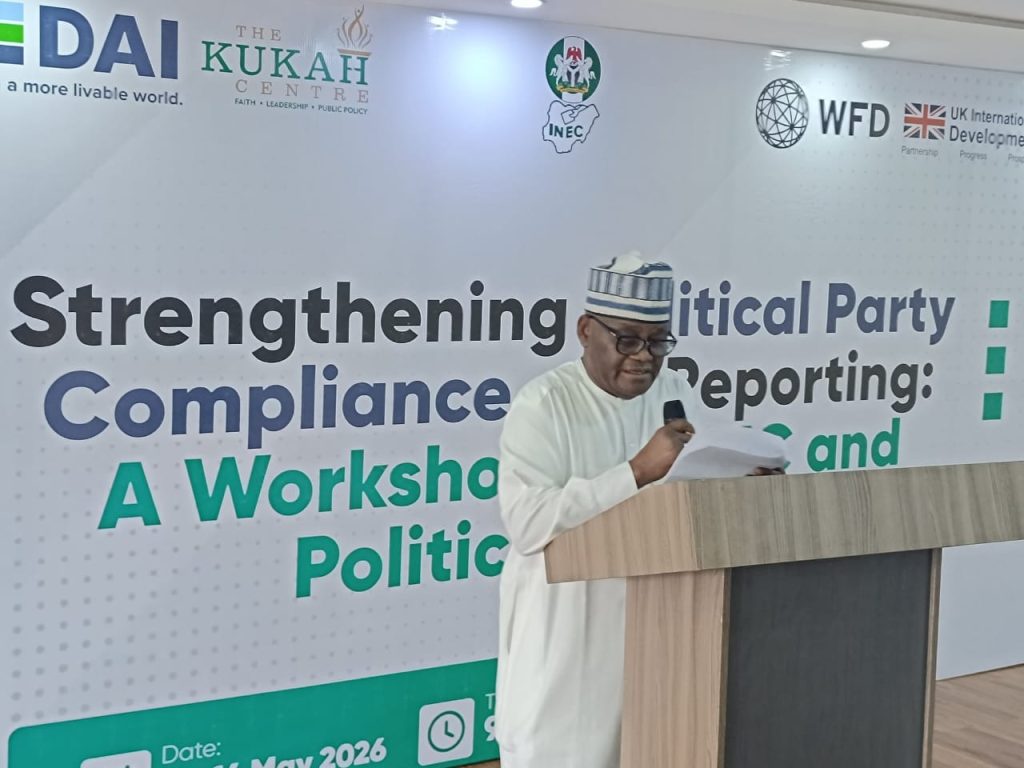
He said the training forms part of INEC’s broader electoral reforms focused on improving oversight of campaign financing and ensuring strict compliance with regulations governing political parties.
According to him, political finance remains a critical pillar of democratic governance, noting that public trust in elections is strongly tied to transparency in party funding and expenditure.
Dr. Bila explained that the Political Party Finance Reporting and Audit System (PFRAS) would provide a technology-driven platform for political parties to submit financial reports, while also enabling INEC to monitor and audit compliance more efficiently.
“The system is designed to improve operational efficiency, strengthen accountability, and enhance public confidence in the electoral process,” he said.
He added that INEC was increasingly relying on technology to reduce administrative bottlenecks, improve data management, and support evidence-based decision-making in election administration.
The Chairman also urged stronger collaboration between INEC and political parties, stressing that credible elections depend on continuous engagement, responsible political conduct, and adherence to electoral laws.
He reaffirmed the Commission’s commitment to delivering free, fair, and credible elections in line with its constitutional mandate.
In his remarks, the Resident Electoral Commissioner for Lagos State, Prof. Ayobami Salami, said the training comes at a critical period in Nigeria’s electoral cycle, as political activities begin to intensify ahead of 2027.
He noted that issues such as internal party democracy, financial accountability, and membership management would receive greater scrutiny in the coming months.
Prof. Salami added that past electoral challenges, including disputes from party primaries and weak financial transparency, had contributed to litigation and declining public trust.
Also speaking, development partners and stakeholders, including the Westminster Foundation for Democracy (WFD), DAI, and the Kukah Centre, emphasised the need for stronger political party reforms, improved internal democracy, and better compliance with electoral regulations.
They noted that declining voter turnout reflects growing public distrust and urged political parties to adopt more transparent and inclusive practices.
The workshop forms part of INEC’s ongoing reforms ahead of the 2027 elections, aimed at strengthening political finance oversight and improving compliance through digital reporting systems.
Share this