

The Independent National Electoral Commission (INEC) has called on political parties to take practical steps to improve women’s participation in politics ahead of the 2027 general elections.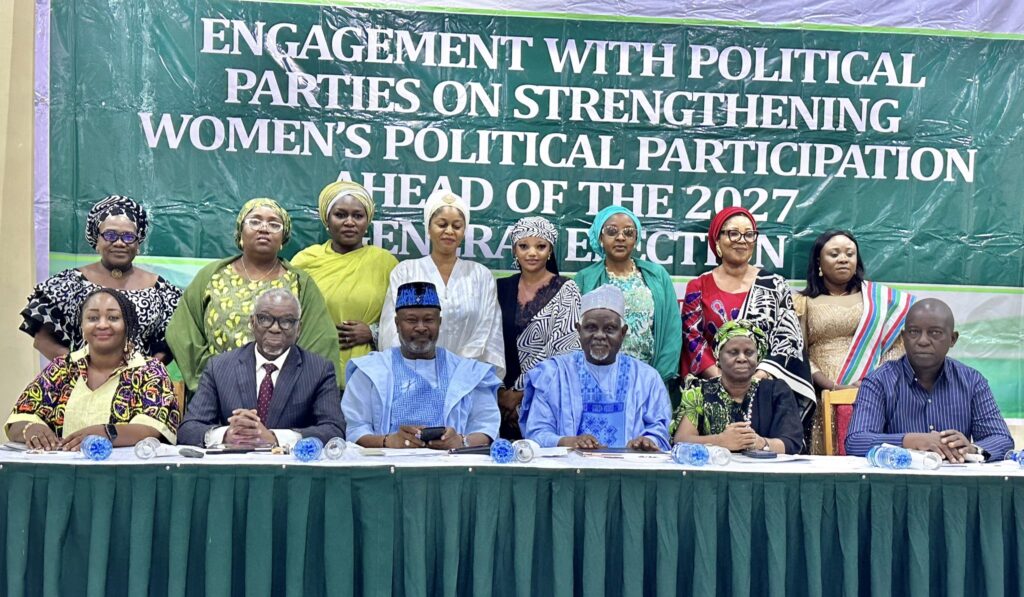
The Commission made the call at a meeting with political parties and other stakeholders in Abuja on strengthening women’s political participation.
The meeting brought together political parties, women’s groups, civil society organisations, development partners and other stakeholders to discuss the challenges facing women in politics and how they can be addressed before the 2027 elections.
Women remain underrepresented
In a welcome address delivered on behalf of the Secretary to the Commission, Dr. Rose Anthony-Orianran, by the Director, Gender and Inclusivity Department, Mrs. Lakunuya Dorothy Bello, INEC said women continue to turn out in large numbers as voters but remain poorly represented as candidates and elected officials.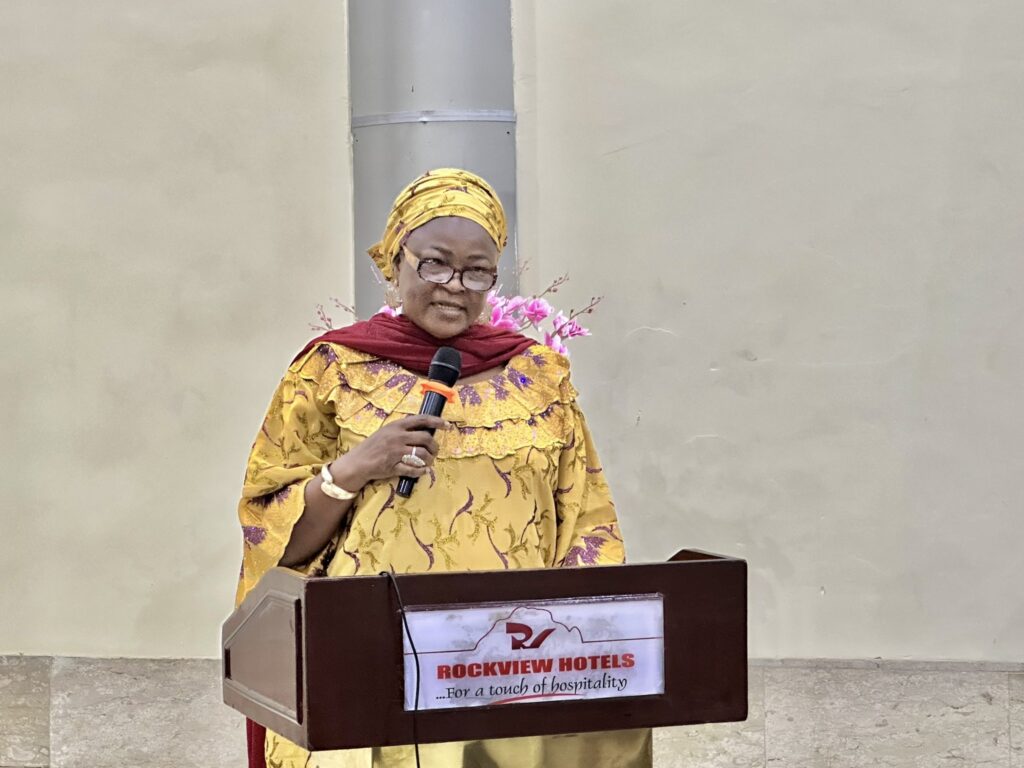
Bello said 1,556 of the 15,331 candidates who contested the 2023 general elections were women, representing 10.2 per cent.
She added that only three women won Senate seats while 16 were elected into the House of Representatives.
She said the figures showed the need for political parties and other stakeholders to do more to remove the barriers limiting women’s participation.
Parties asked to support women
Declaring the meeting open on behalf of the INEC Chairman, Prof. Joash Amupitan, SAN, National Commissioner Prof. (Mrs.) Rhoda Habor Gumus said the Commission was committed to promoting an inclusive electoral process.
Gumus said women made up 47.5 per cent of registered voters in the 2023 general elections and also accounted for the majority of registrants during the final phase of the recent Continuous Voter Registration exercise.
She, however, noted that their numbers as voters had not translated into similar representation in elective offices.
Gumus called on political parties to give female aspirants better access to party structures, campaign funding, media coverage, logistics, mentoring, security and grassroots networks.
“Investment in women’s political leadership should not be viewed as a concession but as an investment in the future of Nigeria’s democracy,” she said.
She also asked parties to put measures in place to protect women from intimidation, violence and discrimination.
Stakeholders demand more support
Mrs. Ijeoma Duru, who represented the Director-General of the Maryam Babangida National Centre for Women Development, Dr. Adedayo Benjamins-Laniyi, expressed concern over the number of women emerging from party primaries.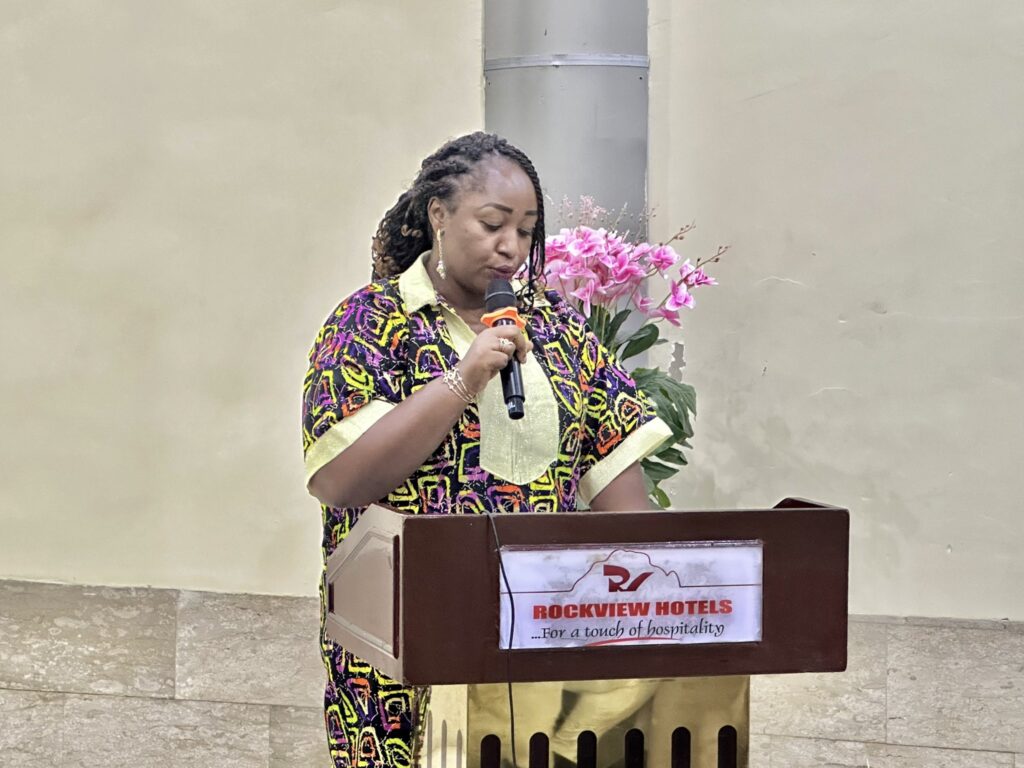
Duru called on political parties to provide women candidates with campaign funding, media visibility, security and institutional support.
She also renewed the call for the passage of the Special/Reserved Seats Bill, saying affirmative action was needed to improve women’s representation.
She said the Centre, in partnership with UN Women, would continue to support female candidates through digital resource centres across the country.
Representing the UN Women Country Representative to Nigeria and ECOWAS, Ms. Beatrice Eyong, Dr. Susan Agada said women still face structural barriers, discriminatory norms, limited political financing and electoral violence.
She called on political parties to adopt gender-responsive policies, ensure transparent nomination processes and create safer political spaces for women.
Agada said UN Women would continue to support efforts to improve women’s participation through advocacy, training and partnerships.
WFD calls for stronger party engagement
Mr. Adebowale Olorunloshola of the Westminster Foundation for Democracy (WFD) said Nigeria continued to perform poorly in terms of women’s political representation despite women making up almost half of the electorate.
He said more attention should be given to party leaders who have the power to determine candidates.
According to him, while some party officials support women’s participation, those who make the final decisions on nominations also need to be convinced of the importance of having more women in politics.
The Chairman of the Inter-Party Advisory Council (IPAC), Dr. Yusuf Mamman Dantalle, however, disagreed with claims that women’s participation in the 2027 elections had declined.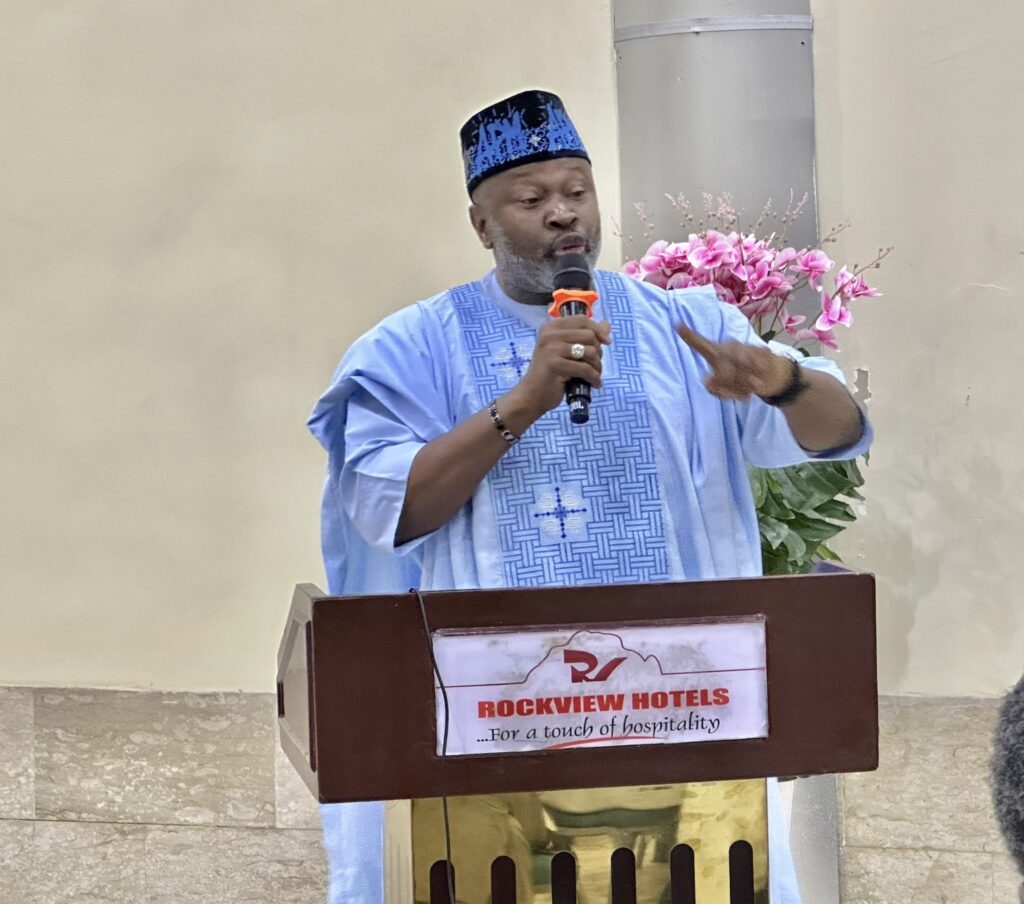
Dantalle said the available data should be properly examined before such conclusions are reached.
He noted that some political parties had supported female candidates, while some women had also used their personal resources to participate in politics.
INEC seeks commitments from parties
Earlier, the Deputy Director, Gender, Mrs. Hembadoon Akaayar, said the meeting was designed to secure commitments from political parties to support female candidates.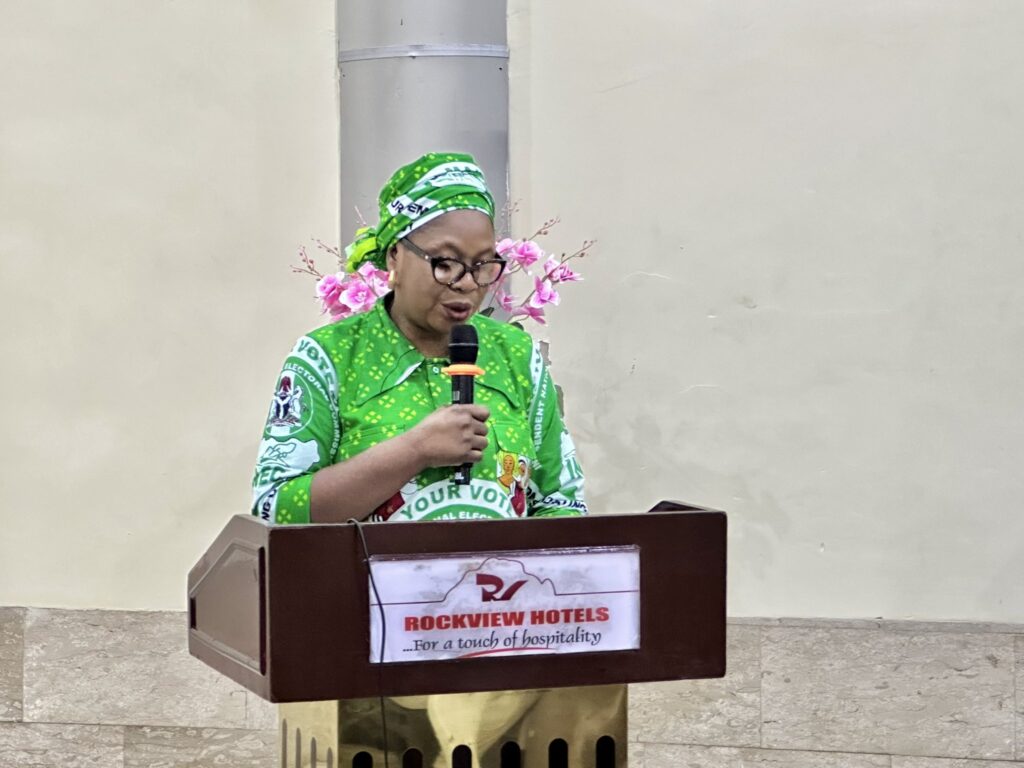
She said the discussions would also focus on equal access to campaign resources, greater visibility for women, protection from violence and harassment and continued support beyond the 2027 elections.
A keynote presentation by former Director of Voter Education and Publicity and electoral legal expert, Barr. Oluwole Osaze Uzzi, examined the position of women in politics globally and Nigeria’s obligations on gender equality.
Uzzi drew examples from other African countries and called for reforms that would give women a better chance of emerging as candidates and political leaders.
The meeting also featured a panel discussion involving political parties, election experts, development partners, gender advocates and civil society organisations.
Participants discussed the financial, political and social challenges affecting women and considered ways to address them ahead of the 2027 elections.
A draft communique containing proposed commitments and recommendations was presented by Samuel Bassey and adopted by the National Chairman of the All Progressives Grand Alliance (APGA), Barrister Sylvester Sly Ezeokenwa, on behalf of IPAC.
The participants agreed that getting more women on the ballot was not enough without providing them with the resources and support needed to compete.
In his closing remarks, the Chairman of the Outreach and Partnership Committee, Prof. Abdullahi Abdu Zuru, said getting women to secure party tickets was only the beginning.
He said the period between party primaries and the general election was also important, as female candidates would need campaign resources, visibility, political networks and support from their parties to compete effectively.
Share this


