

By Peter Emmanuel |
Lagos State Deputy Governor, Dr Kadri Obafemi Hamzat, has called for a data-driven approach to economic planning and employment generation, saying reliable information is needed to connect residents with opportunities and ensure public investments translate into measurable wealth.
Hamzat made the call on Thursday at the 2026 Stakeholders’ Engagement Forum of the Lagos State Ministry of Wealth Creation and Employment, held at the Marriott Hotel, GRA, Ikeja, Lagos.
The forum, which had the theme, “Building an All-Inclusive Data-Driven Economy for Sustainable Wealth Creation,” brought together stakeholders to discuss ways of improving employment opportunities, skills development and wealth creation across the state.
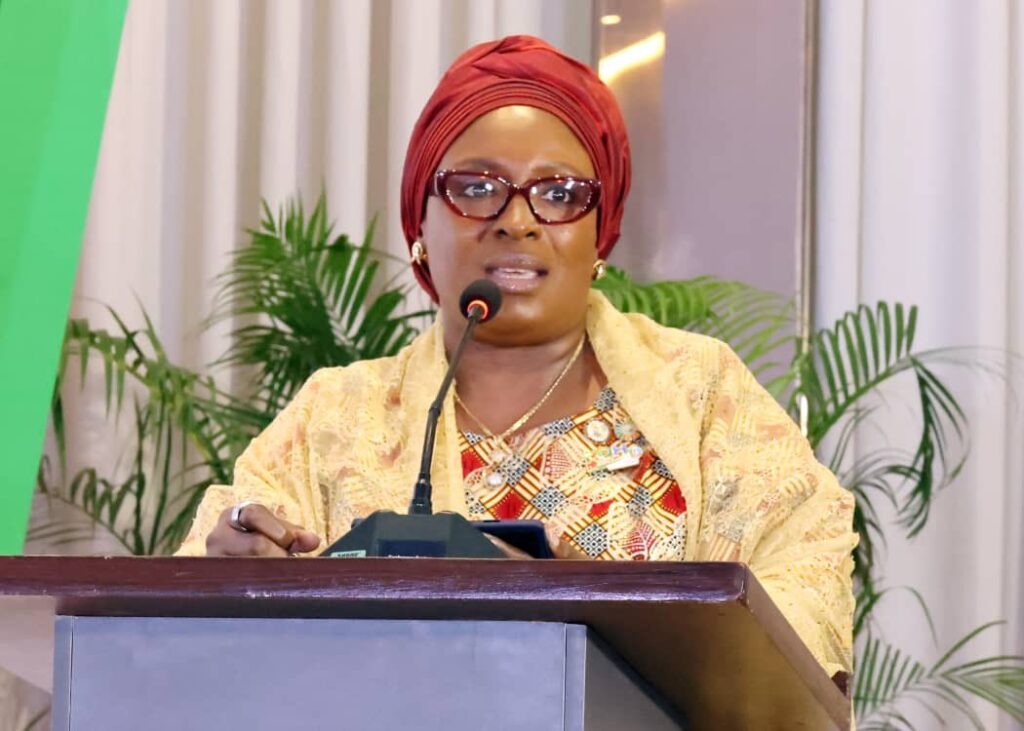
Represented by the Special Adviser on Sustainable Development Goals (SDGs), Mrs Ore Finnih, Hamzat said data should go beyond statistics by providing accurate information on people entering the labour market, the skills required by employers, financing needs of businesses and opportunities available across local government areas.
Hamzat Seeks Labour-Market Data, Skills Alignment
Hamzat said youth development should be integrated into economic policy rather than treated solely as a social intervention, stressing the need for quality education, employable skills, digital infrastructure, access to finance and mentorship.
He also called for closer alignment between vocational training and labour-market requirements, particularly in emerging industrial corridors such as Lekki-Epe, where changing economic activities are creating new demands for skilled workers.
According to him, greater attention should be given to emerging sectors such as artificial intelligence, data analytics, fintech, cybersecurity, cloud computing, digital commerce and creative technology.
He said reliable labour-market intelligence would enable government and other stakeholders to identify existing skills gaps and develop training programmes that respond to actual employment opportunities.
Hamzat also called for women-owned businesses, persons with disabilities, informal-sector operators and vulnerable households to be properly captured in official economic data.
He said their inclusion would give government a clearer picture of economic activities across Lagos and help ensure that planning and intervention programmes respond to the needs of different groups.
The Deputy Governor further proposed an integrated Data Compact for Inclusive Wealth Creation, bringing together government, businesses, labour-market information, skills, investment, education and community-level data.
He said such a framework would help residents identify available training, employment, financing and market opportunities while enabling government to measure the impact of its interventions.
Lagos Trains 1,000 Youths, Records Over 850 Job Placements
Hamzat also stressed the importance of micro, small and medium enterprises in driving job creation, noting that government alone could not provide the employment opportunities required by Lagos’ growing population.
He urged stakeholders to assess empowerment programmes based on measurable outcomes, including the number of beneficiaries who secured jobs, increased their incomes, expanded their businesses or became employers themselves.
“Beneficiary to skill, employment, income, enterprise, job creation and wealth creation,” Hamzat said, describing the progression as an economic value chain that should guide government interventions.
Earlier, the Commissioner for Wealth Creation and Employment, Hon. Akinyemi Ajigbotafe, said the ministry was strengthening collaboration with stakeholders to build an inclusive economy.
Ajigbotafe disclosed that the ministry had established job fairs across the five divisions of Lagos and trained 1,000 youths in photography, film production and content creation in 2026.
He added that more than 10,000 job seekers had been recorded through the ministry’s activities, with over 850 people recruited.
The commissioner said the figures reflected the ministry’s efforts to connect job seekers with employment opportunities while expanding skills development programmes across the state.
Deputy Governor Pushes Stronger Support for MSMEs, Emerging Skills
Ajigbotafe also introduced the “Ibile Idea,” an economic intelligence framework designed to identify available skills, emerging job opportunities and skills gaps across Lagos.
The framework is expected to provide information that can support economic planning and help stakeholders understand the changing demands of the labour market.
Hamzat’s call for stronger support for MSMEs also formed part of the broader discussion on employment and wealth creation, with the sector identified as an important avenue for expanding economic opportunities.
Stakeholders at the forum also stressed the need for better access to business information, financing, skills and support systems to enable small businesses to grow and create more employment.
The discussions further placed emphasis on the need for vocational education to respond to changing economic realities, particularly as technology continues to reshape employment opportunities.
The data-driven approach proposed by Hamzat is aimed at creating stronger links between government planning, available skills, business needs and opportunities for residents across Lagos.
With better labour-market information and stronger coordination among government, businesses, training institutions and other stakeholders, the ministry is seeking to make employment and wealth creation interventions more targeted and measurable.
Share this