

By Michael Omotosho |
The Federal Government says Nigeria’s livestock sector has the potential to create thousands of jobs for young people and women if more attention is given to processing, transportation, feed production and other areas beyond animal production.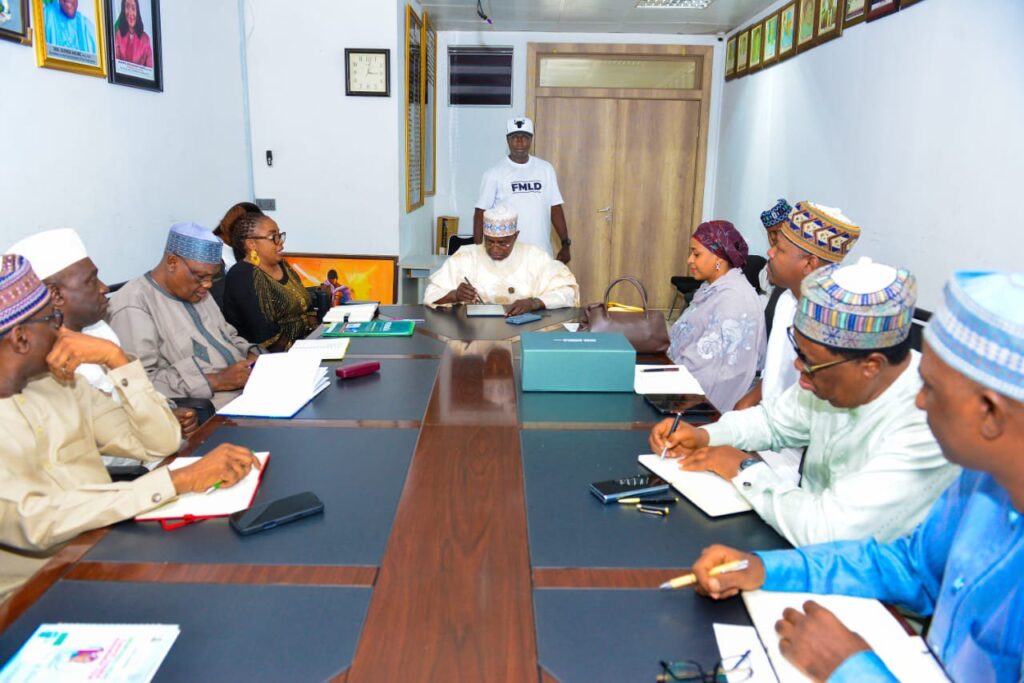
The Minister of Livestock Development, Idi Mukhtar Maiha, stated this in Abuja during a meeting with the Technical Adviser to the Vice President on Women and Youth Engagement and Impact, Hajia Hauwa Lima.
Maiha said the government was working to build a livestock system where farmers, processors, transporters, service providers and buyers could operate as part of the same value chain.
He said this would help businesses grow while creating jobs at different stages of production.
Abattoir investment could create 10,000 jobs
The minister gave the example of a modern abattoir, saying its impact would go beyond the slaughter and processing of animals.
According to him, such an investment would create opportunities in cattle production, feed and pasture development, veterinary services, transportation, meat processing, cold storage and distribution.
Maiha said an abattoir processing about 500 bulls a day could generate up to 10,000 direct and indirect jobs.
He also listed sheep and goat fattening, leather and skin collection, dairy processing, feed production and the use of livestock waste as areas where investors could create businesses and jobs.
FG looks to dairy for women’s income
Maiha said dairy farming could provide more women with a regular source of income if the right support system was put in place.
He proposed a model where women could keep dairy animals at household level while aggregators handle areas such as feed supply, veterinary care and access to markets.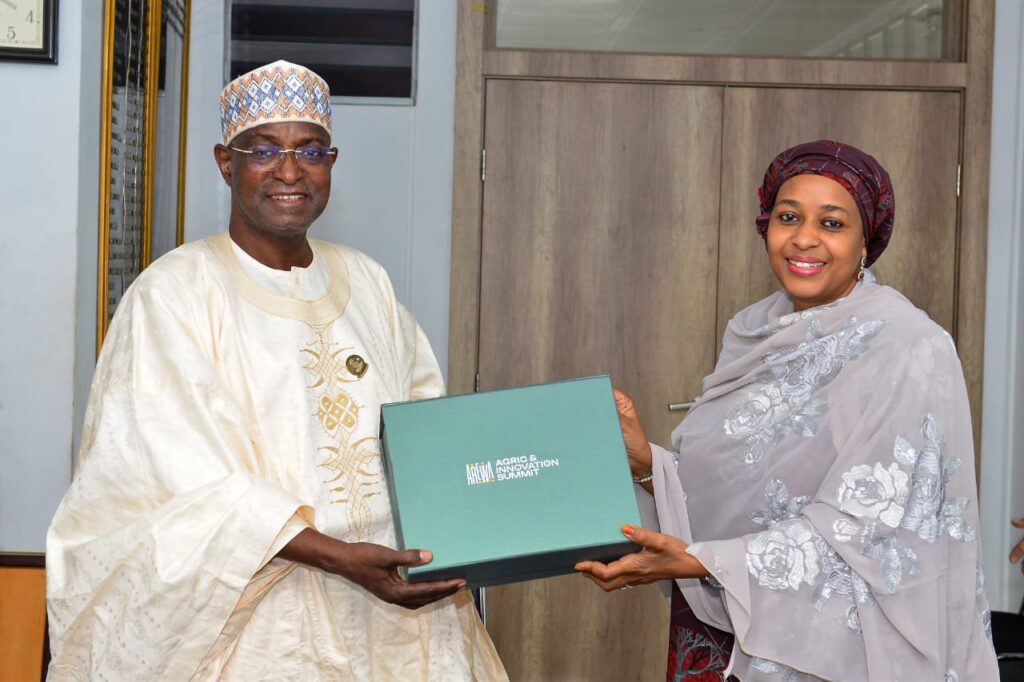
This, he said, would allow women to earn from milk production without having to manage the entire dairy business themselves.
The minister said government support must also go beyond simply giving people animals or money.
He said beneficiaries must have access to markets and proper structures that would allow their businesses to remain profitable.
“We need to establish feedlot estates,” Maiha said.
He explained that the estates could bring together animal fattening, pasture production, feed supply, veterinary services and guaranteed buyers.
Nigeria losing value from unprocessed livestock
The minister said Nigeria was losing economic opportunities because too many livestock products were being sold without adequate processing.
He cited the Mai Gateri livestock market, where large numbers of animals are traded every week, but with limited value added before the products reach consumers.
Maiha said more investment was needed in meat and milk processing, leather production, feed manufacturing, cold-chain logistics and the conversion of animal waste into energy and fertiliser.
He also called for changes in livestock education, saying students needed more practical exposure.
“For us in livestock, training in our colleges should be 30 percent classroom and 70 percent field experience,” he said.
He added that functional farms should be part of livestock training institutions to give students the skills needed to work in the sector.
VP’s adviser seeks support for 500 youths, women
Lima said her visit to the ministry was part of efforts to develop an entrepreneurial support system for about 500 Nigerian youths and women interested in agriculture and livestock.
She said the government wanted more young entrepreneurs to participate in the sector.
Lima disclosed that she had visited Cross River, Akwa Ibom, Kano, Kaduna, Jigawa, Oyo and Katsina states to understand the needs and expectations of youths and women seeking government support.
She said Vice President Kashim Shettima had called for closer engagement with stakeholders and development partners ahead of the Arewa Agric and Innovative Summit (AAIS) 2026.
According to her, the summit is expected to bring together young people and women entrepreneurs, policymakers and development partners to discuss ways of strengthening Nigeria’s livestock sector.
The Federal Government is now looking to partnerships with the private sector and development organisations to test workable livestock projects and expand them across the country.
Share this


