

In a strategic move to pivot Nigeria from a consumption-dependent nation to a global industrial powerhouse, the Federal Government on Tuesday officially launched the Nigeria Industrial Policy (NIP) 2025 in Abuja.
The launch, held at the Bola Ahmed Tinubu International Conference Centre, signals a decisive shift toward private sector-led growth and the aggressive expansion of local manufacturing capacities.
A Vision for Economic Sovereignty
Representing President Bola Ahmed Tinubu, Vice President Senator Kashim Shettima delivered a keynote address that framed the new policy as the bedrock of the administration’s economic “Renewed Hope” agenda. He emphasized that the era of policy inconsistency is over, promising a stable environment for investors.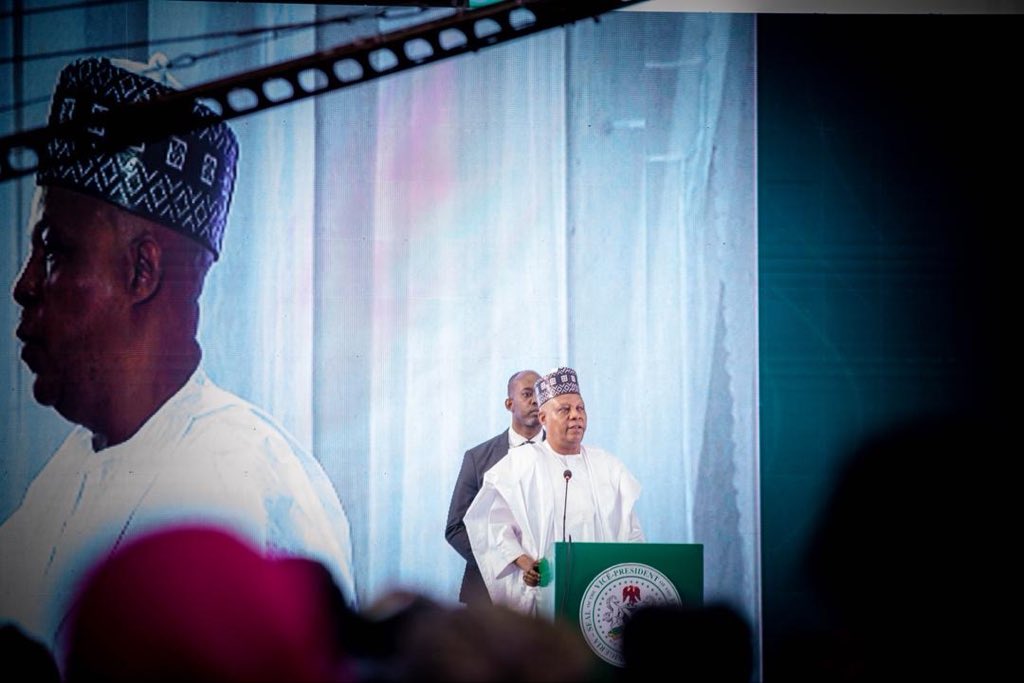
“The success of this policy depends on sustained collaboration between the government and industry stakeholders,” Vice President Shettima stated. “We are committed to ensuring transparency and measurable outcomes as we strengthen local value chains and create sustainable employment for our youth.”
From Consultation to Implementation
The policy is the result of a rigorous year-long process, having received Federal Executive Council approval in December 2025 after extensive consultations with technical experts and organized private sector players.
The Minister of State for Industry, Senator John Owan Enoh, described the document as a historic milestone. He noted that unlike previous frameworks, the NIP 2025 includes a strictly defined implementation roadmap to avoid the pitfalls of the past.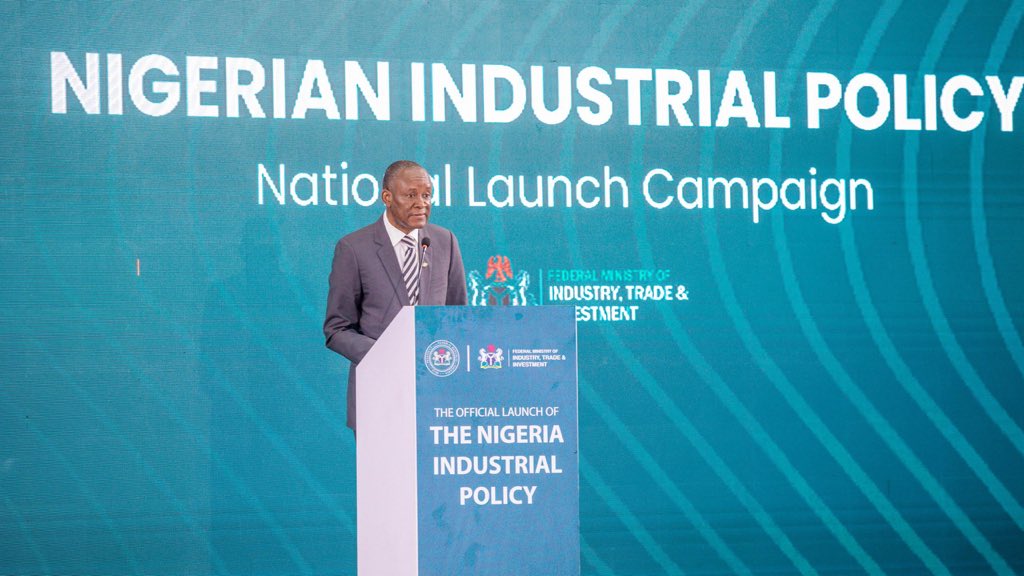
“This policy represents the fulfillment of President Tinubu’s commitment to repositioning our economy toward production-led growth,” Enoh said. “It is designed to enhance national competitiveness and ensure Nigeria is not just a market, but a manufacturer.”
Sectoral Impact: Automotive and Beyond
The launch saw high-level representation from various industrial agencies, including the National Automotive Design and Development Council (NADDC). The Director General of the NADDC, Otunba Oluwemimo Joseph Osanipin, noted that the automotive sector remains a primary pillar of the new framework.
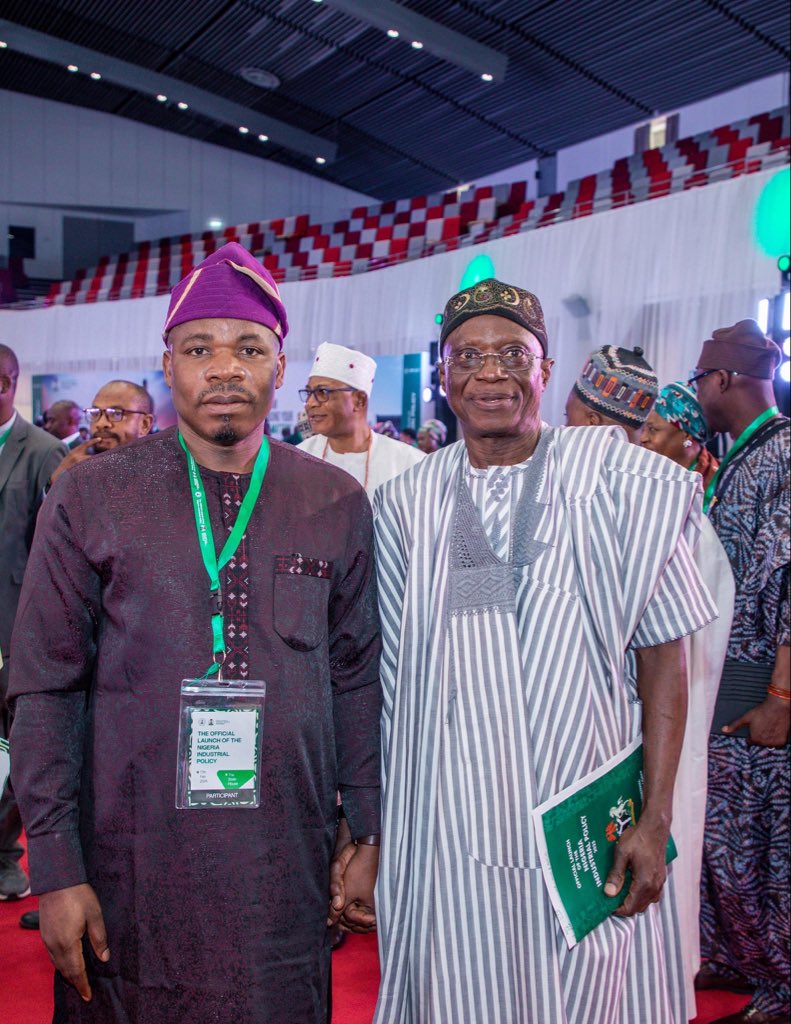
The policy aims to accelerate local vehicle manufacturing and component assembly, strengthen industrial coordination across all 36 states, improve global competitiveness by reducing the cost of doing business, and foster skilled job creation through specialized industrial hubs.
The Nigeria Industrial Policy 2025 is now expected to serve as the primary blueprint for all industrial activities, providing a coordinated national framework to bridge the gap between Nigerian products and international markets.


