

The Federal Government has taken a significant leap toward modernizing Nigeria’s academic landscape with the official commissioning of the Katsina State Smart Secondary School in Radda.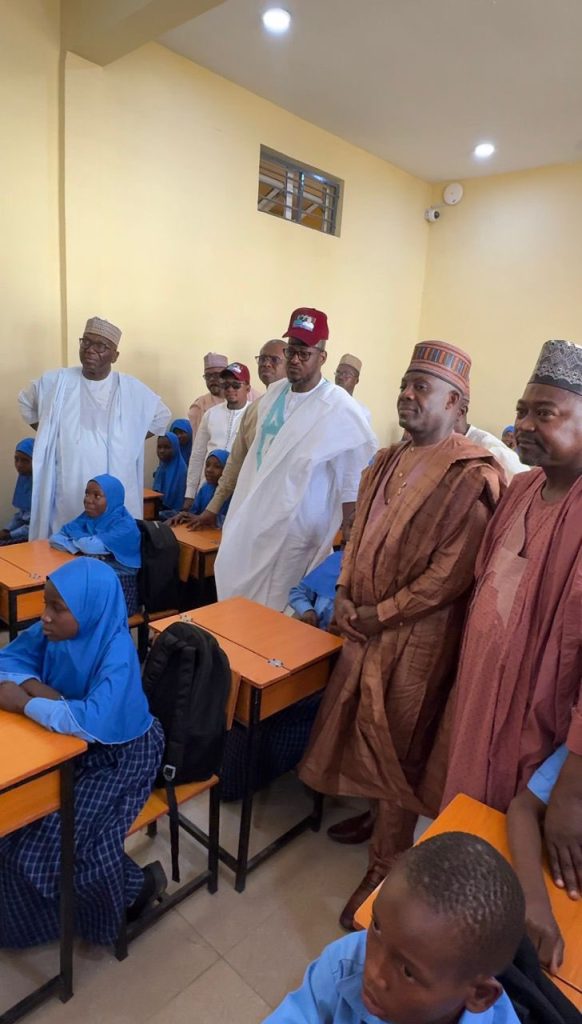
The facility is part of a broader national strategy to transition from traditional teaching methods to a technology-driven, globally competitive education system.
Speaking at the ceremony on Tuesday, the Honourable Minister of Education, Dr. Maruf Tunji Alausa, CON, emphasized that the establishment of smart schools is a deliberate move to prepare the Nigerian youth for the demands of a digital, knowledge-driven global economy.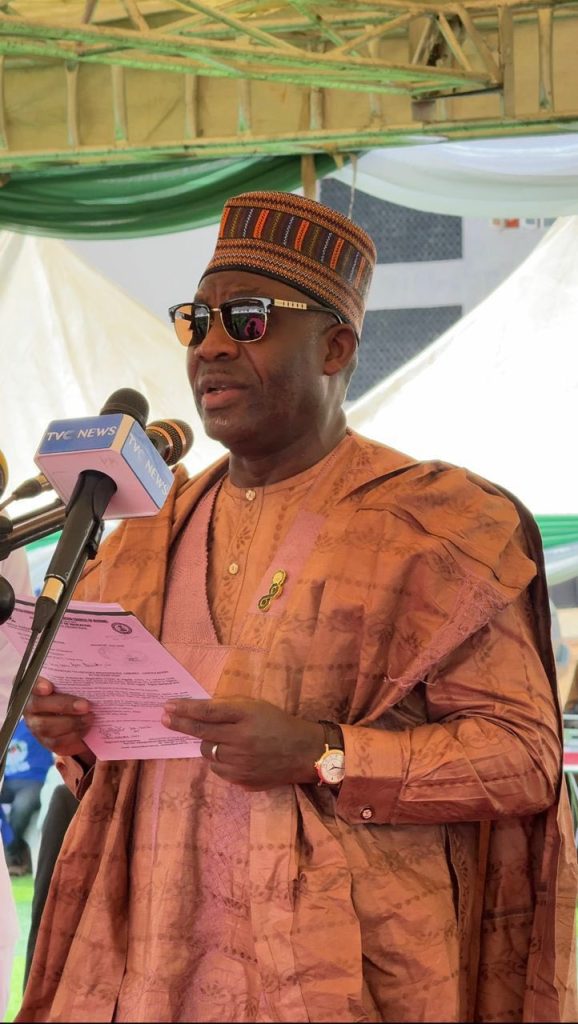
“This Smart School is more than just infrastructure; it represents innovation, opportunity, and a strategic investment in our future workforce,” Dr. Alausa stated. “We are building an education system that equips students with the actual skills required to thrive in the 21st century.”
Synergy in the Renewed Hope Agenda
The Minister lauded the Katsina State Government’s Build Your Future Blueprint, noting its seamless alignment with President Bola Ahmed Tinubu’s Renewed Hope Agenda and the Nigerian Education Sector Renewal Initiative. He highlighted that the project serves as a model for how state and federal collaborations can transform human capital development.
The Executive Governor of Katsina State, Dikko Umaru Radda, described the project as a vital intervention for underserved communities, ensuring that children from all backgrounds have access to high-end digital tools. Echoing this sentiment, the Chairman of the Nigerian Governors’ Forum, AbdulRahman AbdulRazaq, called on stakeholders to maximize the facility’s potential to foster regional growth.
National Reforms and Financial Milestones
Beyond the commissioning, Dr. Alausa provided updates on the Federal Government’s massive overhaul of the education sector. He revealed that states have accessed over ₦106 billion in UBEC matching grants, leading to the renovation of more than 10,000 classrooms and the distribution of millions of textbooks nationwide.
The Minister also pointed to significant data-driven reforms, including the implementation of the Learner Identification Number (LIN) and a cloud-based Annual School Census, which are designed to eliminate ghost students and improve resource allocation.
Scaling Technical and Vocational Training
A major pillar of the current reform is the expansion of Technical and Vocational Education and Training (TVET). Dr. Alausa disclosed that over 160,000 youths are currently enrolled in training across 1,200 TVET centres. With over one million applications recorded recently, the Minister noted a clear shift in public interest toward skills-based education over theoretical learning.
The Federal Ministry of Education concluded by reaffirming its commitment to replicating the “Smart School” model across other states to ensure inclusive, quality, and technology-driven education for every Nigerian child.
Share this


