
The Federal Government has approved the procurement of 35 additional linear accelerators between 2027 and 2029 to expand access to radiotherapy and improve cancer treatment across Nigeria.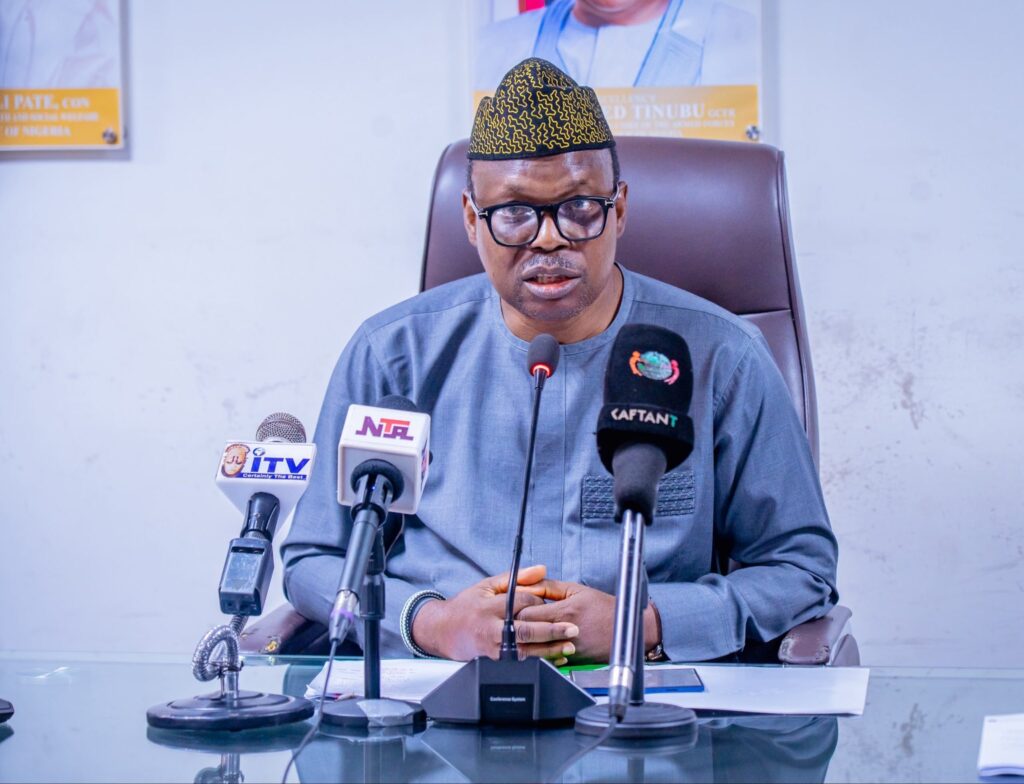
The Minister of State for Health and Social Welfare, Dr Iziaq Adekunle Salako, disclosed this on Tuesday in Abuja while receiving members of the Global Advisory Council of the National Cancer Control Plan Technical Working Group.
Salako said the investment was part of the government’s broader plan to strengthen cancer prevention, early detection and treatment under the National Cancer Control Plan 2026–2030.
Six Cancer Centres Under Development
The minister said the Federal Government was also expanding cancer treatment infrastructure, with six cancer centres currently being developed across the country.
In his statement, three of the centres have been completed, while work is ongoing on the remaining three.
He added that the government was working with international partners and experts to strengthen the country’s cancer control efforts and improve treatment outcomes.
FG Steps Up Cancer Prevention
Salako said cancer prevention remained a major focus of the government’s strategy.
He pointed to the approval of Human Papillomavirus (HPV) vaccination as part of routine immunisation as an important step towards preventing cervical cancer.
The government is also expanding cervical cancer screening, increasing public awareness and integrating selected screening services into primary and secondary healthcare facilities to improve early detection.
A Cervical Cancer Elimination Council is also being established as part of the government’s efforts to tackle the disease.
“Prevention is better and cheaper than cure. We are doing everything possible to expand routine immunisation, broaden screening and improve early detection,” Salako said.
Blood Cancer Consortium Inaugurated
The minister also formally inaugurated the Blood Cancer Consortium, describing it as an important platform for strengthening collaboration, sharing knowledge and improving the management of blood cancers in Nigeria.
Salako commended members of the Global Advisory Council and the Technical Working Group for contributing their expertise, experience, networks and resources to Nigeria’s cancer control efforts.
He called for stronger international partnerships to support the country’s efforts to achieve better cancer outcomes.
Earlier, the Permanent Secretary of the Federal Ministry of Health and Social Welfare, Daju Kachollom S. mni, welcomed the delegation and expressed hope that the engagement would help improve cancer care for Nigerians.
Experts Push Stronger Cancer Research
The Chairman of the National Cancer Control Plan Technical Working Group, Professor Folakemi Odedina, said the initiative had brought together Nigerian experts in the country and abroad, government officials, academics, healthcare providers, patients, advocates, industry players and international partners.
Odedina said the Technical Working Group was now operational and focused on strengthening cancer research and developing a stronger national oncology clinical trials system.
She added that the group was also working to build strategic partnerships between Nigerian institutions and leading cancer centres around the world.
The meeting ended with the signing of a strategic partnership between the Federal Ministry of Health and Social Welfare’s National Cancer Control Plan Technical Working Group and members of the Global Advisory Council.
Share this