
By: Peter Emmanuel |
The European Union has released €2.3 million in emergency humanitarian funding to Nigeria, Cameroon, the Central African Republic and Chad to support efforts to contain the ongoing cholera outbreak in West and Central Africa.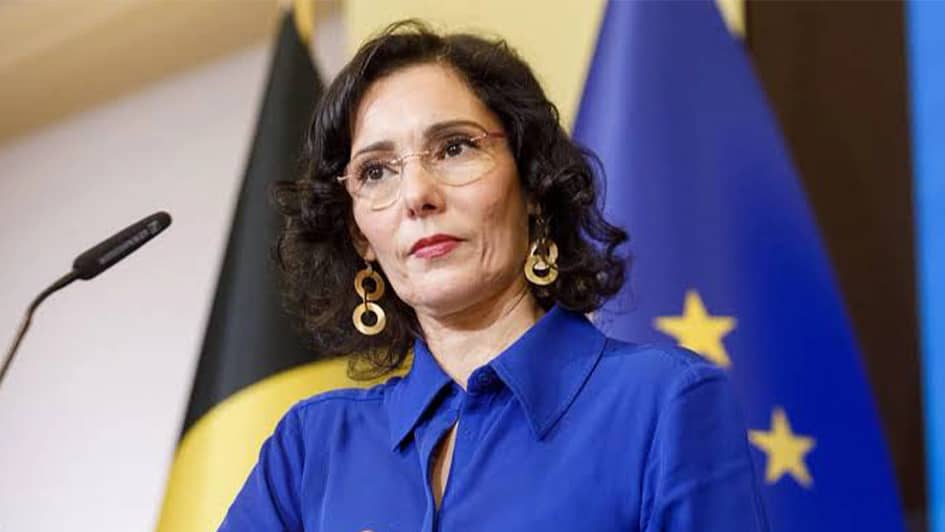
Nigeria will receive the largest share of €1.5 million to strengthen outbreak response, expand disease surveillance and provide essential supplies, as well as water, sanitation and hygiene services in affected communities.
The funding was announced in a statement signed on Monday by the Press and Information Officer, EU Delegation to Nigeria and ECOWAS, Modestus Chukwulaka.
The intervention comes as cholera cases continue to rise in Nigeria and other parts of Africa. The World Health Organisation (WHO) recorded 61,888 cholera cases and 1,230 deaths across 16 African countries between January 1 and May 31, 2026.
Nigeria recorded 6,860 cases and 80 deaths during the same period, with WHO reporting 5,798 new cases and 54 deaths in May alone.
Cholera Cases Rise Across Nigeria, Borno Worst Hit
Borno State accounted for the largest share of Nigeria’s reported cholera cases as of the end of May, with 5,267 cumulative cases and 49 deaths recorded across 10 local government areas.
Maiduguri and Jere were identified as the worst-affected areas in the state.
The WHO figures show a sharp increase in Nigeria’s cholera burden in May compared with the previous month, with the country recording the highest number of new cases among African countries during the month.
The EU said the emergency funding would help Nigerian authorities and humanitarian partners respond more quickly to the outbreak and protect people in communities most at risk.
The intervention will also support efforts to strengthen surveillance, particularly in hard-to-reach areas, to improve the early detection of new cases and limit further transmission.
EU Funding to Support Treatment, Water and Sanitation
The €1.5 million allocated to Nigeria will support the deployment of additional response teams and the provision of cholera kits and other essential medical supplies.
The funding will also support water, sanitation and hygiene measures, including the treatment of public water points and household water in affected communities.
It will further strengthen case management, risk communication and community sensitisation as health authorities work to prevent the spread of the disease.
EU Commissioner for Preparedness and Crisis Management, Hadja Lahbib, said the intervention would enable humanitarian partners to respond quickly and protect vulnerable populations.
“Cholera is preventable and treatable. Yet it still threatens lives when people lack something as basic as safe water and healthcare,” Lahbib said.
WHO Warns Cholera Figures May Be Underreported
The WHO reported that African countries recorded 14,230 new cholera cases and 201 related deaths in May alone, with Nigeria accounting for the highest number of new cases.
The agency cautioned that reported figures may be affected by underreporting and delays in disease surveillance, meaning the actual number of cases could be higher.
Cholera is caused by Vibrio cholerae bacteria and is commonly transmitted through contaminated food or water.
Severe cases can lead to rapid dehydration and death if treatment is not provided promptly, making early detection, access to safe water, sanitation and appropriate healthcare important in controlling outbreaks.
The EU said its latest intervention forms part of its wider humanitarian response to the cholera crisis in the region, while WHO had also allocated $200,000 to Nigeria in June to support outbreak coordination, surveillance, laboratory confirmation, treatment centres, medical supplies and community engagement.
Share this


