
Health experts from across the ECOWAS Member States have gathered in Freetown for the second statutory meeting of the 27th Ordinary Session of the Assembly of Health Ministers. Organized by the West African Health Organisation (WAHO), the high-level engagement, running from April 21 to 22, 2026, serves as a critical preparatory stage for ministerial decision-making aimed at transforming the region’s medical landscape.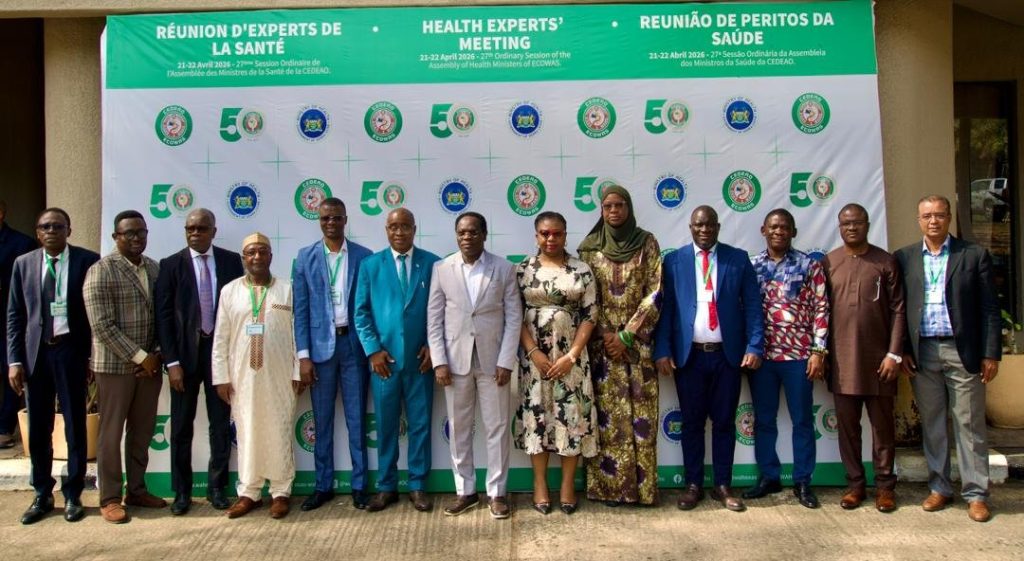
The primary focus of the assembly is to review regional health performance, harmonize cross-border strategies, and formulate actionable recommendations. Central to the agenda is the urgent need for malaria elimination and the comprehensive strengthening of health systems to protect the sub-region’s most vulnerable populations.
Unified Front Against the Malaria Menace
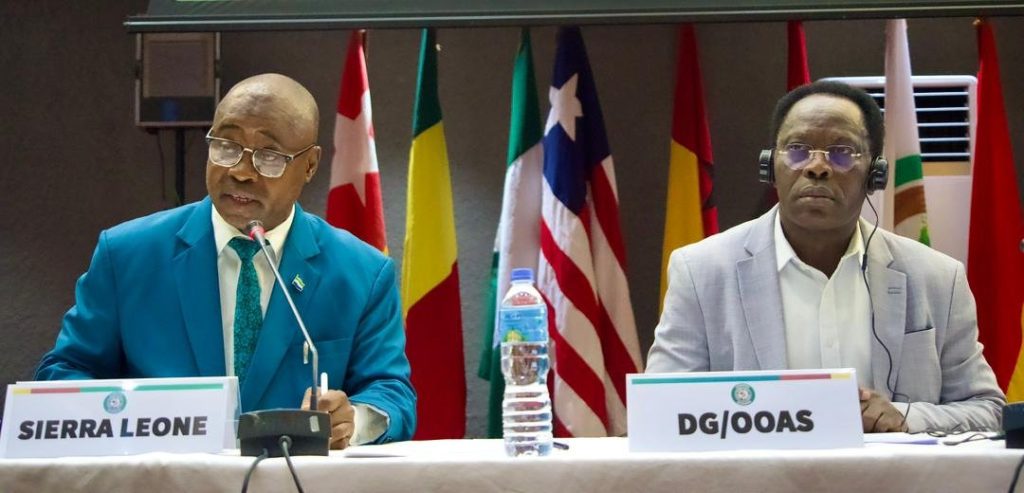
Opening the session, Sierra Leone’s Deputy Minister of Health 1, Prof. Charles Senesie, emphasized that malaria remains a persistent and deadly public health threat across the African continent. He urged participants to move beyond individual state policies toward a more coordinated regional action plan.
“Malaria continues to undermine our public health security,” Prof. Senesie noted, calling on the committee to use the Freetown summit to build a solid foundation for cooperation that ensures no country is left behind in the fight against the disease.
WAHO Advocates for Integrated Regional Strategy
In his keynote address, the Director General of WAHO, Dr. Melchior Aissi, highlighted that the meeting’s theme, “Advancing malaria elimination through an integrated regional strategy,” is a direct response to the scale of the current crisis. Dr. Aissi pointed out that despite years of intervention, malaria still places an exhausting burden on health systems, national economies, and specifically on children and pregnant women.
Dr. Aissi maintained that isolated efforts are no longer sufficient to achieve a malaria-free West Africa. “Malaria elimination in West Africa will not be achieved through isolated efforts, but rather through coordinated and integrated regional action,” he stated. He further outlined that success depends on harmonized strategies, integrated epidemiological surveillance, and synchronized investments that transcend national borders.
Beyond Malaria: The Freetown Charter and Future Security
While malaria remains a top priority, the experts are also addressing a broad spectrum of health challenges. The session includes deep dives into the operationalization of the Regional Community Health Policy and the development of the Freetown Charter, a document expected to serve as a roadmap for future health governance in the region.
The committee is also reviewing strategic frameworks for epidemic preparedness and response, with a specific focus on the regional dialogue regarding HIV/AIDS and emerging initiatives to combat Lassa fever. Dr. Aissi concluded the opening session by expressing his expectation that the two-day deliberations would result in concrete, measurable commitments that align with the shared vision of health sovereignty for all ECOWAS citizens.
Share this