
In a decisive move to address escalating environmental threats, the Plateau State Government has officially launched its Climate Change Policy and Action Plan (2026–2030).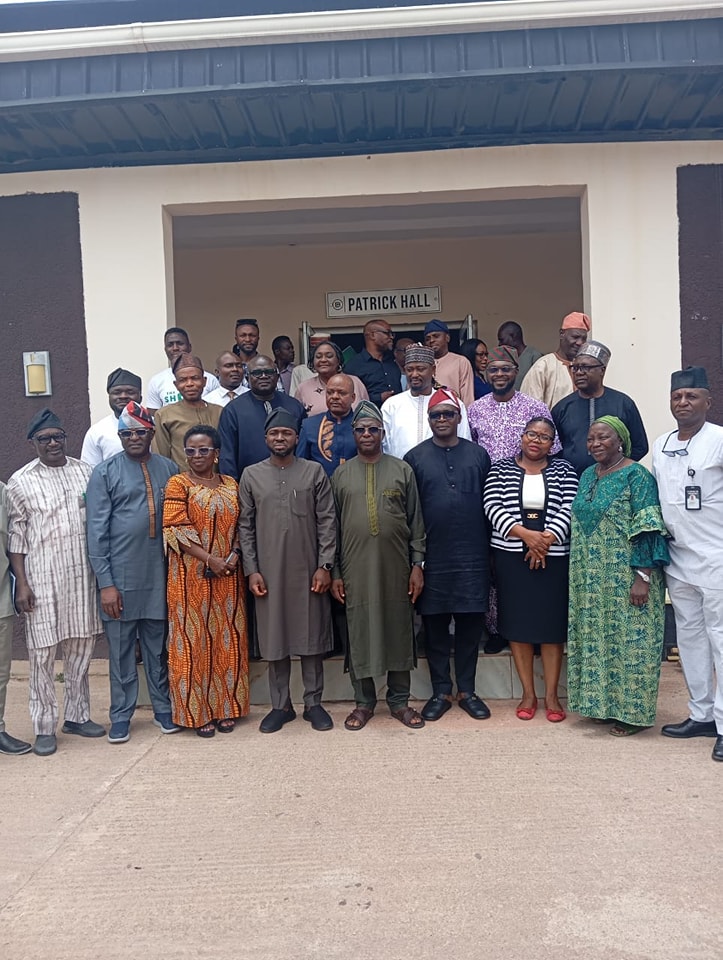
The strategic roadmap aims to insulate the state’s economy, agriculture, and natural resources from the volatile shifts in global weather patterns.
Governor Caleb Mutfwang, speaking on Friday at the Crispan Suites and Events Centre in Jos, reaffirmed that climate change response has been elevated to a key pillar of governance. The Governor, represented by his Chief of Staff, Bldr. Jeremiah Satmak, described the new policy as a vital framework that aligns Plateau State with international mitigation standards.
A Strategic Call to Action
During the unveiling, the Governor emphasized that the success of the five-year plan hinges on collective responsibility. He urged private sector players and international donors to bridge the gap between policy and practice.
“This policy is a strategic framework to align Plateau State with global efforts. We call on all stakeholders, corporate organizations, and development partners to actively support the implementation of this plan in efforts to mitigate the impact of climate change,” Mutfwang stated.
Escalating Environmental Risks
The Commissioner for Environment, Climate Change, and Mineral Development, Hon. Peter Kanang Gwom, provided a somber assessment of the state’s current ecological health.
He noted that the past decade has seen a sharp increase in heat waves, desertification, and irregular rainfall, which have placed immense strain on local livelihoods.
Gwom warned that without the structured intervention provided by this new policy, the state faces significant risks to food systems, water resources, and overall societal stability. He highlighted that the unpredictable flooding and biodiversity loss currently witnessed across the 17 Local Government Areas (LGAs) are direct consequences of global atmospheric changes that require immediate localized action.
Inclusive Governance and Implementation
The 2026–2030 Action Plan is the result of an extensive participatory process. According to the Ministry, consultations were held across all 17 LGAs, ensuring that the voices of women, youth, and persons living with disabilities were integrated into the final document.
The framework establishes new legal and institutional mechanisms to enforce climate-resilient infrastructure standards. It also introduces incentives for businesses and communities that adopt sustainable practices. Hon. Gwom reaffirmed the Ministry’s commitment to “strong institutional coordination and sustained stakeholder engagement” to ensure the roadmap yields tangible results.
Broad-Based Institutional Support
The launch saw a groundswell of support from various sectors, with goodwill messages delivered by the Plateau State House of Assembly, the Gender and Equal Opportunities Commission, ALGON, and ACreSAL.
The event concluded with the formal unveiling of the policy document, marking the official commencement of a new era in Plateau State’s environmental management and sustainable development strategy.
Share this


