
By MAYOWA adeniran |
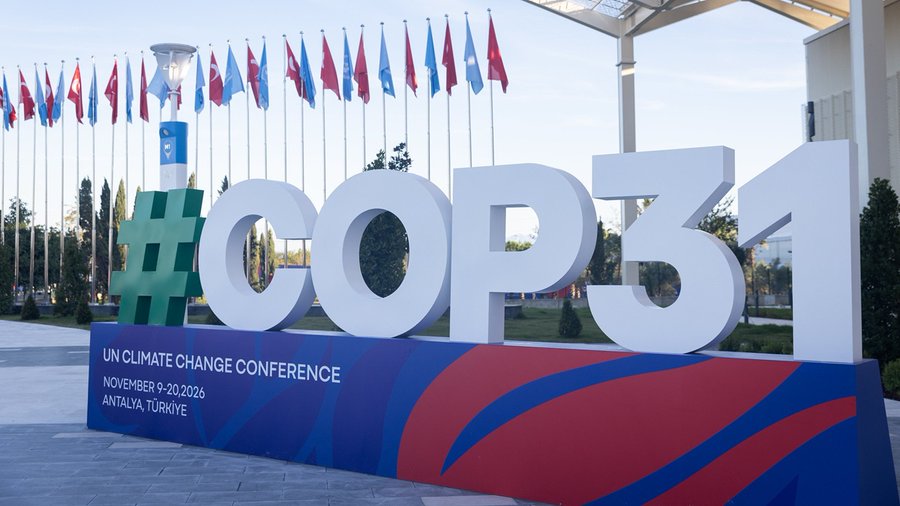
The Pan African Climate Justice Alliance (PACJA) has condemned the collapse of negotiations at the 31st United Nations Climate Change Conference (COP31) in Antalya, Türkiye, demanding stronger climate financing commitments and accountability for fossil fuel emissions ahead of the next global climate summit in Ethiopia.
The alliance expressed disappointment over the failure of participating countries to reach an agreement after nearly 44 hours of extended negotiations, which ended in a stalemate on Sunday, November 22, 2026, following the rejection of the proposed final agreement.
In a statement issued on Sunday, PACJA said rejecting what it described as an empty and fossil-fuel-friendly agreement was preferable to accepting a deal that undermined the interests of vulnerable communities, particularly across Africa.
The organisation faulted the proposed agreement for removing explicit commitments to transition away from fossil fuels, weakening adaptation financing provisions and failing to establish a properly funded Just Transition Mechanism.
PACJA Rejects COP31 Draft Deal, Blames Rich Nations for Negotiation Breakdown
Reacting to the development, PACJA Executive Director, Dr Mithika Mwenda, said the collapse of negotiations exposed the influence of historical emitters and fossil fuel interests in shaping global climate commitments.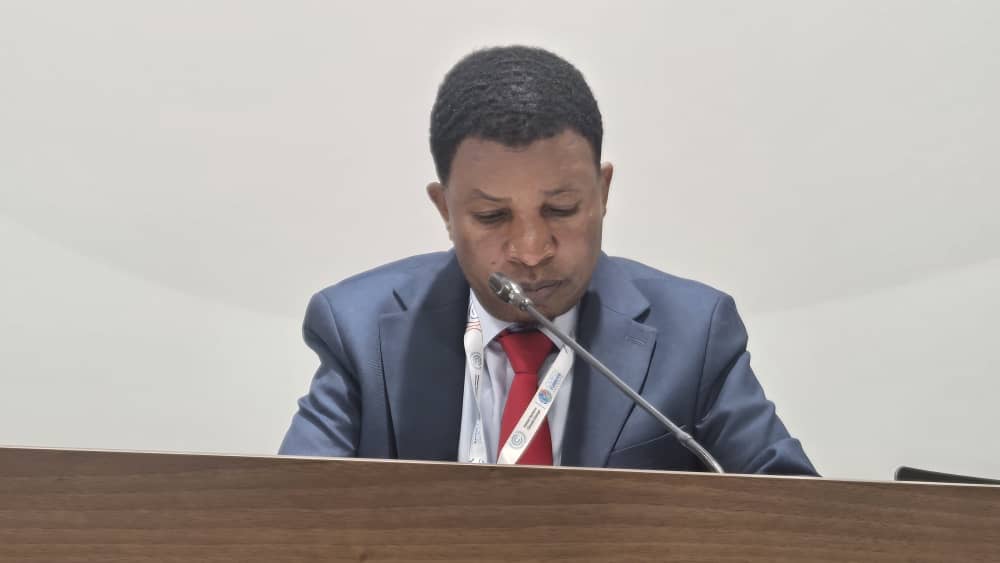 Mwenda argued that developing countries should not be expected to accept an agreement that removes commitments on fossil fuel transition, fails to guarantee adaptation financing and reduces the Just Transition Mechanism to a platform without adequate financial resources.
He described the breakdown as a setback for global climate diplomacy but maintained that rejecting the proposed agreement prevented what he considered a dangerous reversal of previous climate commitments.
PACJA also commended African negotiators and ministers for maintaining their position against what it described as top-down sectoral mandates and declarations without adequate funding.
Alliance Demands $120bn Adaptation Finance, Stronger Fossil Fuel Commitments
The alliance identified four major areas of disagreement that contributed to the breakdown of negotiations, including the removal of explicit fossil fuel transition commitments, inadequate adaptation financing, the failure to establish a properly funded Just Transition Mechanism and unilateral climate-related trade restrictions.
On fossil fuels, PACJA criticised the proposed agreement for removing clear language on transitioning away from fossil fuels while promoting carbon capture, utilisation and storage technologies and electrification targets without sufficiently anchoring them to a genuine renewable energy transition.
On climate financing, the organisation faulted wealthy nations for failing to maintain a proposed annual adaptation finance floor of $120 billion by 2035, despite developing countries facing adaptation needs exceeding $300 billion annually.
It also criticised developed countries for resisting the establishment of a properly constituted and adequately funded Just Transition Mechanism capable of supporting clean energy access, green industrialisation and workers’ protection in developing countries.
Additionally, PACJA raised concerns over unilateral climate-related trade measures, including carbon border taxes, arguing that such policies could penalise African exports and reduce the financial and policy space available to African economies to address climate challenges.
Africa Urged to Present United Front Ahead of COP32 in Addis Ababa
With Ethiopia scheduled to host COP32 in Addis Ababa in November 2027, PACJA warned that Africa must prepare to address unresolved climate commitments rather than allow the continent to inherit the consequences of the failed negotiations in Antalya. Dr Augustine B. Njmanshi, Chair of PACJA’s Political and Technical Affairs Committee and Executive Director of the African Coalition for Sustainable Energy and Access (ACSEA), described the outcome of COP31 as a wake-up call for African governments and the international community.
Njmanshi urged African leaders not to depend solely on unfulfilled international climate commitments, calling for the mobilisation of domestic and regional resources to protect the continent’s ecosystems and vulnerable communities.
He also called for a united African position ahead of the next summit, insisting that the continent must demand enforceable public financing commitments and genuine climate justice.
PACJA maintained that African governments must strengthen regional cooperation and develop a common position to address the outstanding issues before COP32, particularly climate financing, fossil fuel accountability and support for communities affected by climate change.
The alliance urged participating countries to use the months leading to the next summit to rebuild trust through concrete actions rather than unfulfilled promises, stressing that the protection of vulnerable communities must remain central to global climate negotiations.