

In a move to combat the surging wave of diet-related non-communicable diseases (NCDs), the National Agency for Food and Drug Administration and Control (NAFDAC) has secured firm backing from key stakeholders to implement stringent sodium reduction regulations.
During a high-level engagement held in Lagos on Wednesday, April 1, 2026, the Corporate Accountability and Public Participation Africa (CAPPA) reaffirmed its commitment to supporting NAFDAC’s mandate. The collaboration aims to curb the excessive salt intake currently fueling a health crisis across the federation.
A Unified Front for Public Safety
Addressing the assembly, Akinbode Oluwafemi, Executive Director of CAPPA, praised the agency’s leadership for prioritizing the lives of citizens over industrial convenience.

“We stand with NAFDAC and will continue to do so as you take difficult but necessary decisions to protect the health of Nigerians,” Oluwafemi stated. “I want to assure you of our commitment to advocacy that strengthens public health.”
emphasized that the initiative is a proactive response to the global rise in hypertension, cardiovascular diseases, and stroke.
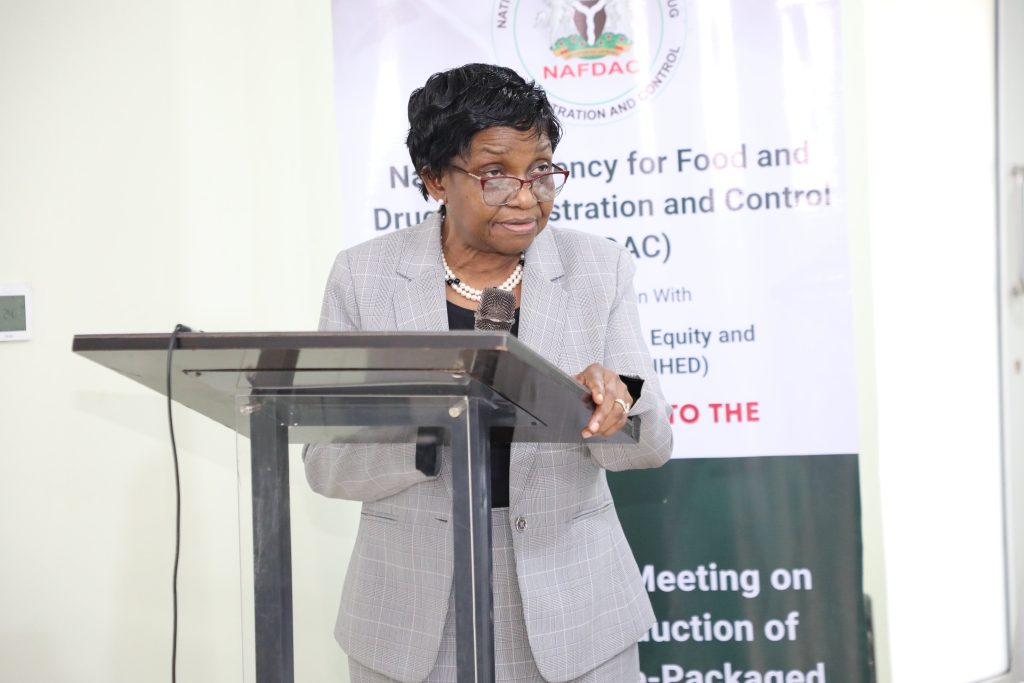
She noted that the agency’s primary goal is to strengthen Nigeria’s food regulatory framework to ensure that pre-packaged foods no longer pose a silent threat to consumers.
The Rising Toll of NCDs
The urgency of the new regulations was highlighted by Dr. Jerome Mafeni, Technical Advisor for the Network for Health Equity and Development (NHED). He warned that NCDs are no longer exclusive to the elderly, noting a disturbing increase in incidences among younger populations, which threatens the country’s socio-economic future.
To address this, the National Sodium Reduction Guideline, launched in 2025, has set a clear roadmap for the industry. The policy mandates a reduction in average daily sodium intake to under 2 grams per person the equivalent of 5 grams of salt by the year 2030.
Global Support for National Targets
The initiative has drawn significant praise from international health bodies, including the World Health Organisation (WHO) and Resolve to Save Lives (RTSL). These partners described the engagement as a “timely and critical” step toward achieving a 25 per cent reduction in hypertension prevalence nationwide.
As NAFDAC moves forward with these regulations, global health advocates are urging the Federal Ministry of Health and Social Welfare to maintain its leadership in enforcing these standards, ensuring that the salt content in Nigeria’s food supply aligns with international safety benchmarks.
Share this


