

A coalition of community leaders, government officials, and civil society organizations have launched a coordinated push to overhaul female education in Borno State. Convened by civic tech organization BudgIT Nigeria, the high-level stakeholder meeting in Maiduguri aimed to address the severe deficits keeping young girls out of the classroom.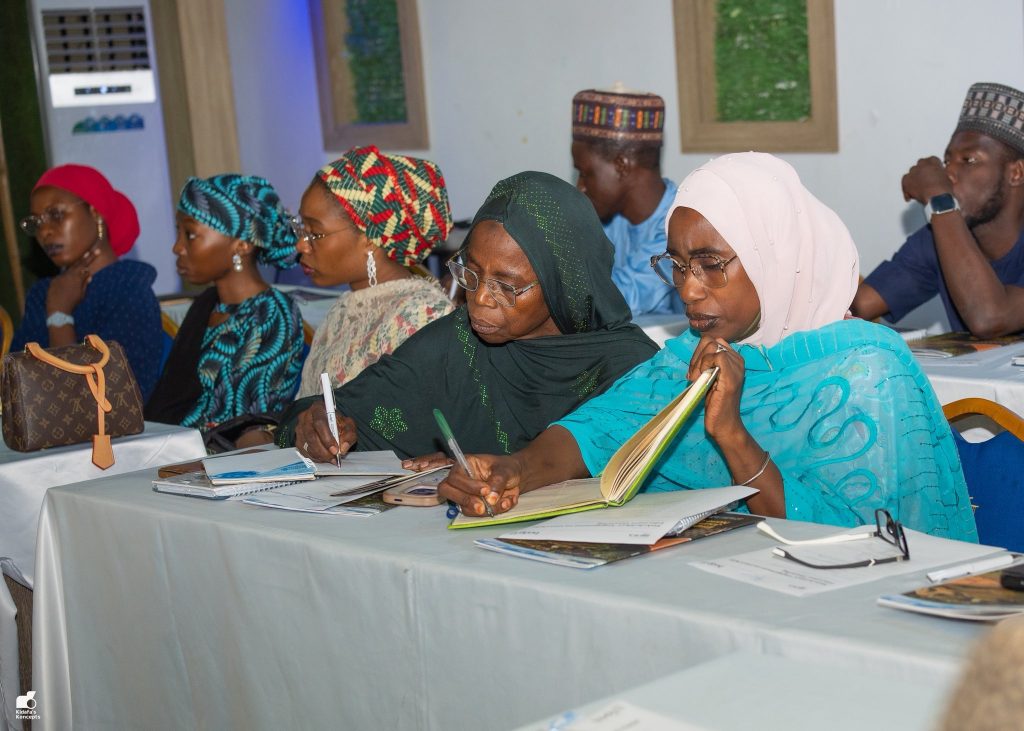
Operating under the banner of the Education Champion Network (ECN) Project, which is actively supported by the Malala Fund, the assembly brought together education agencies, traditional rulers, religious leaders, and grassroots advocates. The singular objective of the summit was to design actionable blueprints that guarantee young girls can not only access but successfully complete their education in the region.
Confronting the Realities on the Ground
The systemic roadblocks preventing female literacy in the state took center stage during the deliberations. Participants engaged in intense debates regarding the intersection of regional instability and socio-economic hurdles that disproportionately target young women.
According to a statement released by the organizers, the summit refused to gloss over the deep-seated cultural and structural challenges embedded in the region. “From poverty and insecurity to early marriage and cultural barriers, participants did not shy away from the realities affecting girls across Borno State,” the organization noted, emphasizing that the focus remained on discovering practical, collective solutions rather than merely cataloging grievances.
A Blueprint for Funding and Infrastructure
To combat these intersecting crises, the ECN network established a multi-pronged strategy prioritizing smarter and more transparent education funding. Attendees argued that current financial allocations must be shielded from corruption and directed precisely where they are needed most: the classrooms and the safety of the students.
The roadmap heavily emphasizes community-led accountability, putting local voices at the center of monitoring school resources. By empowering towns and villages to oversee their own academic institutions, the coalition hopes to fast-track the deployment of better school infrastructure and learning environments, while simultaneously building robust support systems for vulnerable learners who are otherwise forced to drop out.
The Path Forward Through Accountability
The summit concluded with a unanimous consensus that isolated efforts are no longer enough to move the needle for female literacy in Northeast Nigeria. To ensure sustainable progress, the network is demanding tighter state-level coordination to track student retention and graduation rates over the coming school years.
Organizers stressed that the Maiduguri convention was just the opening salvo in a long-term campaign for institutional reform. “The engagement reinforced a clear direction: stronger collaboration, better accountability, and sustained commitment are key to improving access, retention, and completion rates for girls’ education in the state,” BudgIT affirmed, signaling that monitoring frameworks will be deployed immediately to ensure these commitments translate into reality.
Share this