
Deepfakes, artificial intelligence (AI)-generated content and manipulated information have emerged as growing threats to the credibility of Nigeria’s 2027 general elections, with stakeholders warning that these technologies could be used to mislead voters and undermine public trust in the electoral process.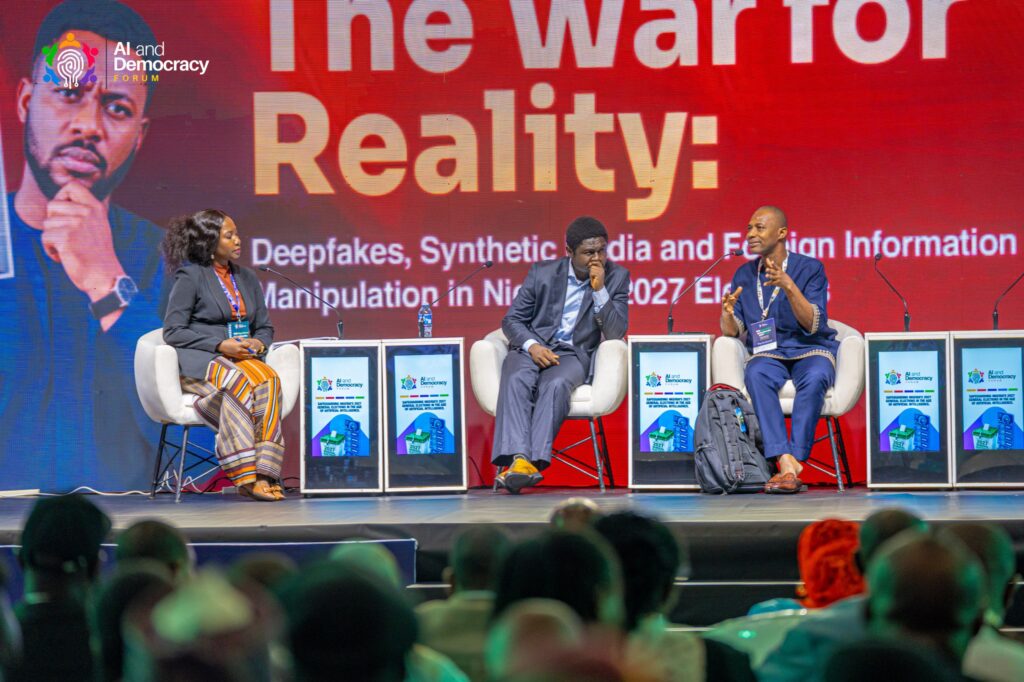
The concerns were raised during the third plenary session titled “The War for Reality: Deepfakes, Synthetic Media, and Foreign Information Manipulation in Nigeria’s 2027 Elections.” Discussions focused on how emerging technologies could be exploited to impersonate political candidates and election officials, spread false information and distort public understanding of electoral events.
The session brought together media, digital investigation and media literacy experts to examine the growing risks posed by AI-driven misinformation ahead of the 2027 elections.
Experts Examine Risks of AI-Generated Misinformation
The plenary was moderated by Dr. Milliscent Nnwoka, Head of Communications at Yiaga Africa. Other speakers were David Ajikobi, Nigeria Editor at Africa Check; Silas Jonathan, Digital Investigations Manager at DAIDAC-CJID; and Prof. Suraj Olunifesi, Global Co-lead of the UNESCO University Network, MILID.
The discussions highlighted how deepfakes and synthetic media could make it increasingly difficult for Nigerians to distinguish authentic electoral information from manipulated content, particularly as political activities intensify ahead of the polls.
The speakers also examined the broader implications of foreign information manipulation and the potential for misleading content to influence voters, damage the reputations of candidates and weaken confidence in electoral institutions.
Fact-Checking and Media Literacy Key to Election Integrity
Participants highlighted the importance of fact-checking, digital verification tools and media literacy in helping citizens identify false or manipulated information.
They also emphasised the need for greater accountability from technology platforms in addressing the spread of misleading content, particularly material capable of influencing public opinion during the election period.
As AI tools become more accessible, the ability to verify the source, context and authenticity of images, videos, audio recordings and other digital content will remain essential to credible election reporting and informed public participation.
Stakeholders Face Task Ahead of 2027 Elections
The discussions underscored the need for coordinated action among electoral institutions, media organisations, civil society groups and technology companies to protect the integrity of information available to voters.
With the 2027 general elections approaching, efforts to tackle deepfakes and information manipulation will be important in ensuring that Nigerians can access reliable electoral information and make informed decisions at the ballot box.
The challenge, stakeholders noted, extends beyond detecting false content to building public awareness and strengthening the systems responsible for producing, verifying and distributing credible information.
Share this


