

In a major step forward for public health logistics, the Africa Centres for Disease Control and Prevention (Africa CDC), in partnership with the World Health Organization Regional Office for Africa (WHO AFRO) and the Ugandan government, has officially launched the Continental Ebola Supply Chain Coordination Mechanism.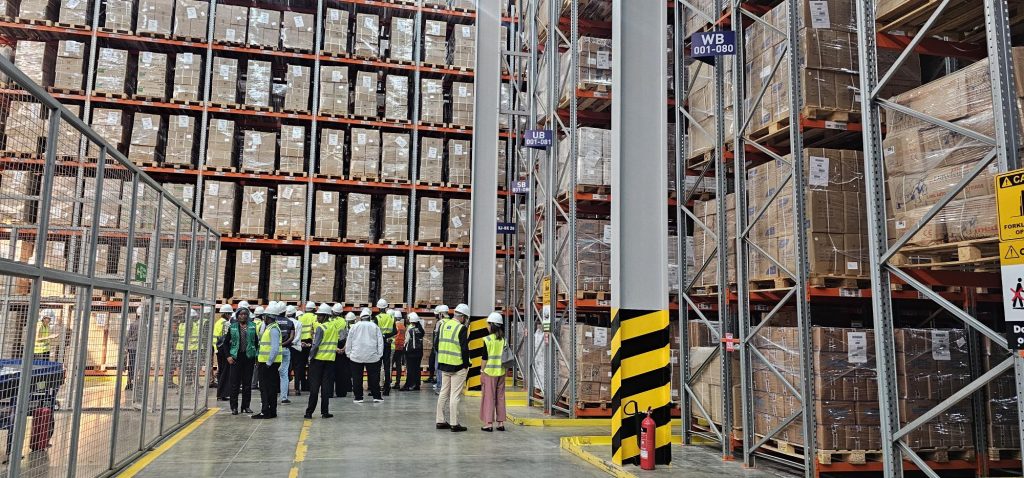
The landmark initiative was unveiled in Entebbe alongside the activation of the Joint Continental Incident Management Support Team (IMST), marking a highly coordinated effort to streamline outbreak responses across the continent.
Strengthening Regional Medical Logistics
The newly established regional logistics hub is designed to transform how African nations prepare for and respond to Ebola outbreaks. Operating out of Entebbe, the mechanism will directly support both affected and at-risk countries by centralizing essential logistics. It will oversee critical operations including demand forecasting, stock visibility, customs clearance, warehousing, and transportation, ensuring the rapid deployment of lifesaving medical countermeasures to areas in urgent need.
Speed, Efficiency, and Accountability
By bridging gaps in the current emergency response framework, the hub establishes a unified platform that connects governments, technical agencies, logistics partners, and humanitarian organizations. This collaborative approach aims to eliminate bureaucratic bottlenecks and supply shortages during health crises.
“The new regional logistics hub will support affected and at-risk countries by coordinating forecasting, stock visibility, customs clearance, warehousing, transportation and the rapid deployment of lifesaving medical countermeasures,” the Africa CDC stated, emphasizing that the platform will help ensure critical supplies reach frontline responders faster, more efficiently, and with greater accountability.
Empowering Frontline Responders
The integration of this supply chain mechanism represents a shift toward proactive African-led health security. With enhanced monitoring and streamlined distribution networks, the initiative ensures that healthcare workers on the ground will no longer face dangerous delays for personal protective equipment, therapeutics, and vaccines, ultimately safeguarding communities and containing outbreaks before they escalate.
Share this