
In a major step toward continental self-reliance, the Africa Centres for Disease Control and Prevention (Africa CDC) has officially delivered a massive consignment of essential healthcare equipment worth USD 7.8 million to Egypt. The initiative aims to fortify the country’s national health capacities, ensuring adequate preparedness for future medical emergencies.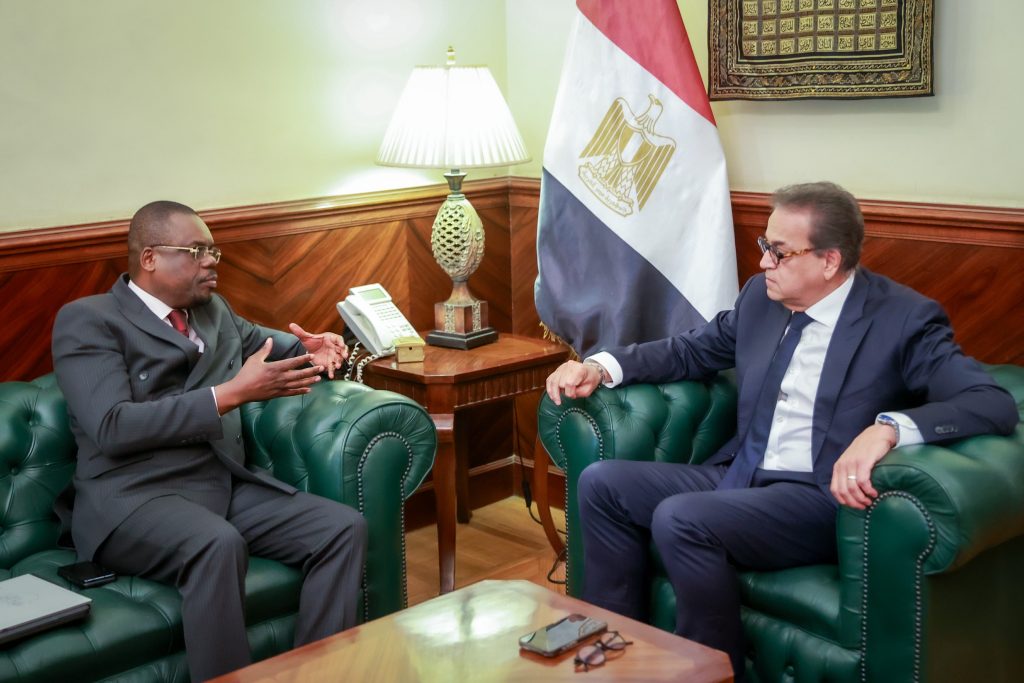
The multimillion-dollar delivery is part of the Saving Lives and Livelihoods (SLL) initiative, a landmark partnership between the Africa CDC and the Mastercard Foundation. This collaborative effort underscores a unified strategy to build a resilient healthcare framework across the continent.
“Achieving the Africa Health Security and Sovereignty (AHSS) is a shared commitment between Africa CDC and the member states we serve,” the Africa CDC stated in an official release. “This we do through strengthening core National capacities to promote adequate preparedness.”
Upgrading Egypt’s Medical and Cold Chain Infrastructure
Procured in coordination with UNICEF, the extensive medical package is designed to address critical gaps in logistics, data handling, and waste management. The equipment will be distributed directly to frontline healthcare facilities across all governorates in Egypt.
The comprehensive support package includes 41 vehicles dedicated to scaling up last-mile vaccine distribution and providing essential supportive supervision. To modernize data infrastructure, Egypt received an array of desktops, laptops, tablets, and printers designed to streamline health data management. Furthermore, 100 new refrigerators will expand the nation’s medical cold chain capacity, ensuring vaccines remain viable in remote areas.
Advancing Waste Management and Personnel Training
Beyond logistics and technology, the $7.8 million investment focuses heavily on environmental safety and workforce development. The procurement includes five specialized medical waste disposal facilities equipped with industrial shredders to safely manage biohazardous materials.
To ensure the sustainability of these new assets, the initiative has successfully trained 324 healthcare providers on advanced vaccine handling and medical waste management. This multi-layered approach is expected to significantly enhance Egypt’s immunization services, stabilize its cold chain infrastructure, and vastly improve overall health data quality.
Share this