

A major new analysis from the World Health Organization (WHO) reveals that nearly four in ten cancer cases diagnosed worldwide in 2022 could have been prevented by addressing known risk factors.
The study, led by WHO’s International Agency for Research on Cancer (IARC), estimates that 37% or about 7.1 million of new global cancer cases were linked to modifiable causes such as tobacco, alcohol, infections, air pollution, and obesity. Released ahead of World Cancer Day on 4 February, the research identifies tobacco as the leading preventable cause, responsible for 15% of all new cancer cases, followed by infections at 10% and alcohol at 3%.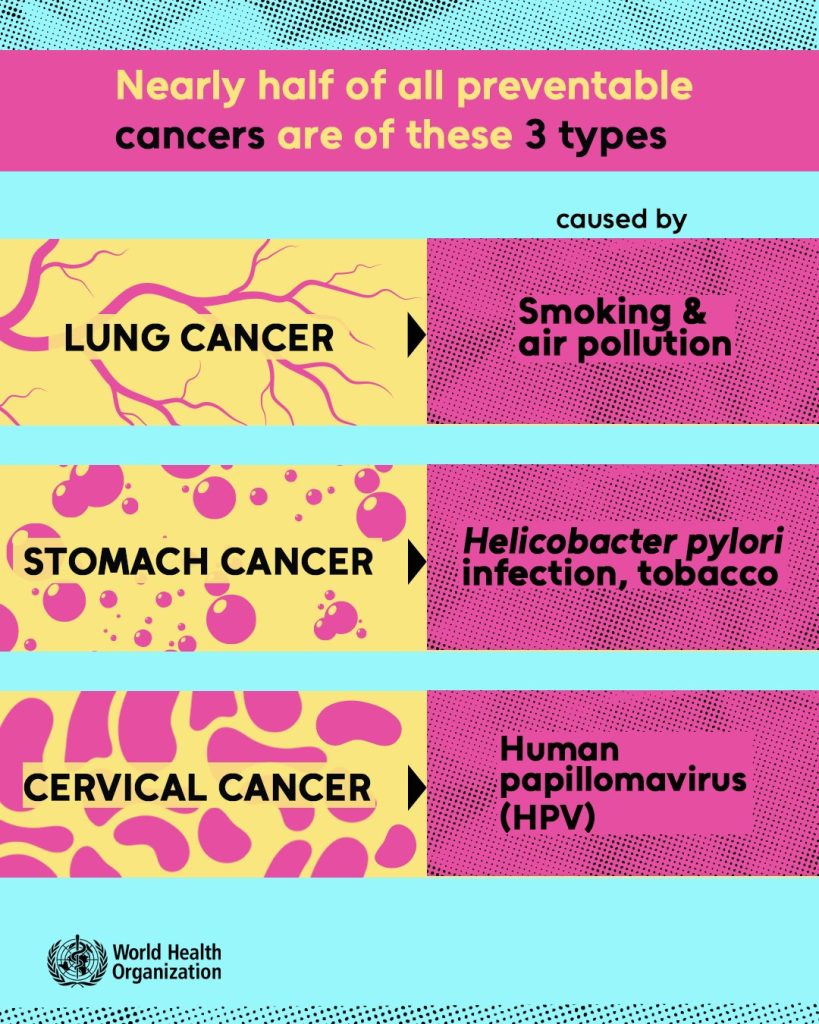
“This is the first global analysis to show how much cancer risk comes from causes we can prevent,” said Dr. André Ilbawi, WHO Team Lead for Cancer Control and an author of the study. “By examining patterns across countries and population groups, we can provide governments and individuals with more specific information to help prevent many cancer cases before they start.”
The report highlights significant differences by gender and region. Preventable cancer was more common in men (45% of new cases) than in women (30%). Smoking alone accounted for 23% of cancers in men. Among women, infections such as human papillomavirus (HPV) were the leading preventable cause. Regional disparities were also stark: preventable cancers in men ranged from 28% in Latin America to 57% in East Asia.
Dr. Isabelle Soerjomataram, Deputy Head of the IARC Cancer Surveillance Unit and senior author, called the findings a powerful call to action. “Addressing these preventable causes represents one of the most powerful opportunities to reduce the global cancer burden,” she said.
The study recommends stronger tobacco and alcohol control, expanded vaccination against infections like HPV and hepatitis B, cleaner air policies, safer workplaces, and environments that promote healthy eating and physical activity. Such measures, the report argues, could spare millions from cancer and reduce long-term healthcare costs.
First published by World Health Organization (WHO)
Share this


