

In the wake of the recent incident in Maiduguri, the World Health Organization (WHO) has mobilized an emergency response to bolster the Borno State Government’s efforts in providing lifesaving medical care. As the region grapples with the aftermath, the priority remains the swift delivery of support to those in the most vulnerable conditions.
Emergency Supplies Reach Frontline Facilities
To address the immediate medical needs, the WHO has delivered a comprehensive shipment of essential emergency supplies. The package includes four trauma kits, intravenous (IV) fluids, antibiotics, and critical medicines designed to treat acute injuries and prevent the spread of infections.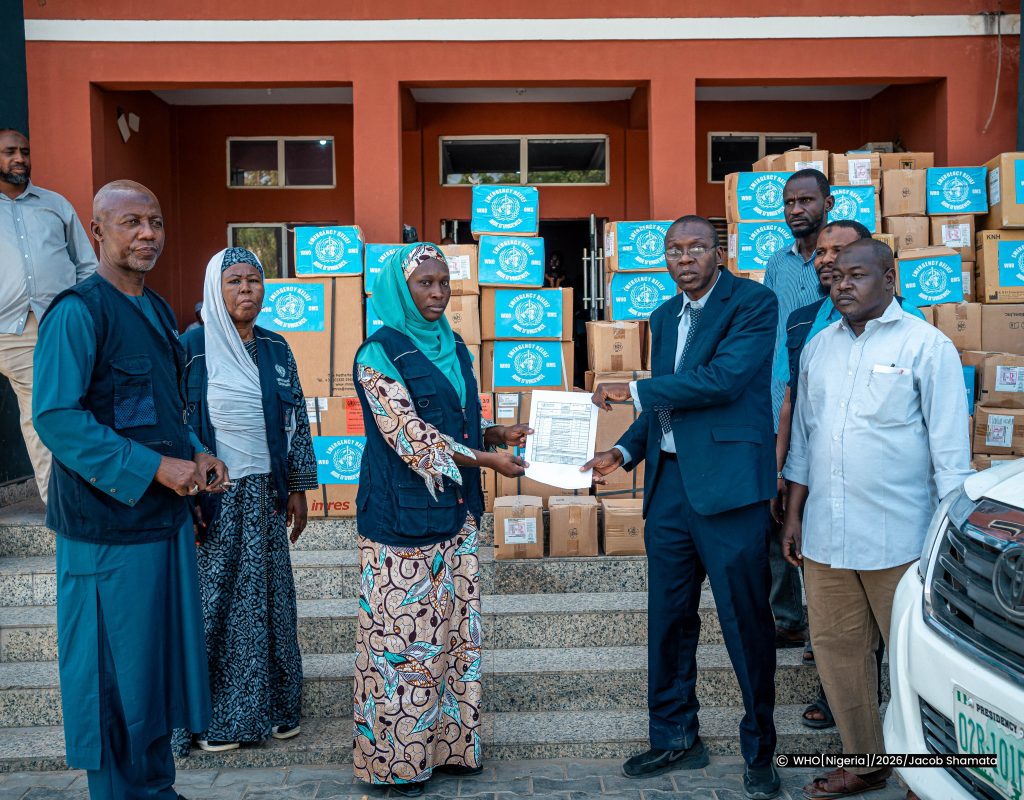
These resources are currently being utilized at the University of Maiduguri Teaching Hospital (UMTH), where medical teams have already stabilized and treated 120 patients. This influx of supplies is credited with helping the facility maintain its surge capacity during the height of the crisis.
Strengthening the Healthcare Pipeline
Beyond the delivery of physical goods, the WHO is working closely with partners and donors to strengthen referral pathways. By optimizing how patients are moved from incident sites to specialized centers, the organization is ensuring that those with critical injuries receive rapid, high-level treatment.
“In moments of crisis, lifesaving care depends on how quickly support reaches those who need it most,” as posted on X. “We stand with the people of Maiduguri and the frontline health workers responding under difficult conditions to ensure families can stay together.”
A Unified Response
The ongoing collaboration between the Borno State Government, international donors, and health partners aims to not only treat the injured but also protect affected communities from secondary health risks. Teams remain on the ground to monitor the situation and adjust the flow of resources as the recovery phase begins.
Share this


