
In a decisive move to strengthen the nation’s health sector, the World Health Organization (WHO) Nigeria has initiated a major drive to advance integrated service delivery across the country. The initiative aims to ensure that citizens can access comprehensive medical treatments in a singular location, effectively restructuring the landscape of grassroots medicine.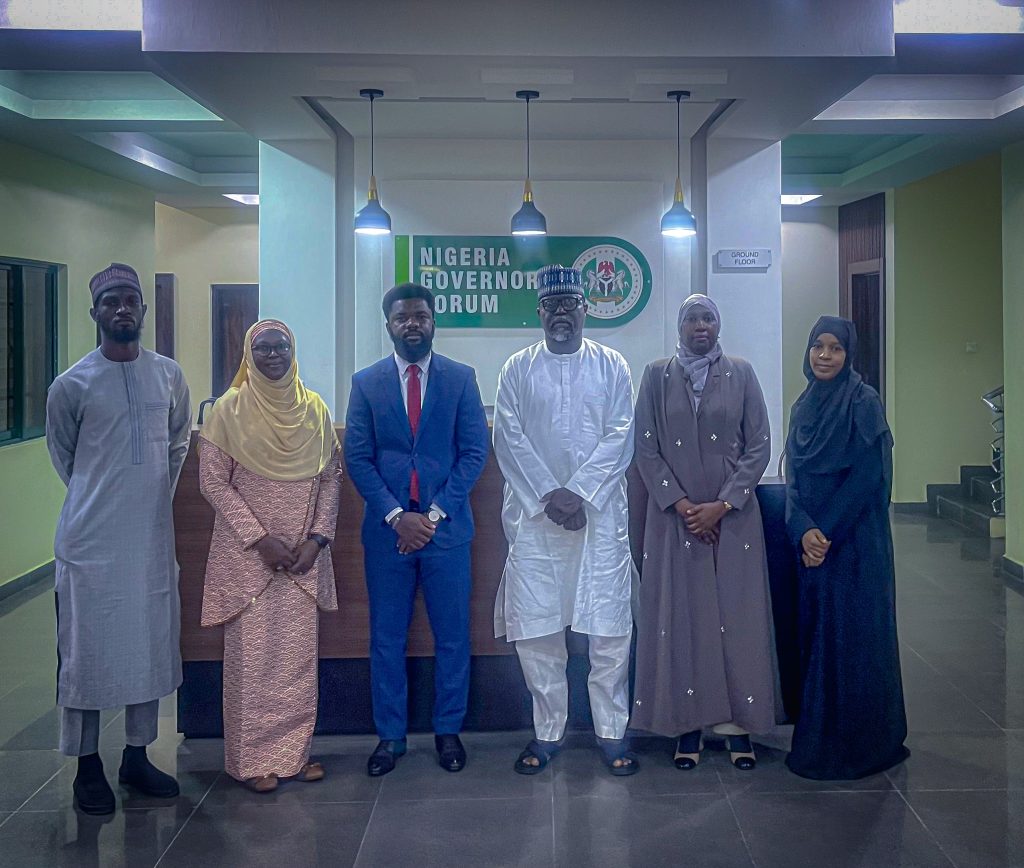
According to an official statement released by the global health body, the shift toward a unified medical approach is vital for saving lives and optimization of resources.
“Every Nigerian should be able to access the health services they need in one place. Integrated care reduces missed diagnoses, saves families time, and brings essential services closer to communities,” WHO Nigeria stated.
A Strategic Alliance for Vulnerable Populations
The sweeping healthcare reform is being executed with financial backing from the Global Fund. To ensure seamless implementation on the ground, WHO Nigeria is working in close partnership with the Clinton Health Access Initiative (CHAI) and Jhpiego. Together, these organizations are supporting the Federal Ministry of Health to merge treatment channels for Communicable Diseases with Sexual and Reproductive Health and Rights (SRHR).
This targeted intervention is specifically designed to uplift the standard of care for highly vulnerable demographics. The project organizers have confirmed that primary beneficiaries will include pregnant women, people living with HIV (PLHIV), adolescents, young individuals, and key populations. By creating a centralized care system, the initiative seeks to eliminate the fragmented treatment models that previously forced patients to visit multiple clinics for related ailments.
Targeted Implementation Across Four States
The operational rollout of the integrated healthcare model is currently targeting four priority states: Anambra, Ebonyi, Kwara, and Gombe. These regions will serve as the critical testing grounds for the new infrastructure before potential nationwide scaling. By focusing on these distinct geographical zones, the partnership aims to build resilient, local medical frameworks capable of sustaining high-quality, people-centred care.
Mobilizing Political Commitment at the Grassroots
Recognizing that structural change requires deep political backing, the WHO has actively engaged two of Nigeria’s most influential governance structures to secure long-term commitment.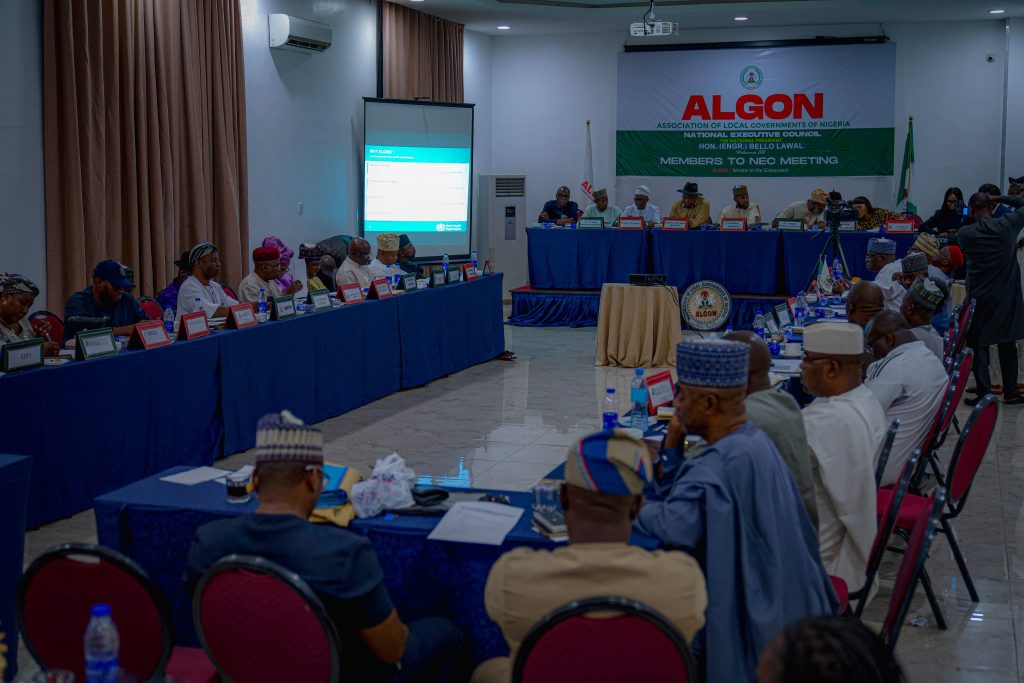
The health body recently held high-level talks with the Association of Local Governments of Nigeria (ALGON). During this session, more than 30 State Chairmen and national leaders deliberated on strategic frameworks to guarantee that integrated medical services successfully penetrate local communities to reach the last mile.
Simultaneously, the WHO took its advocacy to the Nigeria Governors’ Forum (NGF) Secretariat. Top representatives presented a comprehensive blueprint of the integrated service delivery model, offering the governors a clear roadmap to strengthen primary healthcare systems within their respective states. Through these dual diplomatic engagements, the project intends to fuse clinical execution with robust political ownership, driving Nigeria closer to achieving universal, community-focused healthcare for all citizens.
Share this


