
As the global community marks World Health Day 2026 under the theme “Together for health. Stand with science,” Nigeria and the World Health Organization (WHO) are positioning the nation as a continental leader in evidence-based medicine.
By bridging the gap between scientific research and grassroots implementation, the nation is reporting transformative gains in disease eradication and maternal-child health.
Central to this shift is the Nigeria Health Sector Renewal Investment Initiative (NHSRII), a strategic framework designed to ensure that every naira spent is backed by data. Government officials note that this science-first approach has moved beyond theory, directly fueling large-scale interventions that have reached millions of underserved citizens.

The Data-Driven Path to Eradication
Nigeria’s public health landscape is seeing a dramatic turnaround. Building on the 2020 certification of the African Region as wild poliovirus-free, the country has utilized rigorous community-based surveillance to maintain its status. Similar evidence-based strategies led to the successful elimination of Guinea worm, which has not seen a reported case in the country since 2008.
The impact is perhaps most visible in the fight against cervical cancer. Since the introduction of the HPV vaccine in 2023, the government has successfully reached over 5 million adolescent girls. This proactive measure, rooted in oncology research, aims to slash future cancer mortality rates across the federation.
Leadership Through Science
At a high-level press briefing in the capital, the Minister of State for Health and Social Welfare, Dr. Iziaq Salako, emphasized that the current administration is committed to a “results-only” methodology.
“Nigeria’s progress shows that when health decisions are guided by science and evidence, they deliver measurable improvements in people’s lives,” Dr. Salako stated. “Our priority is to sustain and scale these gains to reach every community.”
Revolutionizing Outbreak Response
In October 2025, Nigeria executed one of the largest integrated health campaigns in Africa, a massive logistical feat informed by real-time data from 19 northern states and the FCT. The campaign achieved staggering numbers, including the vaccination of 59.8 million children against measles and rubella, and reaching over 42 million infants with the novel oral polio vaccine.
This success is attributed to the deployment of Integrated Disease Surveillance and Response (IDSR) training for thousands of health workers. By using digital reporting platforms, the country has drastically reduced the time between the detection of an outbreak such as cholera or Lassa fever and the mobilization of a medical response.
Grassroots Trust and Global Partnerships
The shift toward science is also winning the battle for public trust. In Borno State, community health workers like Amina Mohammed are using scientific education to dispel myths in remote settlements. The results are seen in mothers like Usiju Yohanna, a nomad who traveled several kilometers to ensure her child was protected.
“When communities receive the right information and services, trust increases, and more families access care,” Amina noted, highlighting the human element of clinical data.
International partners have been quick to praise the Nigerian model. Dr. Pavel Ursu, WHO Representative in Nigeria, lauded the synergy between national leadership and scientific rigor.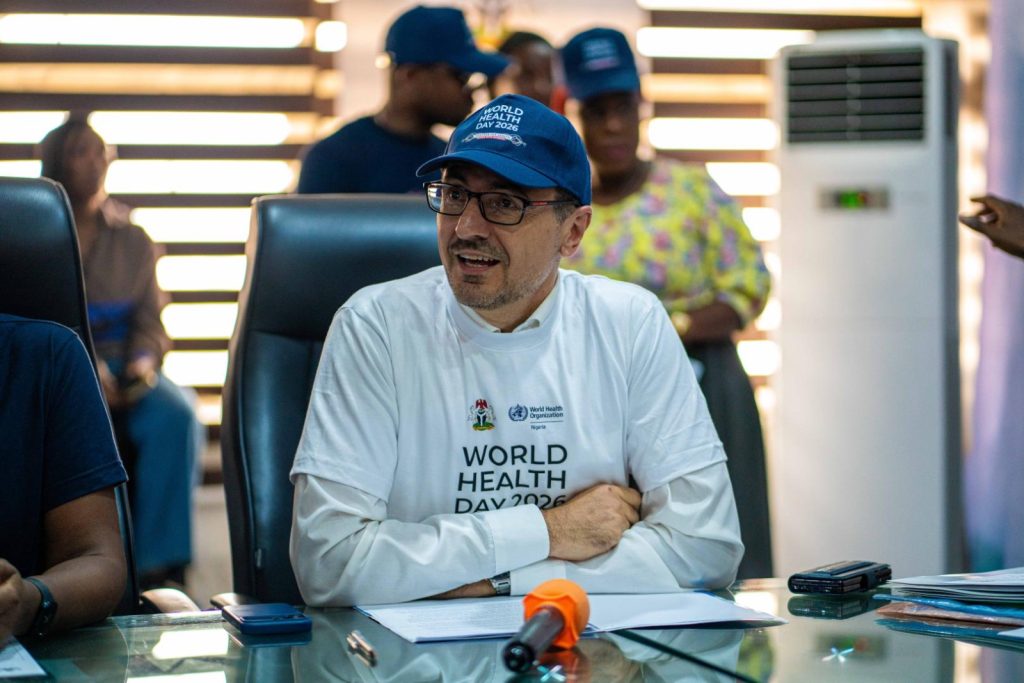
“Nigeria’s achievements show what is possible when national leadership drives evidence-based action, supported by strong partnerships,” Dr. Ursu said.“Science saves lives when it is trusted, funded, and implemented at scale.”
The Road Ahead
Despite these victories, the Ministry of Health remains vigilant against emerging threats, including climate-related health risks and the rise of non-communicable diseases. Moving forward, the government plans to further expand laboratory capacity and surveillance systems to ensure that Nigeria’s health security remains robust in an increasingly complex global environment.
Share this


