

Nigeria has taken a decisive step toward self-reliance and long-term health security with the launch of a groundbreaking Localization Project in Ogun State. The initiative marks a major investment in the country’s domestic manufacturing capabilities, aimed at reducing a critical dependency on foreign medical supplies.
Currently, a staggering 80 percent of diagnostics used across the African continent are imported, a vulnerability that this new project is specifically designed to correct. By expanding local production, the nation expects to strengthen its health infrastructure while simultaneously generating skilled employment opportunities for its citizens.
Public Health as an Economic Imperative
The shift toward domestic manufacturing is being recognized as both a vital economic driver and an urgent public health necessity. Representatives from the World Health Organization (WHO) emphasized that localizing the production of diagnostics, medicines, and essential health technologies is foundational to building resilient healthcare systems.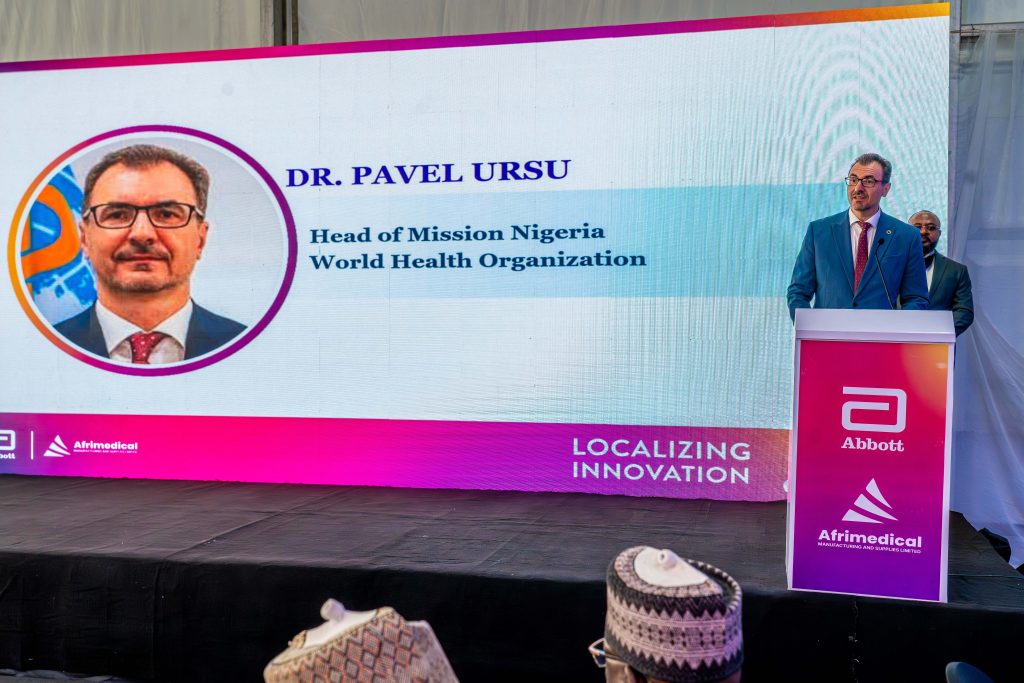
“Expanding domestic production helps ensure faster access, stronger supply chains, and better preparedness for future health emergencies,” stated Dr. Pavel Ursu during the project’s unveiling.
The new facility is also strategically positioned to support Nigeria’s ambitious national target to eliminate HIV by the year 2030 by providing steady, uninterrupted access to essential health tools.
Aligning with Regional and Global Health Goals
This milestone aligns seamlessly with Nigeria’s Healthcare Value Chain agenda and advances Africa’s broader continental goal of increasing locally produced health commodities. The initiative demonstrates the impact of combining national leadership, local innovation, and global partnerships.
To ensure the long-term viability of such projects, the WHO is actively supporting local production initiatives across the region by strengthening regulatory systems and expanding manufacturing capacity to guarantee that all locally made items meet international quality standards.
Unifying Partnerships for Sustainable Development
The successful rollout of the project underscores the importance of deep collaboration between international bodies and domestic leadership. The WHO, on behalf of the United Nations in Nigeria, has formally commended the Federal Government of Nigeria, the Presidential Value Chain Initiative, and all participating stakeholders who drove this milestone to fruition. Moving forward, the WHO remains committed to providing the technical guidance, partner coordination, and regulatory oversight necessary to build a sustainable, self-sufficient local production ecosystem in Nigeria.
Share this


