

The United Nations Industrial Development Organization (UNIDO) Regional Office for Nigeria and ECOWAS has officially commemorated the first-ever International Day of Women in Industry (IDWI). 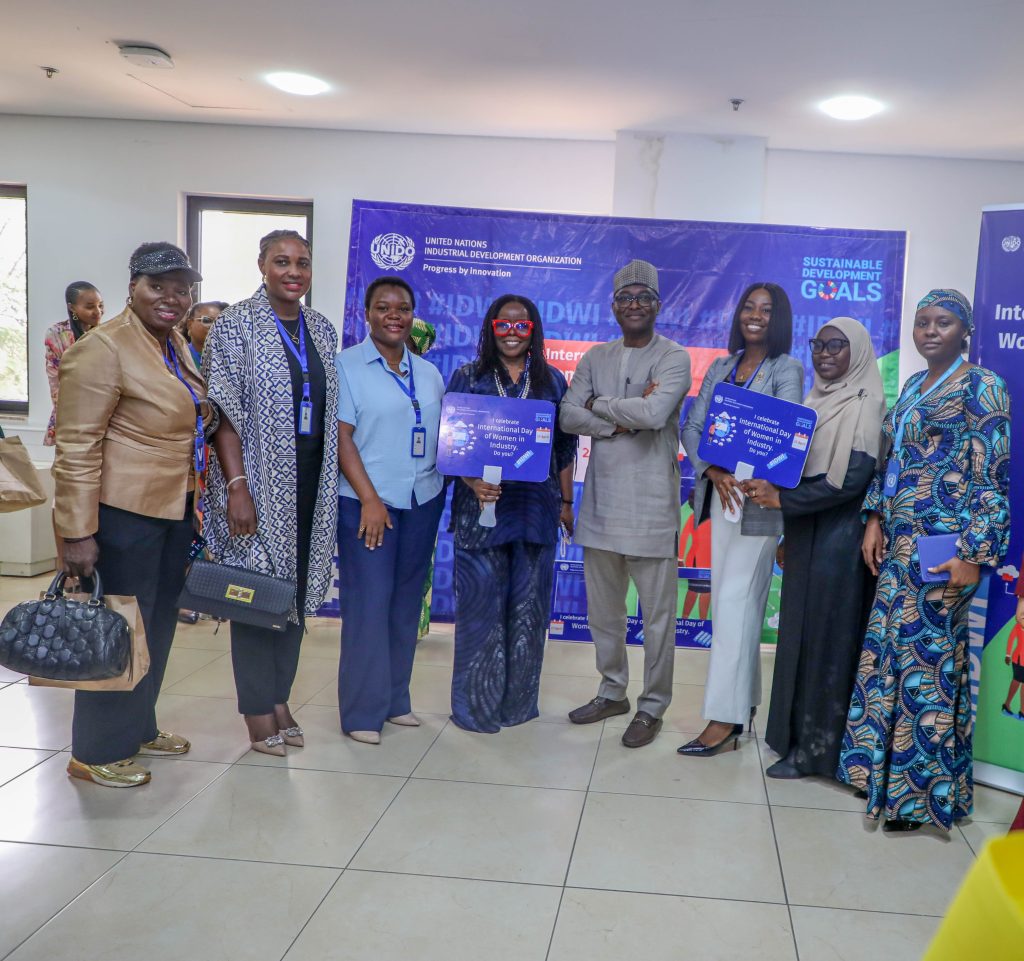
Centered on the theme “Women Shaping the Future of Industry,” the event served as a high-level platform to recognize the indispensable contributions of women to industrial development and their roles as innovators and drivers of sustainable economic growth.
Breaking Barriers and Building Influence
The celebration featured powerful testimonials from women leaders who have made significant strides within the industrial sector. Participants shared personal journeys of rising from limited resources and navigating systemic challenges, including gender bias and financial barriers, to reach positions of significant influence.
By highlighting these success stories, the IDWI aims to serve as a recurring platform to amplify women’s voices and catalyze a shift toward a more inclusive industrial transformation across the West African sub-region.
Beyond Participation: Women as Industrial Leaders
Speaking at the commemoration, the UNIDO Director and ECOWAS Representative, Amb. Philbert Abaka Johnson, reframed the narrative regarding women’s roles in the workforce.
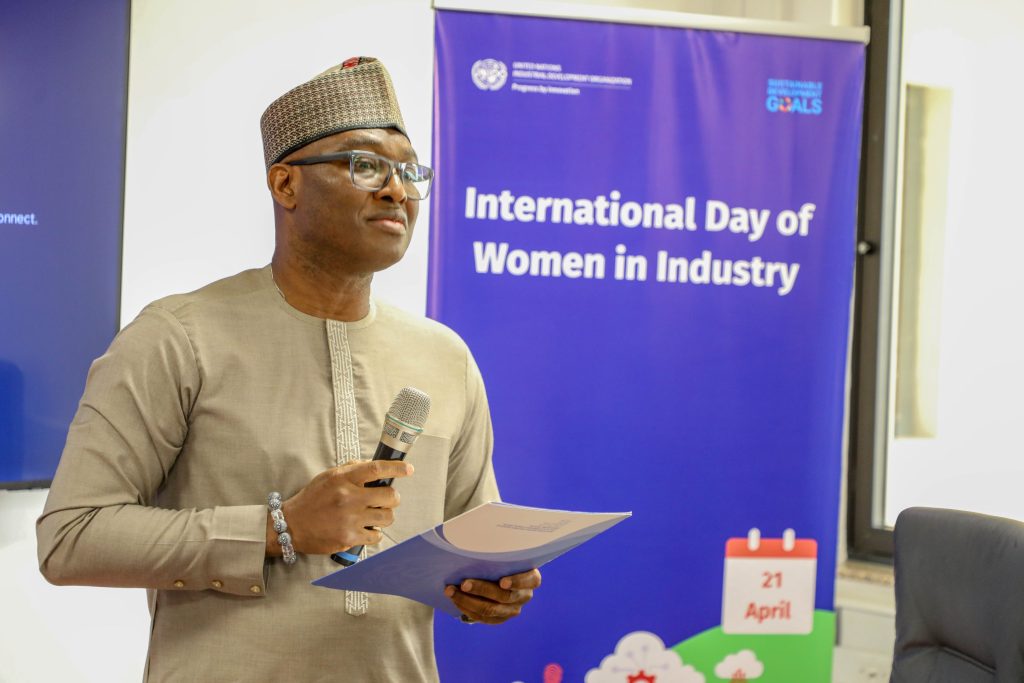
He asserted that women have moved far beyond being mere participants in the labor market to becoming the backbone of modern industrial strategy.
“Women are not just participants in industry but entrepreneurs, engineers, innovators, and leaders driving competitiveness across value chains,” Amb. Johnson stated.
A Call for Strategic Investment
Despite the progress celebrated, the event also cast a spotlight on the persistent barriers that continue to limit full gender parity in industry. Amb. Johnson emphasized that dismantling these hurdles is not merely a social obligation but a functional necessity for achieving global goals related to decent work, innovation, and economic growth.
To ensure a sustainable future, the UNIDO Representative issued a clear call to action for governments, the private sector, financial institutions, and development partners. He urged these stakeholders to prioritize investing in women as a strategic pillar for national and regional industrial development, noting that gender equality is a primary engine for industrial competitiveness.
Share this


