

In a decisive move to bolster public health defenses, high-level representatives from UNICEF and the World Health Organization (WHO) convened with the Sokoto State Government this week to overhaul the state’s immunization strategy.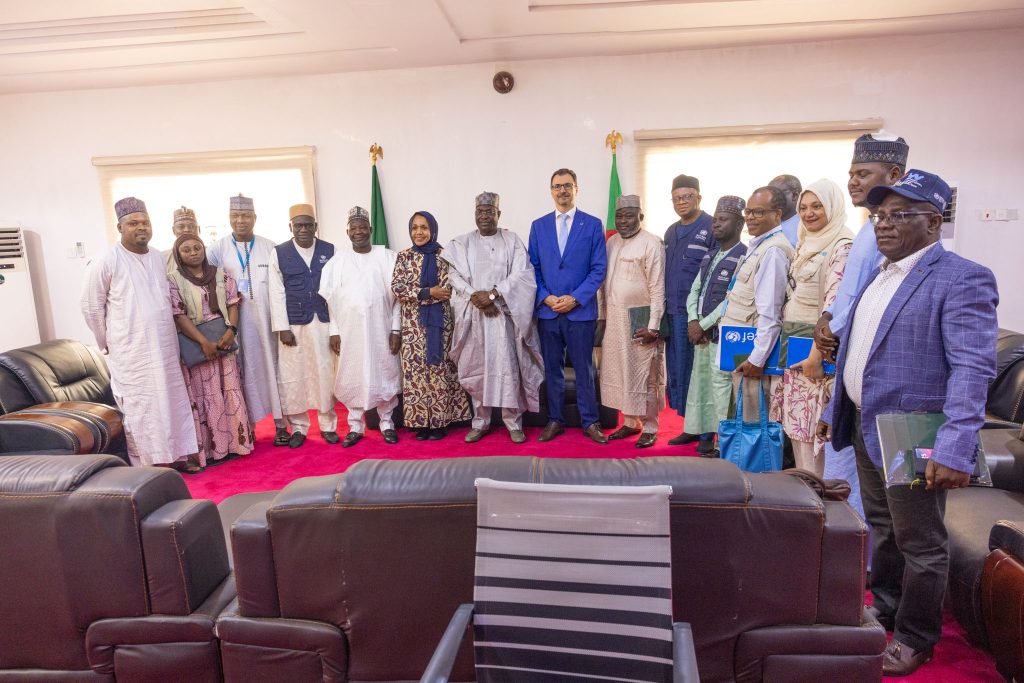
The engagement, aimed at reversing trends in vaccine-preventable diseases, centered on accelerating routine immunization and eliminating the zero-dose gap among the state’s most vulnerable populations.
The delegation met with His Excellency, Alhaji Idris Muhammad Gobir, the Deputy Governor of Sokoto State, and the Honorable Commissioner for Health to dissect current performance data. The meeting served as a critical intervention to address the persistence of polio outbreaks and ensure that children in hard-to-reach areas are no longer overlooked by the healthcare system.
Commitment to Data-Driven Healthcare
The discussions focused heavily on the practical application of evidence-based solutions. By reviewing current polio data and routine immunization metrics, the joint teams identified specific geographic and systemic bottlenecks preventing total coverage. The strategy moving forward emphasizes political leadership and data-driven action as the primary catalysts for breaking the cycle of disease outbreaks.
During the high-level exchange, officials noted that the timing of the meeting, coinciding with African Immunization Week, serves as a powerful reminder of the collective responsibility to protect the next generation. The Deputy Governor reaffirmed the state’s dedication to providing the necessary political will to ensure health workers can operate effectively across all local government areas.
A Unified Front Against Preventable Disease
The partnership highlights a reinforced synergy between the Global Polio Eradication Initiative (GPEI), the United Nations system, and the Sokoto State Government. By pooling resources and expertise, the organizations aim to create a resilient framework that sustains immunization gains even after initial outbreak responses are completed.
Strengthening the Future of Routine Immunization
Moving forward, WHO Nigeria and UNICEF Nigeria have pledged continued technical and operational support to help the state realize its health targets. The collaboration will focus on modernizing cold-chain infrastructure and enhancing community engagement to build trust in routine vaccines. This unified front remains the state’s most significant defense in the ongoing mission to protect every child from vaccine-preventable diseases.
Share this


