

UNICEF, Airtel Africa and the Government of Nigeria are expanding access to free digital learning, digital skills and livelihood opportunities following visits to schools and youth programmes in Lagos and Abuja.
The joint delegation, led by Garreth Spillane, Chief of Staff to the Chairman of Airtel Africa, visited schools and youth programmes to assess how the partnership is improving access to digital education and skills development across the country.
At Government Senior College, Agege, and St George’s U.N.A. Primary School in Lagos, the delegation observed students and teachers using digital learning tools, including artificial intelligence (AI), to support teaching and learning.
Young people at Yaba College of Technology also demonstrated how Passport to Earning and the Youth Agency Marketplace (YOMA) are helping them develop digital, employability and entrepreneurship skills while providing access to mentorship, internships and livelihood opportunities.
Partnership Reaches Nearly 2,000 Schools
The partnership between Airtel Africa, UNICEF and the Nigerian government has connected nearly 2,000 schools across Nigeria, reaching about one million students and more than 20,000 teachers. More than 19,000 teachers have also received digital literacy training.
The initiative seeks to reduce the cost of accessing online educational resources by zero-rating selected learning platforms, allowing users to access them without incurring data charges.
These platforms include the Nigeria Learning Passport, the Federal Ministry of Education’s Inspire and Ignite platforms, the Digital National Education Management Information System and YOMA.
The Nigeria Learning Passport alone has recorded more than 2.5 million registered students and nearly 100,000 registered teachers, highlighting the growing reach of digital learning initiatives in the country.
Partners Discuss Education Priorities in Abuja
In Abuja, the delegation met with representatives of the Office of the Vice President and the Federal Ministry of Education to discuss ways to strengthen digital learning and improve education outcomes.
Key priorities included reliable internet connectivity, quality digital learning content, teacher training, inclusive learning design, stronger education data systems, child online safety and sustainable financing.
The partners reaffirmed their commitment to advancing these priorities to ensure that digital learning initiatives deliver better outcomes for students and teachers.
Rownak Khan, UNICEF Deputy Representative in Nigeria, said the partnership was helping children and young people gain access to knowledge, skills and opportunities.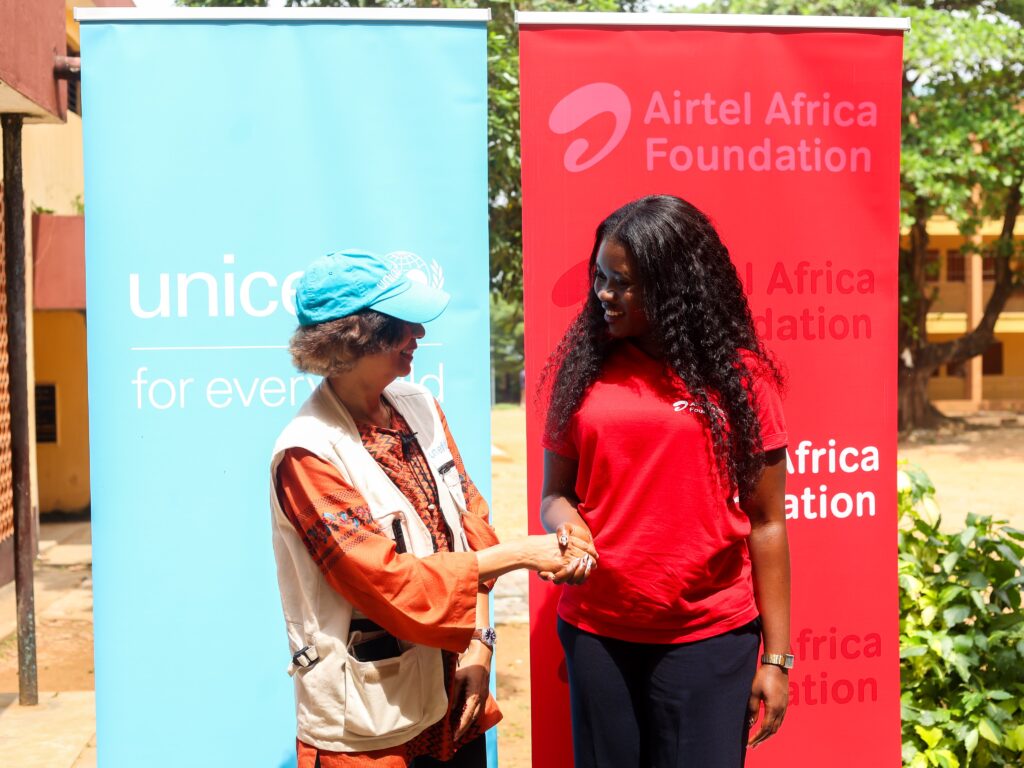
“Access to free Digital learning not only bridge the digital divide but also brings children and young people closer to the knowledge, skills and opportunities they need to shape their and country’s future,” Khan said.
“Our partnership with Airtel and the Government of Nigeria is supporting teachers and creating pathways from learning to earning. Girls, children with disabilities and those in underserved communities must be among the first to benefit.”
Airtel Africa Highlights the Role of Connectivity
Garreth Spillane, Foundation committee member and Chief of Staff to the Chairman of Airtel Africa, said reliable connectivity could create opportunities for students and teachers when combined with quality digital learning resources.
“Connectivity brings transformative opportunities when it helps students access quality digital learning and enables teachers to use digital tools effectively, as we’ve seen demonstrated so ably here in Nigeria,” Spillane said.
“Working with UNICEF and governments, we will continue to connect schools, remove data-cost barriers through zero-rated learning platforms and support teachers across the continent.”
Federal Government Reaffirms Commitment to Digital Education
The Minister of State for Education, Prof. Suwaiba Sa’idu Ahmad, said partnerships aligned with government priorities and learners’ needs were essential to improving education in Nigeria.
“Transforming education in Nigeria requires strong partnerships aligned with government priorities and learners’ needs,” Ahmad said.
“We must strengthen teachers’ capacity, expand access to quality digital content, protect children online and ensure digital learning reaches every child, wherever they live.”
Initiative Extends Across 13 African Countries
The Airtel Africa–UNICEF partnership is a five-year initiative operating across 13 African countries to expand access to digital education and improve learning opportunities for children.
Across the continent, the partnership has connected more than 3,000 schools, zero-rated more than 60 learning platforms and reached over 2.5 million children.
The initiative combines connectivity, teacher training and access to digital educational resources to help bridge the digital divide and create pathways from learning to employment and entrepreneurship.
Share this


