

By Michael Omotosho |
In a major move to protect vulnerable populations, UNDP Nigeria, the National Human Rights Commission (NHRC), and the Global Fund have launched a joint initiative to imbed robust, survivor-centred Gender-Based Violence (GBV) and Intimate Partner Violence (IPV) response frameworks into the nation’s core health funding.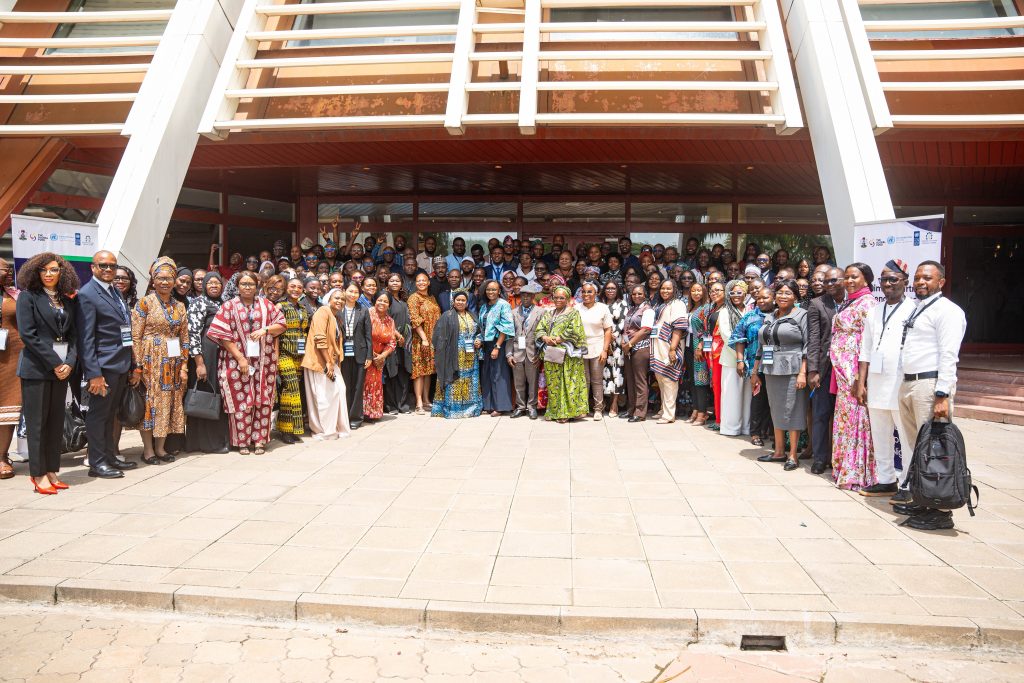
The strategic collaboration took center stage during a high-level national consultation convened in Abuja. The primary objective of the gathering was to ensure that vital healthcare access for women and girls is seamlessly woven into Nigeria’s upcoming Global Fund Grant Cycle 8 (GC8) programming, establishing a more resilient and empathetic healthcare infrastructure.
Strengthening Health Systems for Vulnerable Women
The Abuja consultation served as a critical platform for key stakeholders to map out actionable strategies aimed at overhauling national health systems. Participants focused intensely on removing barriers to care and improving access to essential support services for victims of abuse. By linking human rights directly to healthcare delivery, the initiative aims to institutionalize protections that outlast traditional, short-term interventions.
According to an official statement released by UNDP Nigeria via their social media channels:
“Together with National Human Rights Commission and Global Fund, we convened a national consultation in Abuja to integrate robust, survivor-centred GBV/IPV response frameworks directly into Nigeria’s Global Fund Grant Cycle 8. The consultation brought together key stakeholders to identify practical ways of strengthening health systems, improving access to essential support services, and ensuring that the rights, dignity, and wellbeing of women and girls remain at the centre of health programming.”
Prioritizing Rights and Dignity in National Programming
With the framework now being integrated into the Global Fund GC8 planning, Nigeria is positioned to leverage international funding to build a safer, more responsive healthcare ecosystem that actively protects its most vulnerable citizens.
Share this


