

The ceremony held in Njongon marks the start of a nationwide rollout for the ECOWAS Regional Electricity Access Project (ECOWAS-REAP). Completed facilities across five regions are scheduled for inauguration through February 15, 2026. The project is being executed by the Ministry of Petroleum, Energy and Mines alongside the National Water and Electricity Company (NAWEC), with backing from international and regional partners.
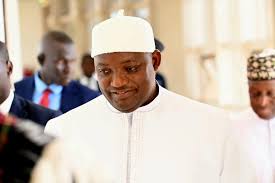
During the opening declaration, President Barrow stated that the project is a decisive step toward universal energy access, noting that reliable power is essential for economic growth and social inclusion. He characterized the initiative as a transformative moment for the country, particularly for rural populations that have historically been underserved.
“The ECOWAS-REAP is an unprecedented achievement in The Gambia,” President Barrow said. “Years of sustained collaboration with donors and regional institutions have finally translated into tangible benefits for ordinary citizens.”
The President reported that the project has already had a measurable impact on national statistics, with the country’s electricity access rate jumping from 73 percent to 90 percent. This expansion is expected to connect approximately 52,000 new households to the national grid.
while Government officials expect the increased access to improve healthcare, education, and security while creating new avenues for small businesses and agricultural enterprises. President Barrow emphasized that the project aims to reduce energy poverty and stimulate local economies, which may help slow rural-urban migration by making village life more sustainable.
Representatives from NAWEC and the Ministry of Petroleum, Energy and Mines noted that the new infrastructure is part of a broader ECOWAS strategy to strengthen cross-border cooperation and accelerate development across West Africa. The project aligns with national policies intended to achieve near-universal energy access and support future industrial growth.
As the inauguration tour continues throughout the week, the government maintains that the new grid infrastructure will serve as a foundation for the country’s long-term resilience and economic prosperity.


