

Nigeria has validated revised national guidelines for the inpatient management of severe acute malnutrition (SAM), a move aimed at improving the survival of children facing the highest risks associated with malnutrition.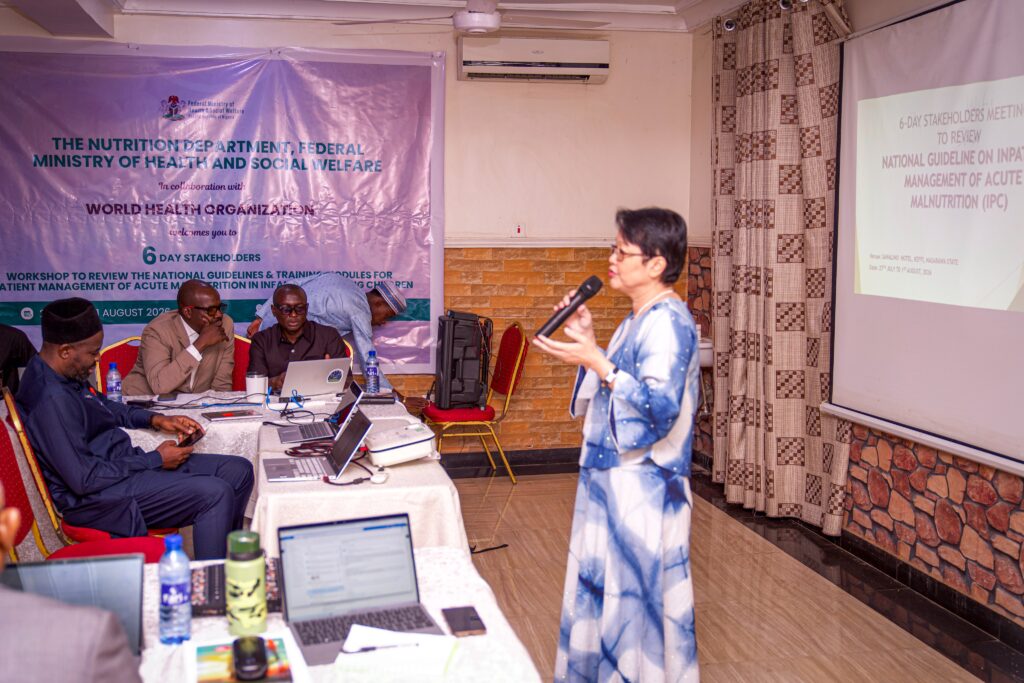
The World Health Organisation (WHO) Nigeria disclosed this in a statement, noting that the revised guidelines and accompanying training modules would help health workers provide timely and quality care to children with severe acute malnutrition.
Malnutrition Remains Major Child Health Threat
According to WHO, malnutrition remains a major contributor to child mortality in Nigeria, accounting for nearly 45 per cent of deaths among children under five.
The organisation explained that severe malnutrition weakens children’s immunity and makes them more vulnerable to serious illnesses, including pneumonia, diarrhoea and malaria.
It added that children with SAM can face high case fatality rates even when hospital care is available, particularly when other medical conditions occur alongside malnutrition.
“Every child with severe acute malnutrition deserves a fighting chance, and Nigeria has taken an important step forward for child survival,” WHO Nigeria said.
The organisation stressed that any medical condition occurring in the presence of severe acute malnutrition increases the risk of death, making specialised inpatient care essential for managing complications.
New Guidelines to Strengthen Treatment
WHO Nigeria said the revised guidelines are expected to strengthen the management of complicated SAM cases by providing health workers with updated guidance based on the latest recommendations.
The guidelines also address the care of infants under six months, particularly those at risk of poor growth and development.
According to the organisation, proper case management during inpatient care, combined with appropriate follow-up during outpatient treatment, could help prevent avoidable deaths among children affected by severe malnutrition.
WHO, UNICEF and Partners Support Review
The revised guidelines were developed following a review involving health experts and national partners, with support from the World Health Organisation, Federal Ministry of Health and Social Welfare, Irish Aid and UNICEF.
WHO said the experts worked to align the guidelines with the latest WHO recommendations while incorporating Nigeria’s experience in implementing nutrition programmes.
The updated guidance is expected to give health workers a more effective framework for identifying and managing children with complicated severe acute malnutrition.
According to WHO Nigeria strengthening the quality of care across inpatient and outpatient services would be critical to saving more children’s lives and improving child survival outcomes in Nigeria.
Share this


