
The Federal Government of Nigeria and the United Nations have deepened their partnership to address critical funding gaps and accelerate the implementation of the Sustainable Development Goals (SDGs).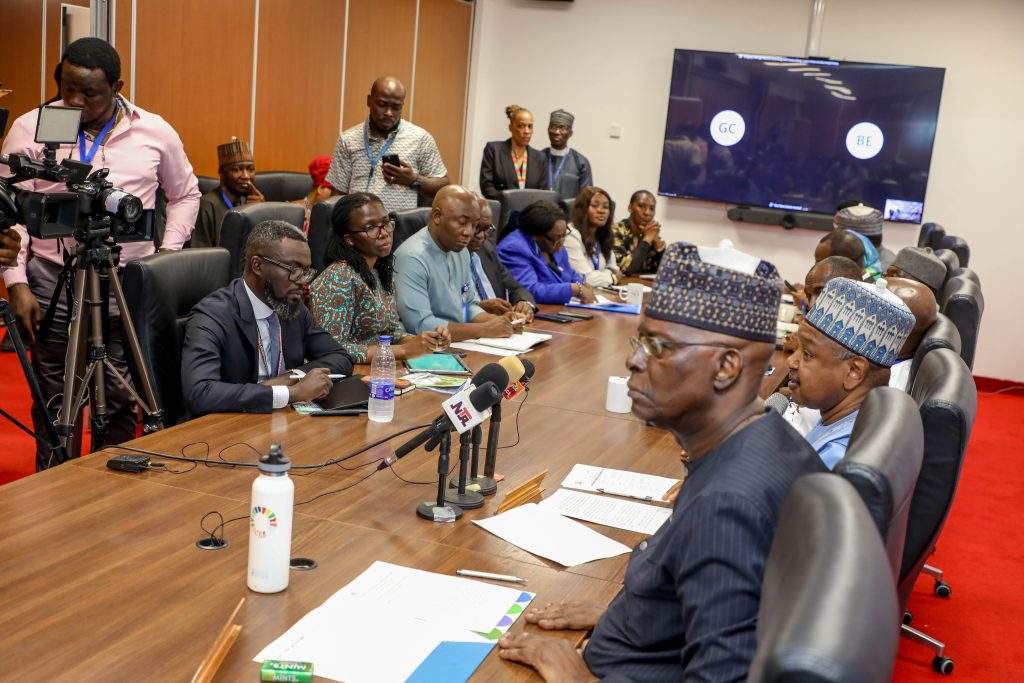
At the Joint Steering Committee Meeting of the UN Sustainable Development Cooperation Framework (UNSDCF) 2023–2027 held at the UN House in Abuja, both parties agreed on the urgent need to deploy innovative financing mechanisms to protect Nigeria’s most vulnerable populations.
The high-level review meeting was co-chaired by the Minister of Budget and Economic Planning, Senator Abubakar Atiku Bagudu represented by Hon. Dr. Doris Nkiruka Uzoka-Anite and the UN Resident and Humanitarian Coordinator, Mohamed Fall. The discussions focused heavily on reversing slow progress, pooling resources, and ensuring that international aid translates into measurable local development.
Bridging Nigeria’s Massive SDG Financing Gap
Speaking on behalf of the budget ministry, Dr. Doris Nkiruka Uzoka-Anite emphasized that while progress has been made, funding remains the single largest obstacle to achieving the 2030 global goals in Nigeria. She called on the global body to help design practical, alternative financial models that reduce reliance on traditional aid.
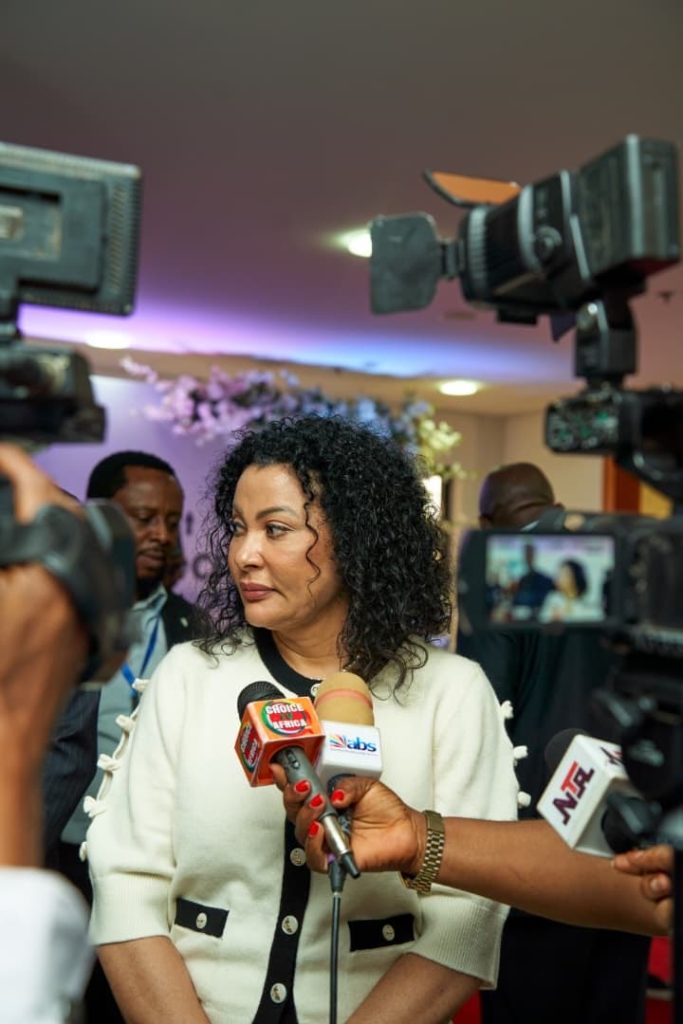 “Today, on behalf of the Honourable Minister of Budget and Economic Planning, Senator Abubakar Atiku Bagudu, CON, I represented the Ministry at the UNSDCF Steering Committee Meeting, where we reviewed progress, strengthened our shared commitment to strategic collaboration, and reaffirmed our resolve to accelerate inclusive, people-centred development. Our focus remains clear: delivering measurable outcomes that improve lives and ensuring that no Nigerian is left behind.”
The Minister of Humanitarian Affairs and Poverty Alleviation, Dr. Bernard Anbua (represented by the ministry’s leadership), reiterated the government’s focus on structural reforms.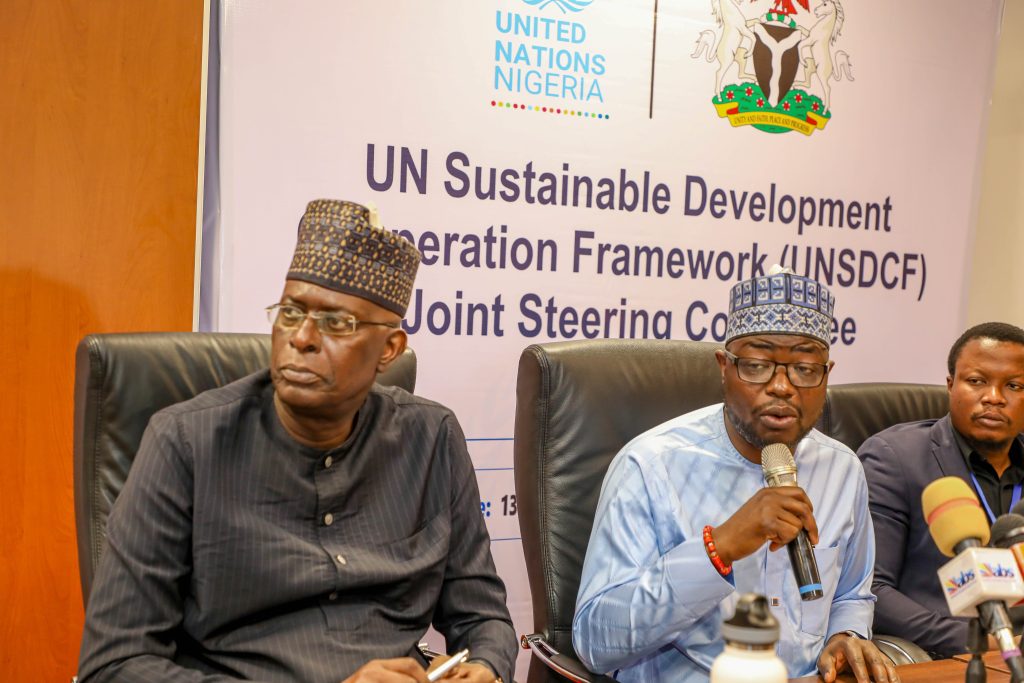
He explained that the administration is actively working to consolidate its welfare programs under a unified framework known as the One Humanitarian-One Poverty Response System to systematically lift citizens out of poverty.
UN Demands Faster Action and Smarter Spending
In his remarks, UN Resident and Humanitarian Coordinator Mohamed Fall issued a candid assessment of the current timeline, warning that progress must accelerate immediately as the target year of 2030 draws closer. He urged both government ministries and UN agencies to eliminate overlapping programs to maximize the value of every dollar spent.
Fall stressed that Nigeria must aggressively look inward to fund its future, highlighting domestic resource mobilization, advanced technology, and streamlined public administration as the primary tools to scale up operations over the next four years. He noted that the UN remains fully committed to guiding Nigeria toward a rights-based development path where economic growth directly benefits the poorest communities.
Share this


