

The Federal Government has reaffirmed its commitment to transforming Nigeria’s education sector, placing stronger collaboration with state governments, data-driven planning, and sustainable reforms at the heart of its strategy to improve learning outcomes nationwide.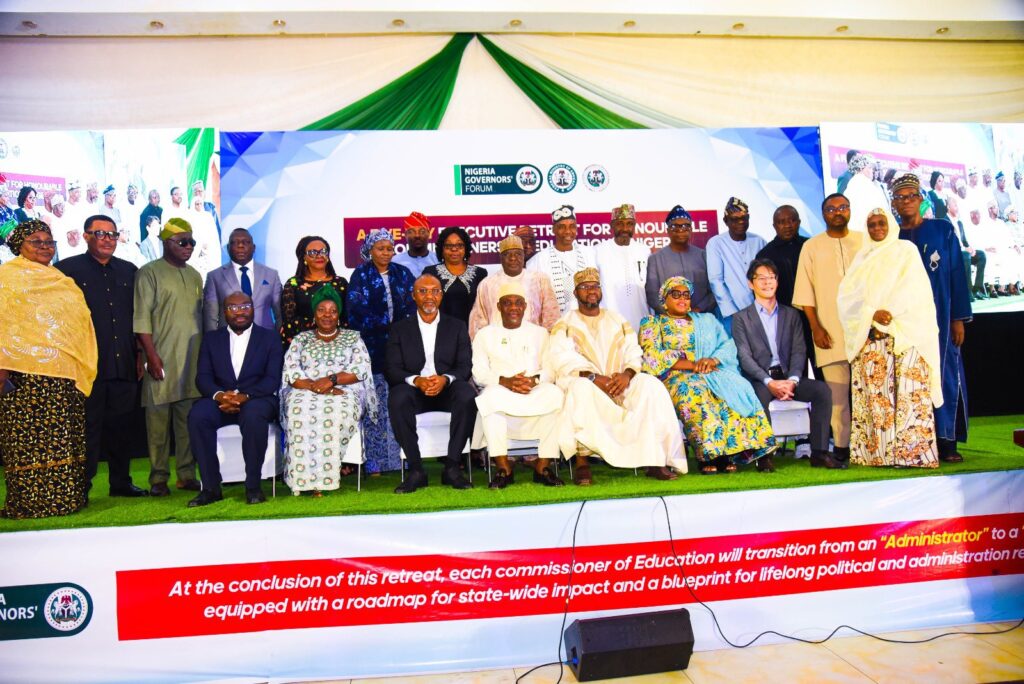
Speaking at the Executive Retreat for Honourable Commissioners of Education, the Minister of Education, Dr. Maruf Olatunji Alausa, CON, emphasized that a lasting overhaul of the nation’s schools demands unified action across all tiers of government.
“Effective education transformation requires strong Federal-State partnerships, reliable education data, and bold leadership,” Dr. Alausa stated during his address.
Harnessing Data Infrastructure for Transparency
To drive accountability and targeted resource allocation, the Minister highlighted the deployment of key digital tools, including the National Education Data Infrastructure (NEDI) and the Digitalised Nigeria Education Management Information System (DNEMIS).
According to the Ministry, these technology platforms are designed to strengthen sector-wide planning and facilitate evidence-based decision-making. By building a reliable national database, authorities aim to eliminate inefficiencies and address critical infrastructure and staffing gaps across Nigerian institutions.
States Urged to Tap $552 Million World Bank Fund
In addition to digital systems, Dr. Alausa urged state governments to capitalize on the World Bank-supported HOPE Education Programme. The initiative offers US$552 million in performance-based financing specifically designed to enhance education governance, elevate teacher quality, and boost overall learning outcomes.
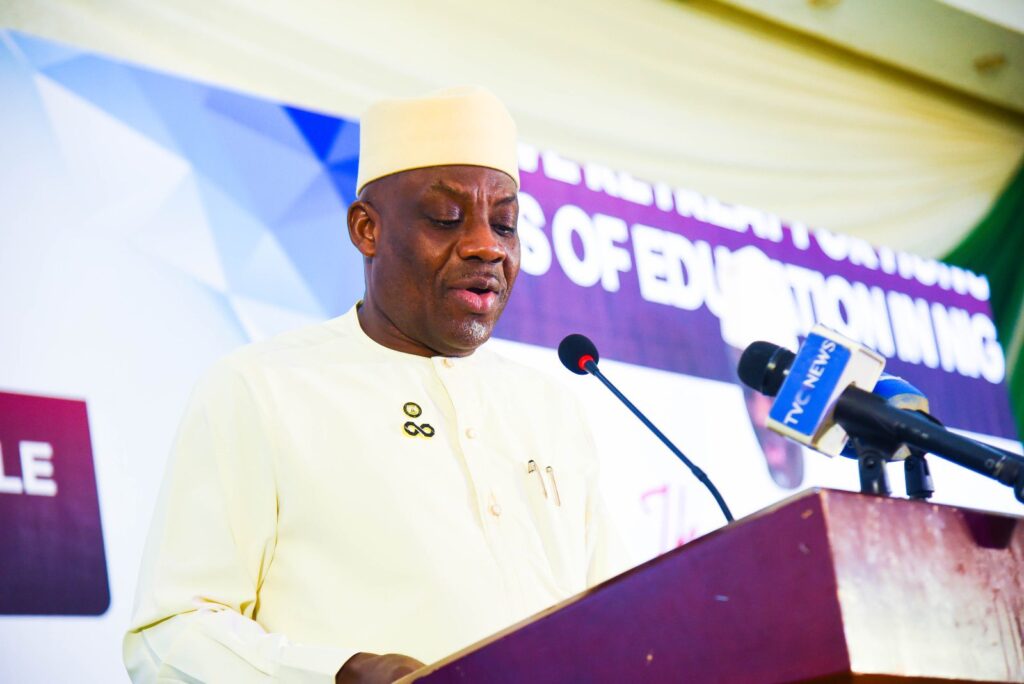
He encouraged all participating states to quickly complete necessary implementation frameworks so they can access the available funds and accelerate local school upgrades.
A Strategic Vision for Sector-Wide Renewal
The Minister reaffirmed that the overarching Nigeria Education Sector Renewal Initiative (NESRI) remains anchored on critical growth pillars. The strategic vision prioritizes expanding foundational learning, modernizing Technical and Vocational Education and Training (TVET), scaling STEM education, expanding digital learning access, and establishing sustainable financing frameworks.
The Federal Ministry of Education reiterated its determination to work alongside state governments, international development partners, and local stakeholders to build a resilient, globally competitive education system that equips every Nigerian learner for national development.
Share this


