
Nigeria’s progress in child immunization is facing a critical turning point as international donor support begins to recede, prompting urgent calls for the federal and state governments to bridge the funding gap through sustainable local investment.
At a high-level advocacy meeting held in Lagos, Save the Children International (SCI) warned that without a radical shift toward domestic financing, the gains made in reducing child mortality could be erased. The organization emphasized that the current reliance on external aid is no longer a viable long-term strategy for the nation’s healthcare security.
A Strategy for Self-Reliance
Speaking on the sidelines of the BOOST project advocacy session, Itunu Dave-Agboola, the Policy and Advocacy Coordinator, asserted that the era of waiting for aid must come to an end. She challenged stakeholders to broaden their outreach to secure firm commitments from both the public and private sectors.
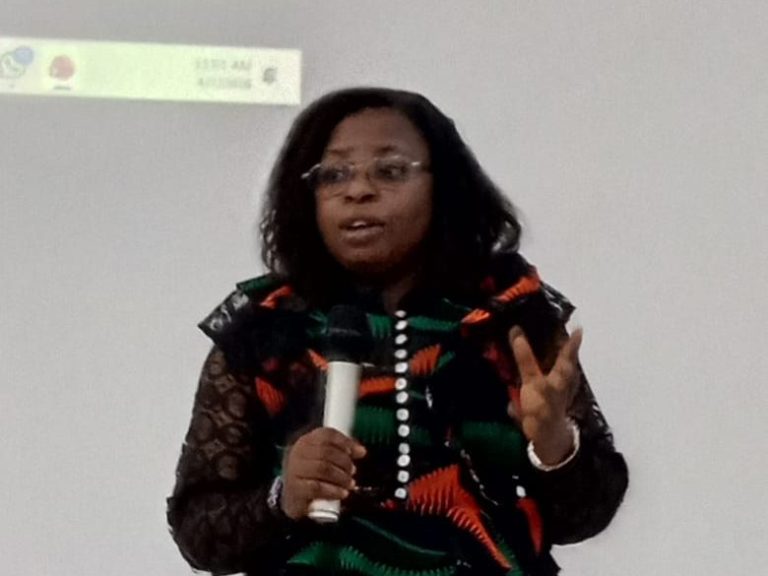
“We need to learn how to stand on our own, even if donor funding disappears completely,” Dave-Agboola stated. “It is critical for Nigeria to develop sustainable, locally driven financing mechanisms to ensure that no child is left behind.”
The initiative specifically targets the reduction of zero-dose and under-immunized children, focusing on underserved communities where vaccination rates remain dangerously low.
Infrastructure and Logistics Gaps
Beyond the direct cost of vaccines, the meeting highlighted systemic failures in the healthcare supply chain. Dave-Agboola noted that population pressure in densely populated areas like Alimosho has stretched existing resources to a breaking point. Furthermore, she pointed out that several wards in Lagos State still lack basic health facilities, making routine immunization physically inaccessible for many families.
The call for investment extends beyond procurement. Advocates are pushing for increased funding for healthcare personnel recruitment and training, strengthening vaccine supply chains and cold-room storage, and improving transport systems for rural outreach.
Bridging the Private Sector Divide
In a bid to diversify funding sources, Kelvin Otumunye, a senior official at the Lagos State Ministry of Health, urged for targeted partnerships with major private sector corporations. He suggested that corporate interventions could provide the necessary cushion as international grants wind down.
Meanwhile, officials confirmed that outreach efforts are already being scaled up in high-risk zones, including ongoing projects in Kano State designed to reach the most hard-to-access communities.
Improving Health Worker Accountability
The meeting also addressed social barriers to immunization, specifically the unprofessional attitude of some health workers. Participants reported that volunteers and patients often face neglect at public facilities, which discourages community participation.
To combat this, stakeholders proposed the introduction of special identification cards for volunteers. These cards would grant them access to free healthcare services, serving as both a reward and an incentive to bolster the immunization workforce.
In response to these concerns, Andy Lateefah, representing the Monitoring and Evaluation department of the State Ministry of Health, pledged to escalate these recommendations to the Permanent Secretary for immediate policy consideration.
Share this