
The Federal Government has reached an agreement with China to improve radiotherapy services and train more specialists who will handle cancer treatment in Nigeria.
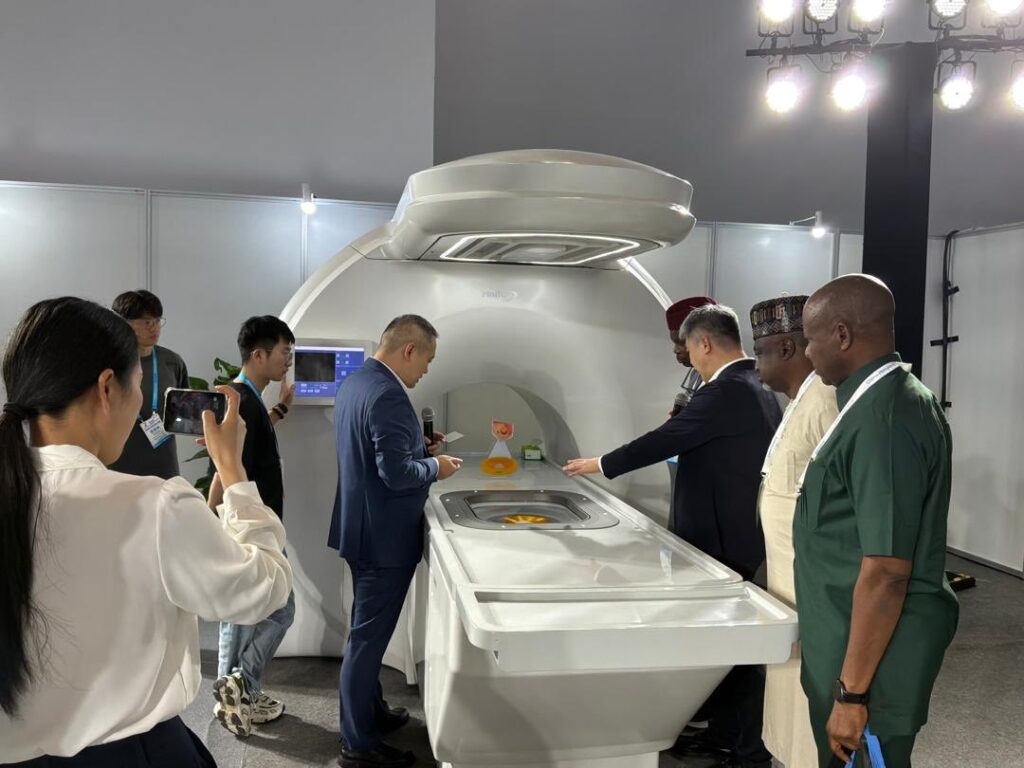
The agreement was signed in Beijing during the visit of the Minister of State for Health and Social Welfare, Dr Iziaq Salako. A separate cooperation agreement was also signed with Chinese medical technology company, LinaTech.
According to the Federal Ministry of Health, the agreements will support technical assistance, research, professional training and academic exchange between Nigeria and China.
More training for cancer specialists
The partnership will provide opportunities for Nigerian radiation oncologists, medical physicists, radiotherapy technologists and biomedical engineers to receive further training in China.
Nigeria will also establish a clinical training base which the government hopes will eventually serve as a West African centre for advanced radiotherapy training.
The government is also planning partnerships between Nigerian cancer centres, the National Institute for Cancer Research and Treatment (NICRAT), selected teaching hospitals and cancer institutions in China.
The partnerships are expected to help improve clinical practice, research and the technical skills needed to keep radiotherapy equipment running.
Salako said the government must pay attention to the people who operate and maintain the equipment, not just the machines being purchased.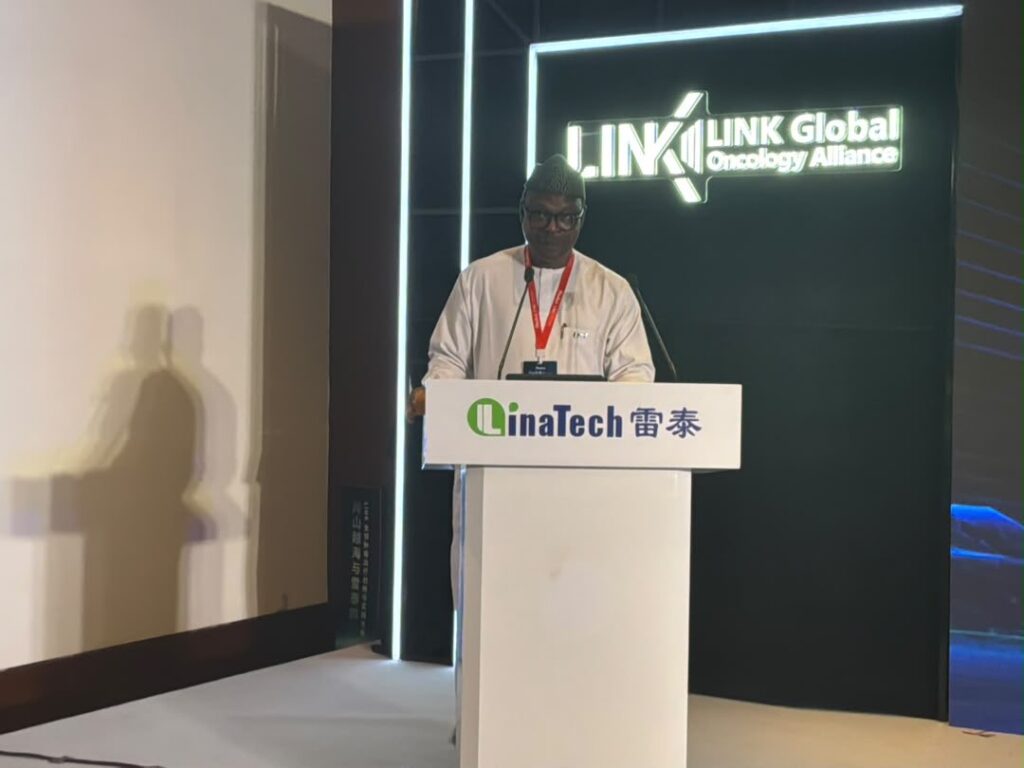
“Machines without people are monuments,” he said.
He added that proper cancer treatment depends on having trained workers, regular maintenance, spare parts and technical support.
FG plans 35 more linear accelerators
The agreement comes as the Federal Government moves ahead with plans to procure 35 additional linear accelerators between 2026 and 2028.
The Ministry of Health said the investment is part of ongoing efforts to improve healthcare delivery under President Bola Ahmed Tinubu’s Renewed Hope Agenda and the Nigeria Health Sector Renewal Investment Initiative.
Nigeria’s engagement with China also included the inauguration of the Radiotherapy Working Group of the China-Africa Hospital Alliance.
The country was also confirmed as one of the founding African partners of the Link Global Oncology Alliance.
At China-Hospeq 2026, Salako said Nigeria was interested in working with China in areas including medical equipment, diagnostics, digital health, artificial intelligence, local manufacturing and health security.
He said the country wanted to bring useful technologies and expertise back home rather than simply observe developments in other countries.
“Nigeria has not come to Beijing to just observe innovation in oncology. We have come to help shape it, and to take it home,” Salako said.
Government promises to track implementation
The Federal Government said it would prepare a joint work plan with designated focal persons and quarterly targets to monitor the implementation of the agreements.
The plan will focus on training, technical support and maintenance across Nigeria’s radiotherapy network.
The government said the ultimate goal is to make sure investments in cancer treatment lead to better access to care, lower costs for patients and improved chances of survival.
Share this


