

In a strategic move to sharpen disaster response and food security across the federation, the National Emergency Management Agency (NEMA) and the World Food Programme (WFP) have officially launched a high-level Co-Creation Workshop. 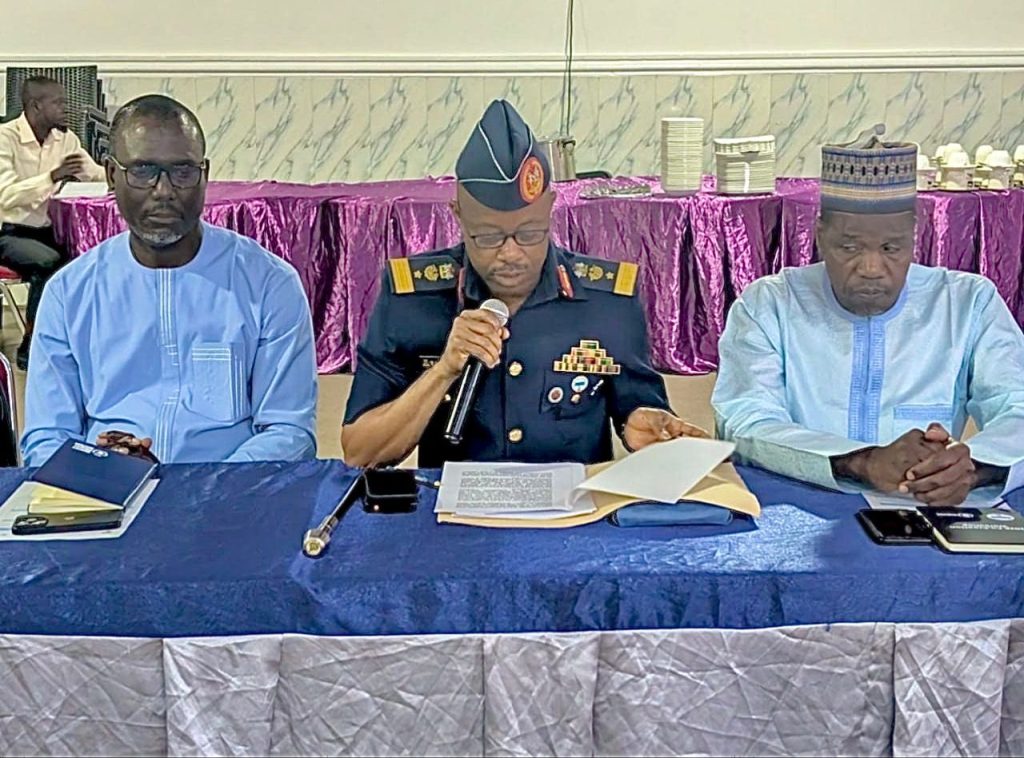
The initiative is designed to synchronize logistics coordination and fortify the nation’s humanitarian architecture against emerging crises.
Strengthening the Frontline Response
The workshop’s opening session served as a platform for both organizations to align their operational blueprints. NEMA provided a comprehensive overview of its current coordination mechanisms and nationwide preparedness efforts, emphasizing a commitment to evolving its service delivery models.
Addressing the delegates, the agency underscored the necessity of the partnership:
“While NEMA possesses extensive experience in emergency management, our goal is the continuous improvement of systems to ensure that aid reaches those in need with greater speed and precision. This collaboration with the WFP allows us to integrate global best practices into our local framework.”
Data-Driven Solutions and Nutrition Strategy
A significant portion of the deliberations focused on the WFP’s integration of data-driven decision-making. The global body demonstrated how advanced data analytics and information systems are now being used to eliminate guesswork from humanitarian interventions, allowing for more predictable and effective planning.
The WFP also highlighted its expanded outreach strategy, which leverages non-governmental organizations (NGOs) as implementing partners to penetrate remote communities. Beyond logistics, the organization prioritized the introduction of Specialized Nutritious Foods (SNFs), identifying them as a critical tool in battling malnutrition among vulnerable populations during emergencies.
Identifying Gaps and Future Milestones
Participants spent the first day identifying existing gaps in the current relief pipeline and exploring ways to harmonize operational strategies. The atmosphere of the workshop remained focused on co-creation ensuring that solutions are built jointly rather than imposed.
Moving forward, the workshop will transition into technical deep dives. Upcoming sessions are slated to cover commodity management to enhance the tracking and storage of relief materials, relief distribution to optimize the last mile delivery to disaster-affected zones, and operational efficiency to lead sessions aimed at reducing bureaucratic bottlenecks in emergency scenarios.
The partnership marks a pivotal step toward a more resilient and self-sustaining humanitarian response system for Nigeria.
Share this


