

The Nigeria Centre for Disease Control and Prevention (NCDC) has concluded a comprehensive capacity-building workshop for frontline healthcare workers to strengthen the nation’s defense against infectious diseases. The intensive five-day training program, which ran from June 15 to June 19, 2026, focused heavily on Lassa fever case management and Infection Prevention and Control (IPC).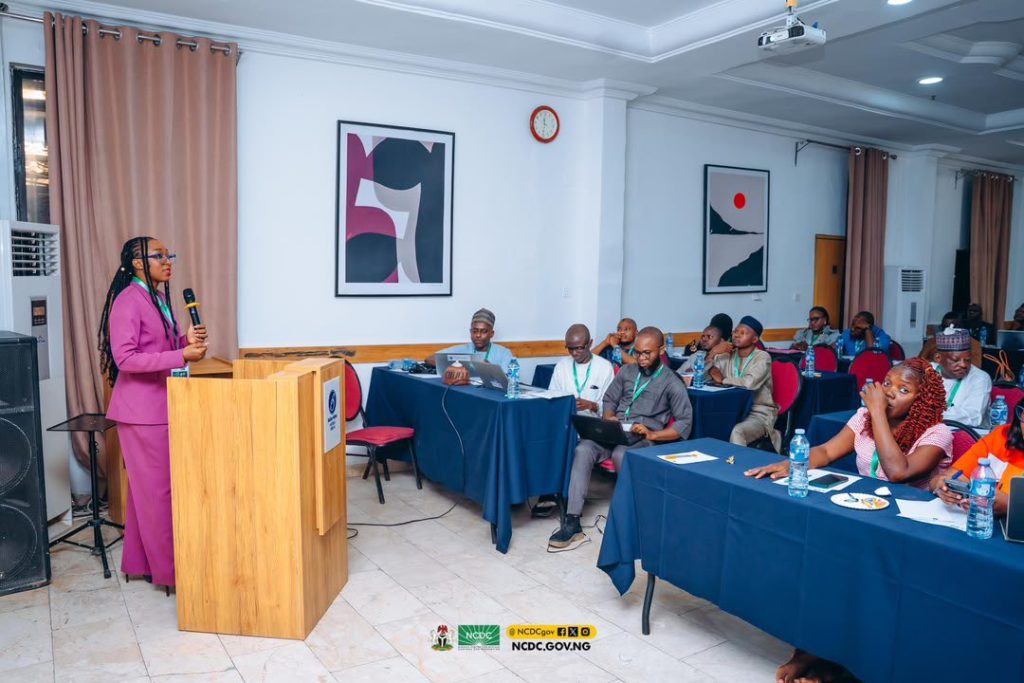
To ensure a robust and globally aligned response, the initiative was executed with strategic backing from major international health bodies, including the Africa CDC, Médecins Sans Frontières (MSF), the World Health Organization (WHO), and FHI 360. The collaborative effort underscores the critical need for unified action as West Africa faces recurring public health threats.
Strengthening Africa’s Epidemic Preparedness
The training was specifically curated to address persistent vulnerabilities in clinical responses during health emergencies. By focusing on immediate structural limitations, the program aims to reshape how local health systems navigate both current and future viral outbreaks across the African continent.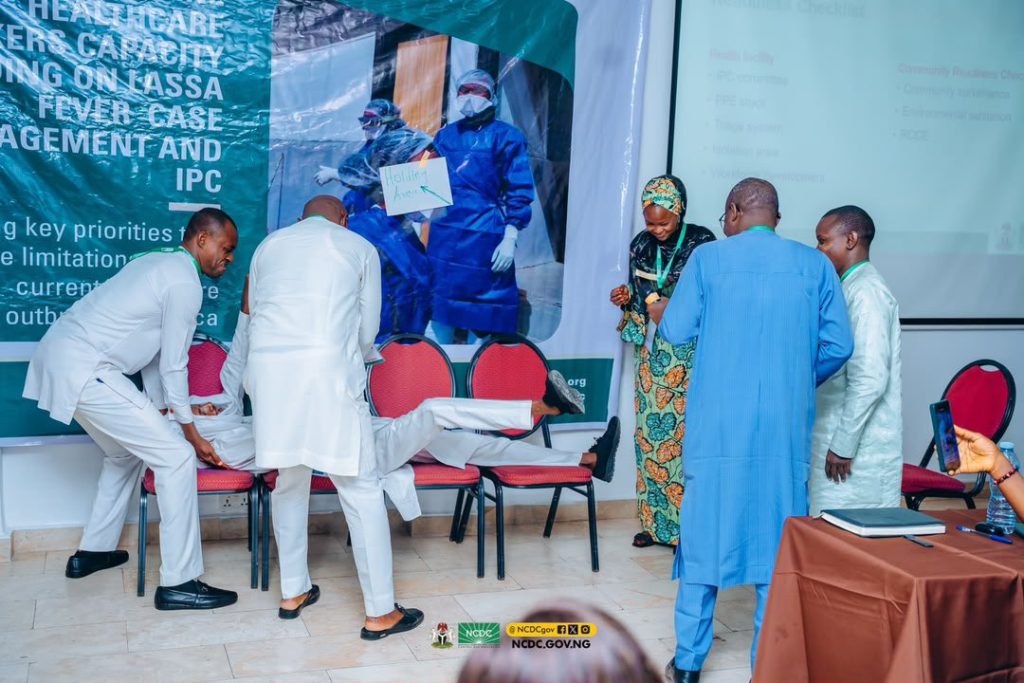
The timing of the workshop is particularly crucial given the ongoing Ebola outbreak in Africa. Recognizing that infectious diseases do not respect borders, public health officials designed the curriculum to enhance overall preparedness and clinical response times for both endemic diseases like Lassa fever and non-endemic viral haemorrhagic fevers.
Commitment to Frontline Health Safety
Organizers emphasized that equipping medical personnel with advanced containment and treatment skills is the most effective way to lower mortality rates during an outbreak. Proper IPC protocols protect not only the patients but also the medical teams working in high-risk environments.
“This training targeted key priorities that solve limitations in both current and future outbreaks in Africa,” the NCDC stated in an official briefing regarding the program. “Considering the ongoing Ebola outbreak on the continent, this training enhanced preparedness and response to endemic and non-endemic viral haemorrhagic fevers.”
Share this


