
The Lagos State Government has unveiled sweeping healthcare financing, workforce and infrastructure reforms aimed at closing an estimated N100 billion gap between current health sector funding and the state’s projected healthcare needs.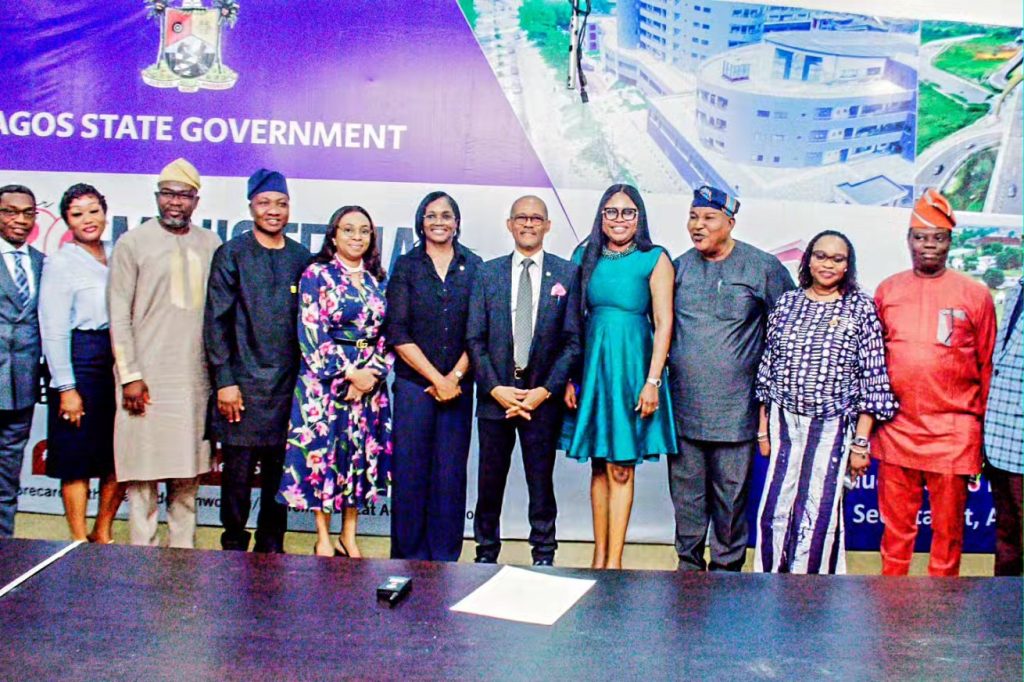
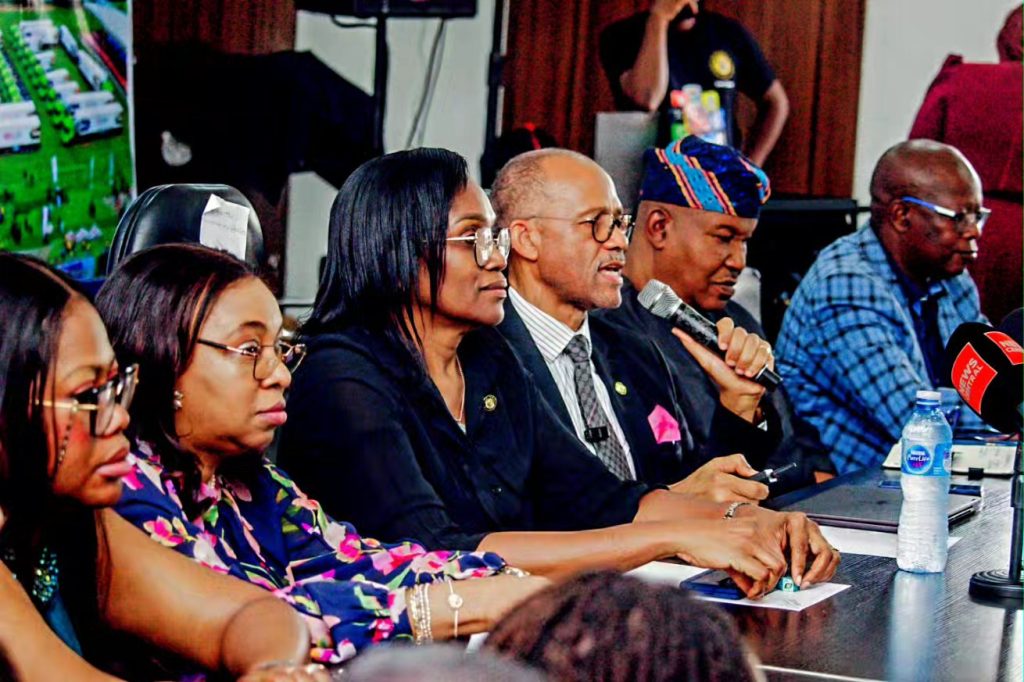
Speaking during the 2026 Ministerial Press Briefing held at the Bagauda Kaltho Press Centre in Alausa-Ikeja on Tuesday, the Commissioner for Health, Akin Abayomi, said the administration was intensifying efforts to expand health insurance coverage, improve healthcare infrastructure and reposition Lagos as a leading medical destination in Africa.
The briefing was part of activities marking the seventh anniversary of the administration of Babajide Sanwo-Olu and Deputy Governor Kadri Obafemi Hamzat.
Abayomi disclosed that Lagos currently allocates about eight per cent of its budget to health, far below the 15 per cent benchmark recommended under the Abuja Declaration, stressing that the state could no longer rely solely on traditional budgetary allocations to fund healthcare delivery.
According to him, the widening gap between available resources and healthcare demands has made alternative financing mechanisms unavoidable.
“There is a gap between what is available to us through our budget and what we ideally want to spend. The blue bar is our current budget while the red bar is our wish budget, and there is a gap of at least N100 billion between what we get and what we want,” Abayomi said.
Mandatory Insurance Enforcement Begins
The Commissioner explained that dwindling donor support, population growth and increasing healthcare demands in Lagos had accelerated the government’s push for mandatory health insurance and stronger public-private partnerships.
“The answer for us really is two things; health insurance and public-private partnership. This is where we are focused at the moment in Lagos State,” he stated.
Abayomi revealed that Governor Sanwo-Olu had already domesticated the National Health Insurance Authority Act through an Executive Order signed on July 16, 2024, making health insurance compulsory for all Lagos residents.
He added that Ministries, Departments and Agencies had commenced enforcement measures requiring residents seeking government services to present evidence of accredited health insurance coverage.
According to the Commissioner, the initiative is expected to significantly boost enrollment under the Lagos State Health Management Agency’s Ilera-Eko scheme while creating a sustainable healthcare financing pool capable of improving infrastructure and supporting vulnerable residents.
“Health insurance is the umbrella by which the healthy look after the sick and the rich look after the poor. It is a solidarity phenomenon,” he said.
Abayomi disclosed that more than 1.46 million residents had already enrolled in the Ilera-Eko health insurance scheme, although the state still had significant work to do toward achieving universal health coverage.
He lamented that about 77 per cent of healthcare spending in Nigeria comes directly from citizens’ pockets, while only two per cent is financed through insurance, describing the situation as both unsustainable and abnormal.
Lagos Seeks to Reverse Medical Tourism
Outlining the state’s long-term healthcare strategy, the Commissioner said the Lagos 2052 Development Plan seeks to transform Lagos into a model mega city and position it among the top three healthcare destinations in Africa within the next decade.
According to him, the plan prioritises universal health coverage, reduction in maternal mortality, stronger primary healthcare systems, improved child nutrition and the reversal of outbound medical tourism.
“We do not want Lagosians travelling abroad to seek healthcare in Dubai, London, India or South Africa. We want to provide every specialty and subspecialty needed right here in Lagos,” Abayomi said.
He further stressed the need to regulate and integrate informal healthcare providers, including patent medicine vendors, traditional medicine practitioners and community pharmacies, into the broader healthcare ecosystem.
The Commissioner noted that healthcare delivery in Lagos extends far beyond public hospitals, with over 3,500 registered private health facilities currently operating across the state alongside informal providers that often serve as first points of care for residents.
University of Medicine Approved
On healthcare workforce shortages, Abayomi acknowledged the growing global migration of medical professionals but insisted the state was implementing measures to retain talent through improved welfare packages and expanded training opportunities.
He announced that approval had been granted for the establishment of a standalone University of Medicine and Health Sciences in Lagos State to increase the production of doctors, nurses, pharmacists and other healthcare professionals.
According to him, the proposed institution would decentralise clinical training across primary, secondary and private healthcare facilities while leveraging diaspora expertise and existing professionals within the state healthcare system.
He added that ongoing redesign and modernization projects across health facilities were expected to improve patient experience, staff welfare and overall healthcare outcomes.
HEFAMAA Warns Against Unaccredited Facilities
Also speaking at the briefing, the Special Adviser to the Governor on Health, Kemi Ogunyemi, highlighted the role of the Health Facility Monitoring and Accreditation Agency (HEFAMAA) in maintaining healthcare standards and patient safety across Lagos.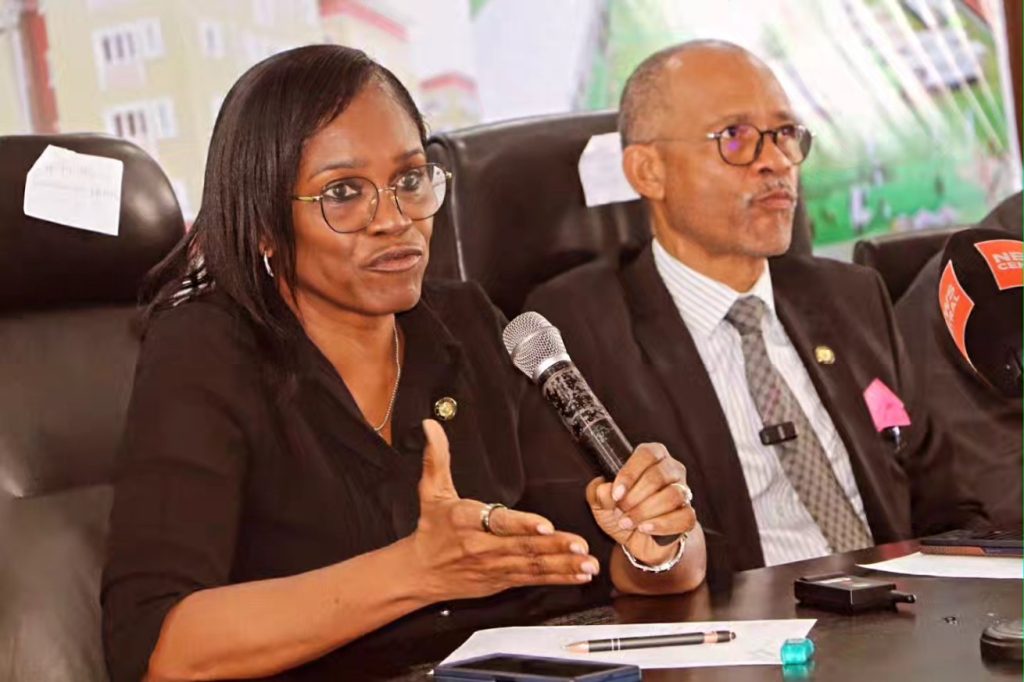
She noted that Lagos remained the first state in Nigeria to establish a dedicated agency for healthcare facility regulation and patient safety, adding that the model was now attracting attention from other states and the Federal Government.
Ogunyemi disclosed that the growing number of hospitals, cosmetic medical spas and healthcare centres in Lagos had placed increased pressure on the agency’s operational capacity.
“If you do not see the HEFAMAA accreditation sign in a facility, please do not use that facility. If you see something concerning poor and substandard practise, say something. We rely on the public to help us ensure patient safety,” she warned.
Officials Commend Health Workers
In his opening remarks, the Permanent Secretary, Ministry of Information and Strategy, praised improvements recorded in emergency response services, healthcare infrastructure and primary healthcare delivery across Lagos State.
Delivering the closing remarks, the Permanent Secretary of the Lagos State Ministry of Health, Dayo Lajide, commended healthcare workers across primary, secondary and tertiary facilities for their dedication and resilience amid rising healthcare demands.
Lajide also expressed appreciation to Governor Sanwo-Olu for sustained investments and continued support for the state’s healthcare sector.
Share this