

In a move to insulate vulnerable communities against future epidemics, the Lagos State Environmental Protection Agency (LASEPA), the United Nations Industrial Development Organization (UNIDO), and the Government of Japan have successfully concluded a year-long intensive hygiene and sanitation capacity-building program.
The initiative, titled “Emergency Capacity Building of Informal Food and Water Vendors and Waste Workers in Flood-Affected Lagos,” under UNIDO Project 240237, was launched as a direct response to the devastating cholera outbreak of June 2024. That crisis saw 579 suspected cases and claimed 29 lives, exposing critical sanitation gaps in the state’s informal sectors.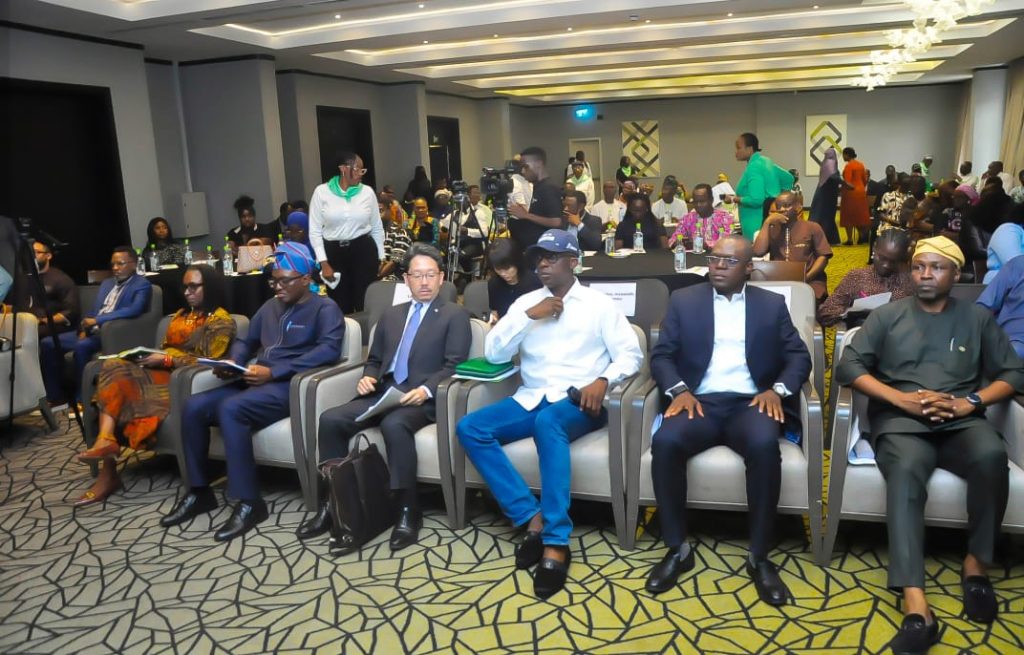
A Proactive Shield Against Outbreaks
Speaking at the project’s closing ceremony at the Radisson Blu Hotel in Ikeja, the Commissioner for the Environment and Water Resources, Mr. Tokunbo Wahab, hailed the collaboration as a vital intervention in breaking the transmission chain of waterborne diseases.
“This initiative is a proactive and impactful collaboration aimed at breaking the chain of cholera transmission through grassroots engagement,” Wahab stated.
He further disclosed that the Government of Japan, through UNIDO, provided a $225,000 grant to fund structured environmental health programs across eight high-risk Local Government Areas (LGAs), including Ikorodu, Alimosho, Lagos Island, Ojo, Kosofe, Lagos Mainland, Badagry, and Ikeja.
Strengthening the Grassroots
The 12-month program focused on the informal pillars of the community food vendors, water suppliers, and waste collectors who often operate in areas with limited infrastructure. Dr. Babatunde Ajayi, General Manager of LASEPA, noted that field assessments during the project identified persistent hygiene challenges in rural and riverine communities.
Through a combination of training-of-trainers sessions and direct field monitoring, LASEPA has worked to instill rigorous environmental compliance at the local level. The project didn’t just provide knowledge; it supplied tangible resources, including rapid test kits and water purification materials.
International Cooperation for Public Health
The project highlights a significant diplomatic effort to safeguard Lagos’s megacity population. Ambassador Philbert Johnson, UNIDO Representative to Nigeria and ECOWAS, emphasized that public health is intrinsically linked to sustainable industrial development.
Supporting this sentiment, the Ambassador of Japan to Nigeria, Hideo Suzuki, reaffirmed his nation’s commitment to Nigeria’s health security. He revealed that Japan’s total contribution to cholera-related interventions in the region—facilitated through UNIDO, WHO, and UNOPS—now stands at approximately $1.725 million.
Exceeding Targets
According to UNIDO Project Manager Ms. Nahomi Nishio, the intervention surpassed several of its initial benchmarks, particularly regarding female participation and community outreach. Officials credit the success to the seamless synergy between international donors and the Lagos State Government’s local execution team.
By empowering the informal sector with the tools to maintain basic hygiene, Lagos State aims to ensure that the 2024 outbreak remains a turning point rather than a recurring tragedy.


