
By: Micheal Omotosho |
Lagos State is facing growing pressure on its waste management system as daily waste generation has risen to about 17,000 tons, significantly above the 13,000 tons previously projected by the state, Deputy Governor Dr. Kadri Obafemi Hamzat has disclosed this during an interview session on Nigeria Info FM 99.3’s Daily Digest, hosted by Jimi Disu.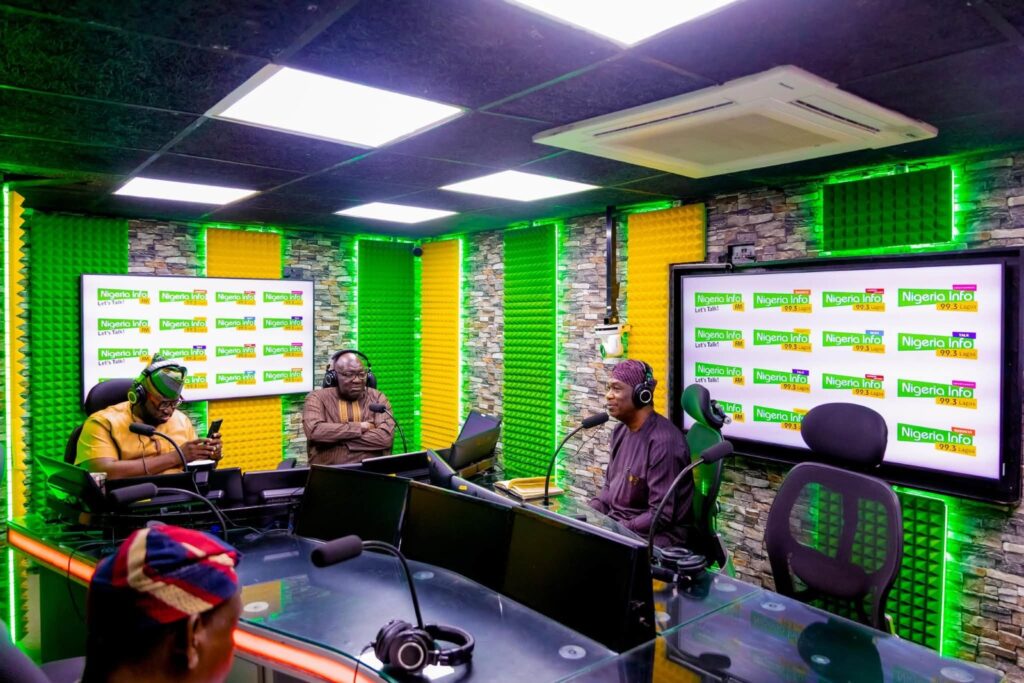
The Deputy Governor explained the challenges confronting the state’s sanitation system, including rising waste volumes, high diesel costs and delays in the delivery of new waste collection trucks.
Waste Generation Surpasses Government Projections
According to Hamzat, the state had planned its waste management operations around an estimated 13,000 tons of waste per day. However, actual waste generation has now increased to approximately 17,000 tons daily.
He said the unexpected increase has placed additional pressure on the Lagos State Waste Management Authority (LAWMA), making it difficult for the agency and private waste operators to keep pace with the volume of refuse generated across the metropolis.
“It’s easy for me to just throw the agency under the bus, but I won’t do that,” Hamzat said, explaining that LAWMA had been given a responsibility whose scale was not fully anticipated.
He added that the situation highlighted the importance of reliable data in urban planning and waste management.
“How do you plan for something you can’t measure?” he asked.
He said the rapid growth of the city and the difficulty in accurately tracking population activity have made it harder for authorities to predict the amount of waste being generated.
Diesel Costs Put Pressure on Waste Operators
The deputy governor also highlighted the financial difficulties facing the state’s 420 Private Sector Participant (PSP) waste operators.
The operators are expected to maintain at least two functional trucks each, creating a requirement for more than 800 waste collection trucks across the state.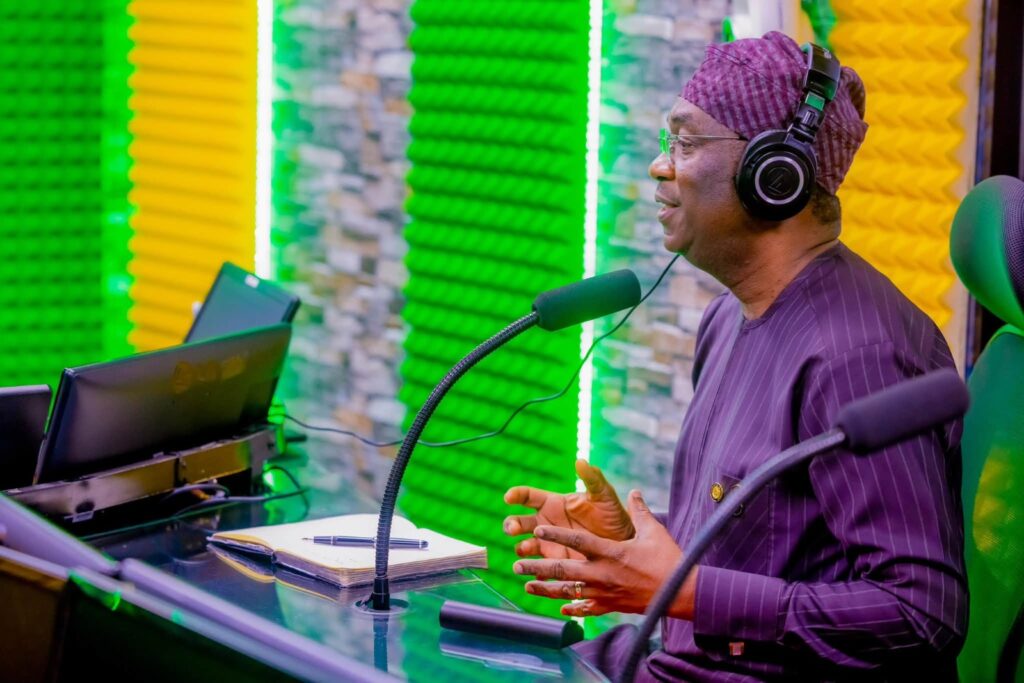
However, Hamzat said the sharp rise in diesel prices affected the ability of several operators to maintain their fleets and continue operations at full capacity.
When the operators requested higher tariffs to cover their increased operating costs, the state government opted against transferring the additional burden to residents.
“Don’t increase the tariff, let the state pay,” Hamzat said, explaining that the government negotiated an adjustment with the operators and paid the difference.
214 New Trucks Delayed Until September
Lagos State Government ordered 214 new waste collection trucks to strengthen waste collection capacity, he said.
A total of 114 trucks are expected to be distributed across the 57 Local Governments and Local Council Development Areas (LCDAs), with two trucks allocated to each council. Another 100 trucks were procured directly for state-level waste management operations.
The vehicles were initially expected to arrive in July, but Hamzat said international shipping and supply chain challenges have pushed the delivery date to September.
“We were supposed to get delivery in July. Unfortunately, they now said it’s going to be September,” he said.
He acknowledged that the state could have placed the order earlier but said the delay was not entirely the responsibility of LAWMA.
“Maybe we should have ordered earlier, and we must take responsibility for that,” he added.
Lagos Faces Wider Infrastructure Pressure
Beyond waste management, Lagos is dealing with broader pressure from its growing population and expanding infrastructure needs.
As part of his statement he said that the state has approximately 9,911 public roads requiring regular maintenance and repairs. To address the growing maintenance burden, the Lagos State Public Works Corporation increased its active deployment teams from 14 to 34.
Hamzat also dismissed claims that infrastructure development is concentrated in wealthier parts of the state, saying projects are being implemented across the different local government areas.
He stressed that Lagos’ coastal and low-lying terrain also means that road and transport projects must be designed alongside adequate drainage infrastructure to reduce the risk of flooding.
Government Pushes for Waste Recycling
Hamzat said the state’s long-term waste management strategy also involves sorting waste at the point of collection and increasing recycling.
He noted that as much as 35 percent of Lagos’ waste could potentially be converted into reusable or economically valuable materials, reducing the volume that ultimately ends up in landfills.
In his words he linked the challenge to the wider need for better urban planning, accurate population data and infrastructure investment as Lagos continues to expand.
He also called for stronger social values, foundational education and adherence to the rule of law, arguing that development must go beyond physical infrastructure.
“Education is key,” Hamzat said. “We must make sure that nobody is above and nobody is beneath it.”
On social protection, he said government efforts to tackle vandalism, crime and the destruction of public infrastructure should not come at the expense of vulnerable residents.
“No society grows better or improves by killing the poor or by destroying the poor. The essence is to elevate the poor,” Hamzat stated.
Share this


