
LACSOP, Partners Mobilize Apapa Residents for Climate Action

Share this
By Michael Omotosho |
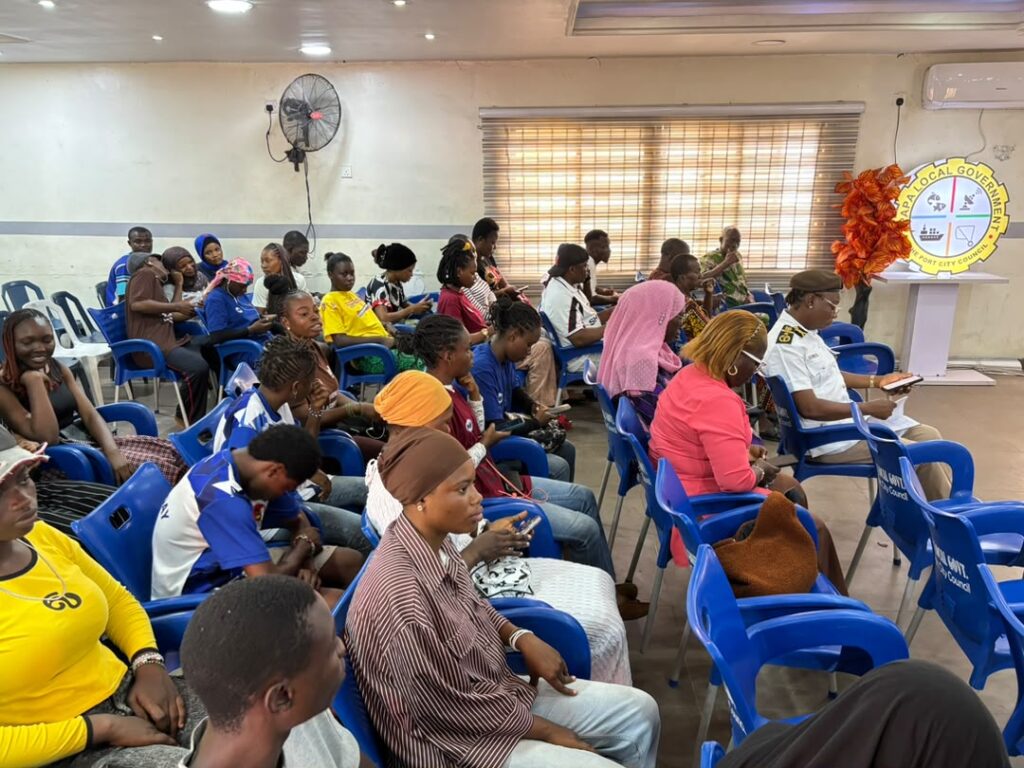
The Lagos Civil Society Participation Forum (LACSOP) in partnership with Apapa Local Government, Bread for the World, UNICEF, the Lagos State Ministry of the Environment, the Office of Drainage Services, and the SDGs Office, have mobilised residents, youth groups and community organisations at the Apapa Local Government Hall on August 12, 2026, for a pivotal town hall meeting centered on the theme “Empowering Communities: Driving Climate Action.”
The event, held under the CLAIM for Mitigating Climate Change Impact Project, aimed to address persistent environmental degradation and flooding across the coastal community. The gathering was moderated by  Ms. Omolara Olusaiye, Project Manager, who guided discussions on transitioning residents from passive victims of environmental hazards into active drivers of community solutions.

Empowering Grassroots Climate Champions
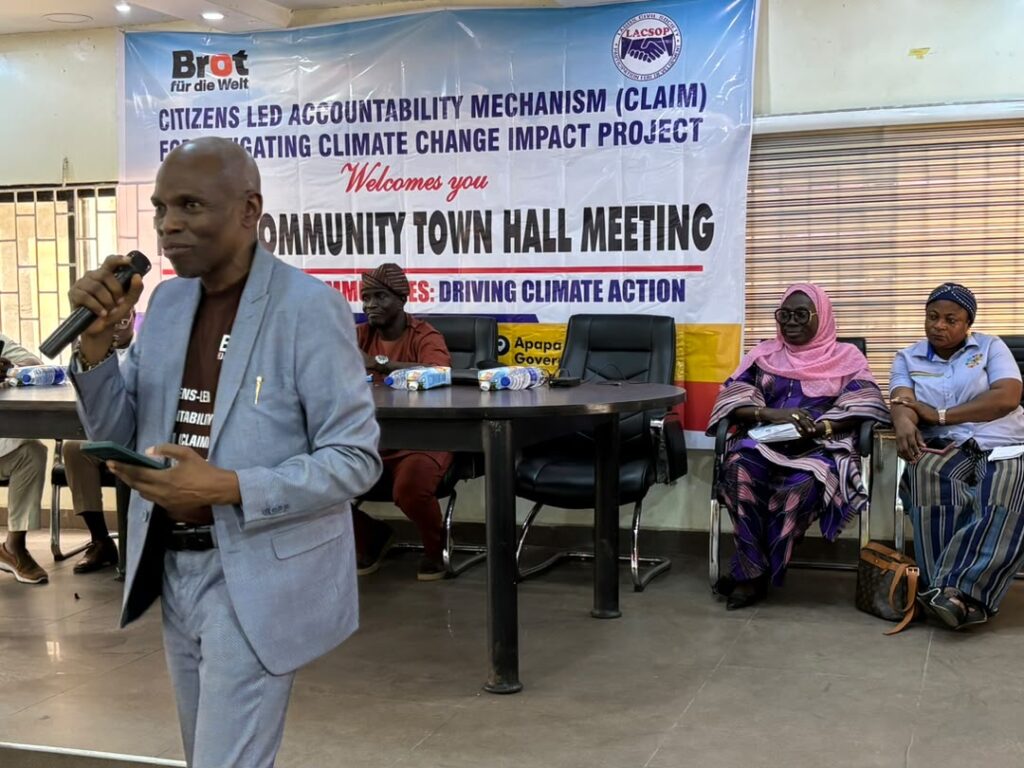
A key highlight of the event was the presentation of cash grants totaling ₦875,000 to active youth coalitions and grassroots networks driving resilience projects. The Traditionalist & CDA Group received ₦250,000, while the combined Rotaract & Barracks Youths were awarded ₦250,000. Furthermore, a joint award of ₦375,000 was presented to NACOMYO, Market Youths, JONAPWD, and lastly the National Youth Council of Nigeria (NYCN) – Apapa Chapter, and D-Becks Foundation received the sum of ₦250,000, recognizing their collective environmental advocacy across Apapa.
Some of the youths who participated in the initiative were also presented with certificates in recognition of their participation and contribution to the climate action programme.
Barrister Ayo Adebusoye, Chairman of the Board of Trustees at LACSOP, in his welcome address underscored the immediate reality of climate change in coastal Lagos, where heavy rains consistently intersect with blocked drainage networks and plastic-choked waterways.
“Climate change is no longer a distant threat; it is a daily reality in Apapa,” Adebusoye stressed. “We must shift our mindset from seeing waste as garbage to treating it as a resource. Through waste separation and recovery, we feed a circular economy that creates green livelihoods while protecting our drainage networks.”

Adebusoye challenged every attendee, including market associations and municipal leaders, to take direct personal responsibility for their environment, asking, “What will I do differently after today?”

LACSOP to Launch Digital App for Citizen Reporting

In an exclusive interview on the sidelines of the town hall, Barrister Ayo Adebusoye revealed that LACSOP is preparing to launch a dedicated mobile application designed to bolster local climate tracking and civic engagement.

“To truly bridge the gap between residents and government interventions, we are launching a civic-tech mobile application,” Adebusoye disclosed during the interview. “This app will allow residents across Lagos to report clogged drains, track localized flooding in real time, and hold public authorities accountable. Tech-driven civic participation is the future of urban climate resilience.”

Data-Driven Solutions and the Digital Museum

Addressing the technical strategies behind the initiative experts and co-authors of the CLAIM Manual, highlighted that the project’s blueprint was co-created directly from field data gathered across Apapa.
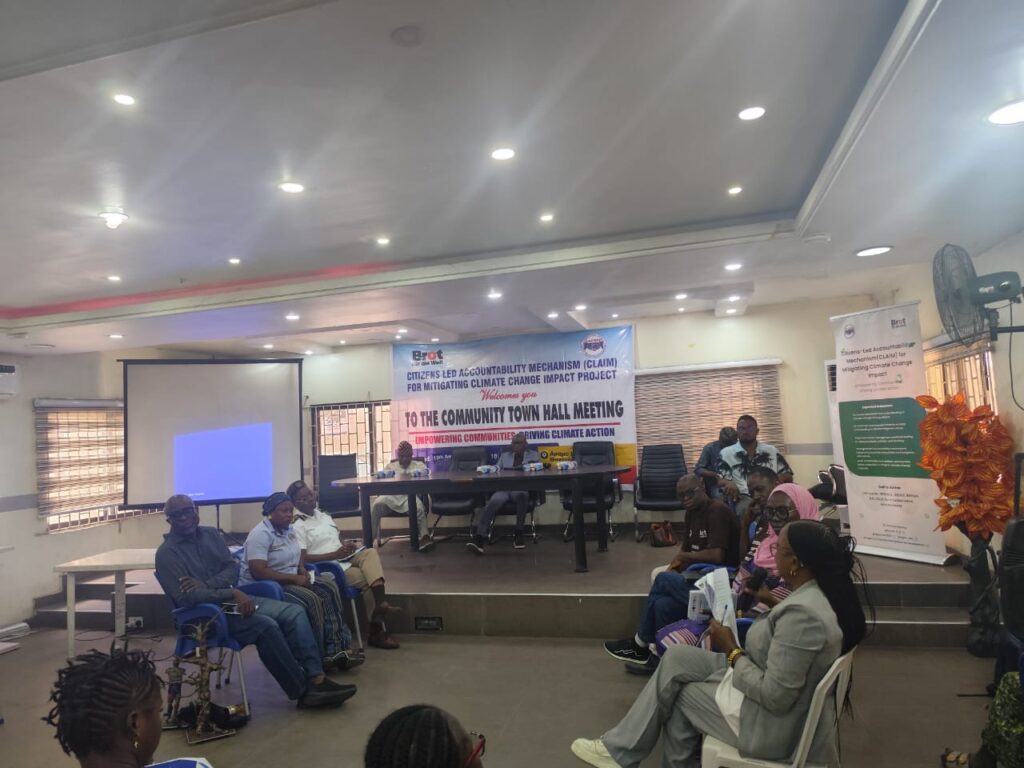
They emphasized that addressing urban flooding requires leveraging modern technology alongside community action.

“In an era driven by digital transformation and AI, local data collection is essential for evidence-based policy and municipal planning,” Dr. Adekoya noted. “By building a digital archive, we ensure our climate resilience strategies are grounded in real, historical evidence.”

Turning Urban Waste into Value

Focusing on household-level solutions, entrepreneurial consultant also demonstrated practical upcycling methods capable of diverting municipal waste from local drainage channels. He advocated for mandatory household waste segregation, separating plastics, paper, bio-waste, and discarded tires at the source.

It was pointed out that discarded materials, such as old tires and abandoned timber, can be converted into durable, high-value furniture rather than being left to choke local canals. Joining the discussion, multidisciplinary researcher Dr. Aisha emphasized the importance of merging environmental science with social research to foster active civic participation among vulnerable coastal populations.

Institutional Commitment and Community Feedback

Speaking on behalf of the local administration, Mr. John Bamidele the Secretary to the Local Government representing the Executive Chairman of the Apapa Local Government, reaffirmed the municipal authority’s commitment to sustaining its partnership with LACSOP and civil society organizations. He assured residents that ongoing efforts to clear drainage structures, rehabilitate infrastructure, and support youth-led environmental projects remain top priorities for the local government.

Community beneficiaries also voiced their appreciation during post-event interviews, highlighting the impact of early grassroots inclusion.
“Being involved right from the design stage gave us a real sense of ownership,” a representative from the community networks shared during an interview. “This grant isn’t just financial support; it validates the work we have been doing on the ground to keep our neighborhoods clean and flood-free.”
Residents also noted that involving them from the outset ensures long-term ownership and sustainability of the interventions established under the CLAIM project.
Share this

Leave a Reply