

Kano State recently hosted a pivotal regional dialogue aimed at bridging the gap between high-level climate commitments and actual fiscal transparency.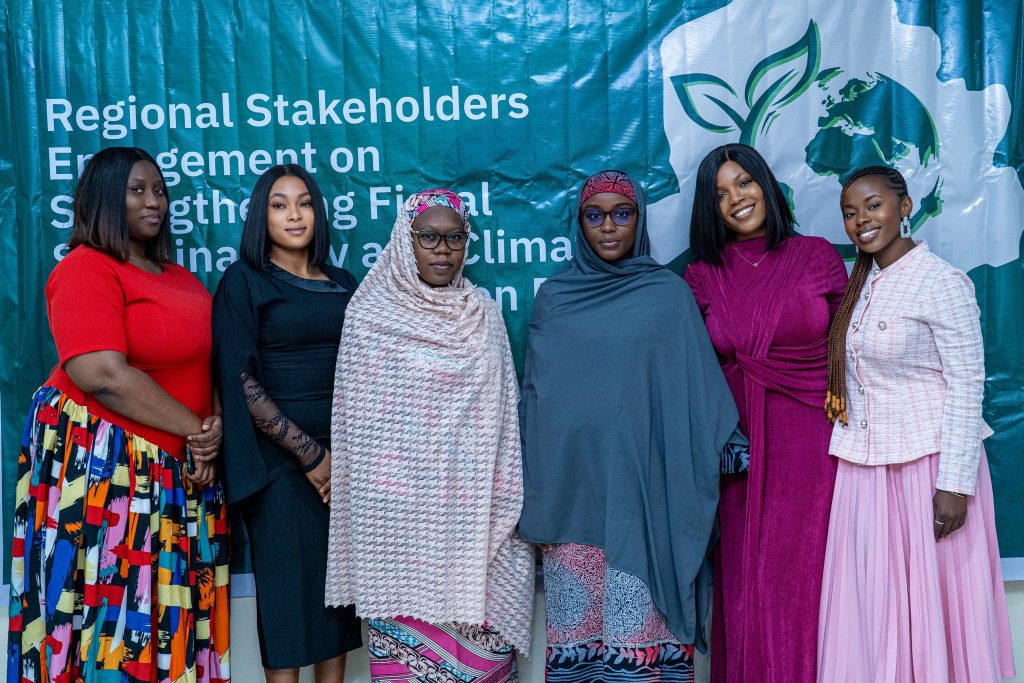
Organized by BudgIT Nigeria, in partnership with the Partnership for Advocacy and Civic Engagement (PACE), the stakeholder engagement focused on a critical shift in perspective: moving the climate conversation away from future promises and toward real-time financial accountability.
The event, titled “Strengthening Fiscal Sustainability and Climate Actions through Open Budget,” brought together civil society actors and public stakeholders to dissect the current state of climate finance. The consensus in the room was clear: the effectiveness of climate action is strictly tied to how money is planned, spent, and tracked.
Identifying the Gaps in Climate Finance
During the sessions, participants highlighted significant structural flaws that hinder environmental progress. A major point of concern was weak climate budget tagging, which makes it difficult to distinguish specific environmental spending from general overhead. This lack of clarity is further exacerbated by limited access to public information, creating a disconnect between legislative allocations and project implementation on the ground.
“We talk about climate action like it’s about the future when we should be asking where the money is going today,” as posted on X by BudgIT. “Real progress happens when budgets are open, systems are accountable, and citizens stay engaged.”
Experts also voiced alarms regarding Nigeria’s growing dependence on borrowing to fund climate initiatives. There is an urgent call to shift toward sustainable financing models that do not further burden the nation’s fiscal health while ensuring that every naira spent delivers tangible value for money.
A Roadmap for Fiscal Sustainability
The engagement concluded with a robust set of recommendations designed to overhaul the current system. Stakeholders urged the government to prioritize investment-focused climate spending over administrative costs and to strengthen early warning systems to better prepare for environmental disasters.
To ensure these changes take root, the forum emphasized the need for accessible feedback channels, allowing citizens to report on the status of projects in their communities. By increasing allocations for climate action and fostering stronger collaboration among civil society, the summit organizers believe Nigeria can move from mere environmental rhetoric to a transparent, results-driven climate strategy.
Share this


