
The Independent National Electoral Commission (INEC) has officially commenced the overhaul of Nigeria’s electoral framework, presenting the draft 2026 Regulations and Guidelines for Political Parties to stakeholders in the nation’s capital today.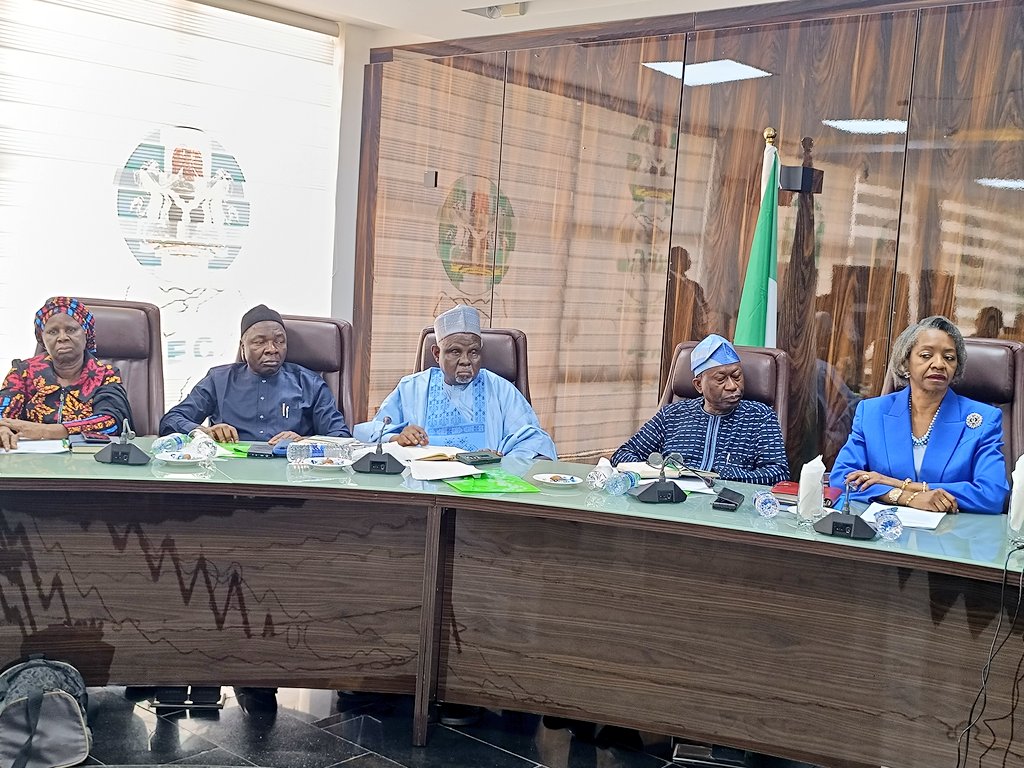
The consultative meeting marks a critical milestone as the Commission seeks to synchronize party operations with the recently enacted Electoral Act, 2026, ahead of the general elections scheduled for early next year.
A Surgical Approach to the 2027 Horizon
Addressing a gathering of party leaders, INEC Chairman Prof. Joash Amupitan emphasized that the 2022 framework had become obsolete in the face of new legal requirements and evolving democratic needs.
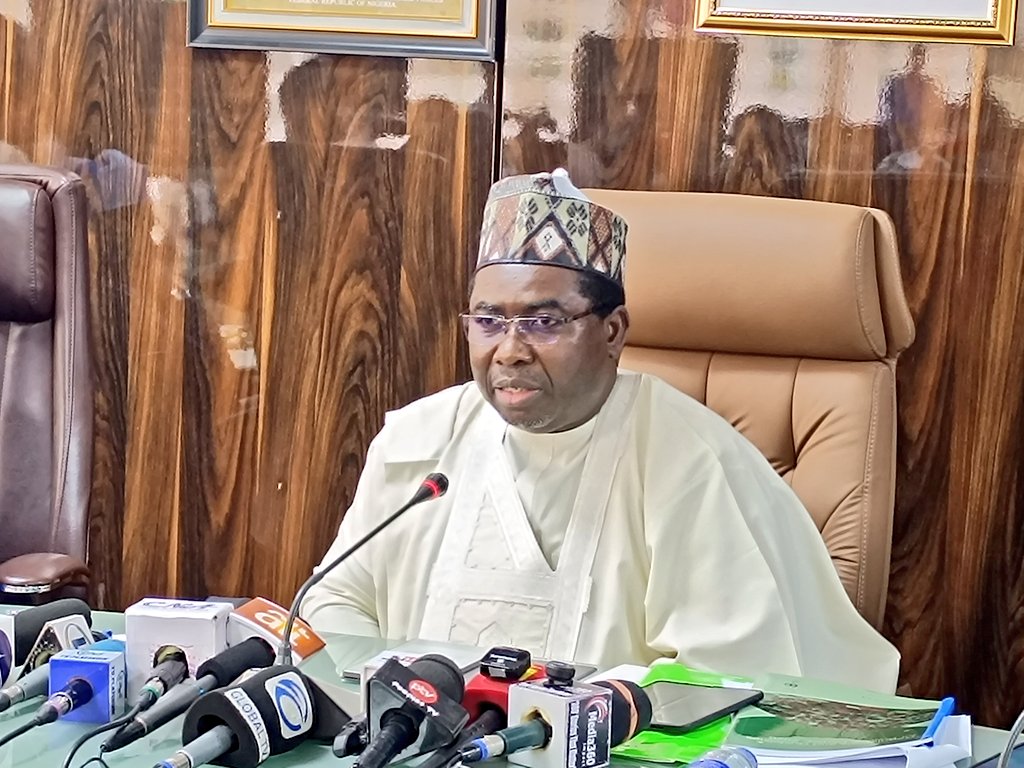
“We meet today not merely as regulators and political actors, but as joint custodians of Nigeria’s democratic future,” Prof. Amupitan stated. “The Commission has undertaken a rigorous technical retreat to reconstruct the 2022 Regulations. We cannot navigate a 2027 horizon using a 2022 map.”
The Chairman noted that the January 16, 2027, date for Presidential and National Assembly elections has created a compressed timeline, demanding what he termed surgical precision in planning. He specifically directed party leaders to scrutinize Clause 40(4) and (5) of the draft, which introduces stringent new financial regulations regarding party primaries and election spending.
Key Reforms and Inclusivity Benchmarks
The draft document represents a comprehensive manual for party administration, covering everything from registration and mergers to deregistration procedures. Significant highlights of the new guidelines which include financial accountability for determining election expenses in line with Section 93(2) of the Electoral Act, inclusivity mandates for the framework which incorporates measurable benchmarks designed to increase the active participation of women, youth, and Persons with Disabilities (PWDs), and technological integration for refined provisions for internal party operations and the conduct of primaries to ensure transparency.
Political Parties Seek Flexibility on Primaries
In response, the National Chairman of the Inter-Party Advisory Council (IPAC), Dr. Dantalle, praised the Commission’s inclusive approach but raised concerns regarding the autonomy of political institutions.
While affirming support for technological innovations and the electronic transmission of results, Dr. Dantalle urged the Commission to respect the internal processes of parties.
“There is a need for flexibility in the conduct of party primaries,” Dr. Dantalle argued, noting that while accountability is vital, the Commission must balance regulation with the operational realities of party management and membership registration.
The consultative process is expected to continue as parties review the draft, with a final version of the regulations anticipated to be gazetted later this year to guide the February 6, 2027, Governorship and State Assembly elections.
Share this


